 Save
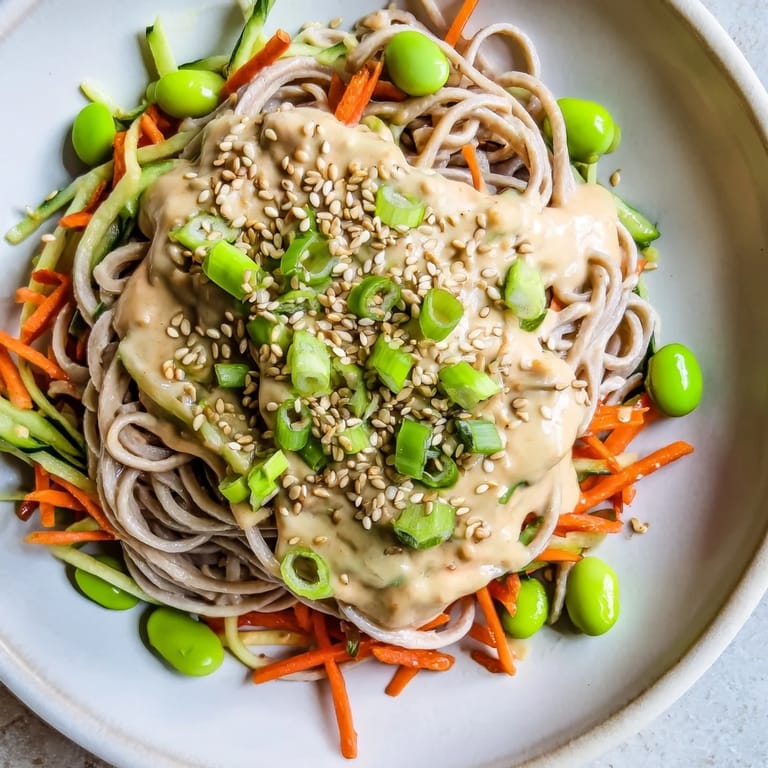
Save There's something about the hum of a pot of water coming to a boil on a lazy summer afternoon that makes me think of this noodle salad. I'd been standing in my kitchen, overwhelmed by the heat and the thought of cooking something warm, when my neighbor mentioned she'd made a cold sesame noodle dish that her kids actually devoured. That one comment changed everything—suddenly I wasn't fighting the season, I was working with it. The first time I made it, I burned the sesame oil slightly while toasting it, but the mistake turned into a secret weapon: that deeper, almost nutty flavor became the soul of the whole dish.
I made this for a potluck at my office where everyone brought something boring and beige, and I watched people come back for thirds. One coworker asked if it was from a restaurant, which felt like the highest compliment I could get. That's when I realized this dish does something special—it transforms simple ingredients into something that feels impressive and intentional without any fuss.
Ingredients
- 250 g soba noodles or thin spaghetti: Soba has this delicate, slightly nutty character that plays beautifully with sesame, but regular spaghetti works just as well if that's what you have on hand.
- 1 medium cucumber, julienned: The cool crunch is essential here; it's what keeps this salad from feeling heavy even though the dressing is rich.
- 2 medium carrots, julienned: Raw carrots add sweetness and texture, and they don't get soggy even if the salad sits in the fridge for a day.
- 1 cup edamame: These little green soybeans are packed with protein and give the salad substance without needing meat.
- 2 spring onions, thinly sliced: A fresh, sharp bite that wakes up every forkful.
- 2 tbsp toasted sesame seeds: Toast them yourself if you can—the difference between raw and toasted is genuinely profound.
- 3 tbsp tahini or toasted sesame paste: This is the backbone of the dressing; don't skip it or use a substitute.
- 2 tbsp soy sauce: Use tamari if you're avoiding gluten, and taste as you go because different brands have different salt levels.
- 1 tbsp rice vinegar: It's milder than regular vinegar, which keeps the dressing balanced and not aggressively sour.
- 1 tbsp toasted sesame oil: A tiny amount goes a long way; this ingredient is potent and costs more but makes the whole dish sing.
- 1 tbsp honey or maple syrup: The sweetness cuts through the sesame and balances the salty, tangy notes.
- 1 tsp grated fresh ginger: Fresh is non-negotiable here; ground ginger tastes flat and dusty by comparison.
- 1 clove garlic, finely minced: Raw garlic adds a sharp, living quality to the dressing that cooked garlic can't deliver.
Tired of Takeout? 🥡
Get 10 meals you can make faster than delivery arrives. Seriously.
One email. No spam. Unsubscribe anytime.
Instructions
- Boil the noodles until they're tender but still have a whisper of resistance:
- Follow the package time, but taste a strand a minute before it says you should. Once they're done, drain them quickly and run cold water over them while you gently toss with your fingers until they're completely cool; this stops them from cooking further and clumping together.
- Whisk the dressing like you're making something precious:
- Combine tahini, soy sauce, rice vinegar, sesame oil, honey, ginger, and garlic in a bowl, then add 2 tablespoons of water and whisk until smooth. If it's too thick to pour, add more water one tablespoon at a time—this dressing should coat the noodles like silk, not sit in a stiff blob.
- Toss everything together with intention:
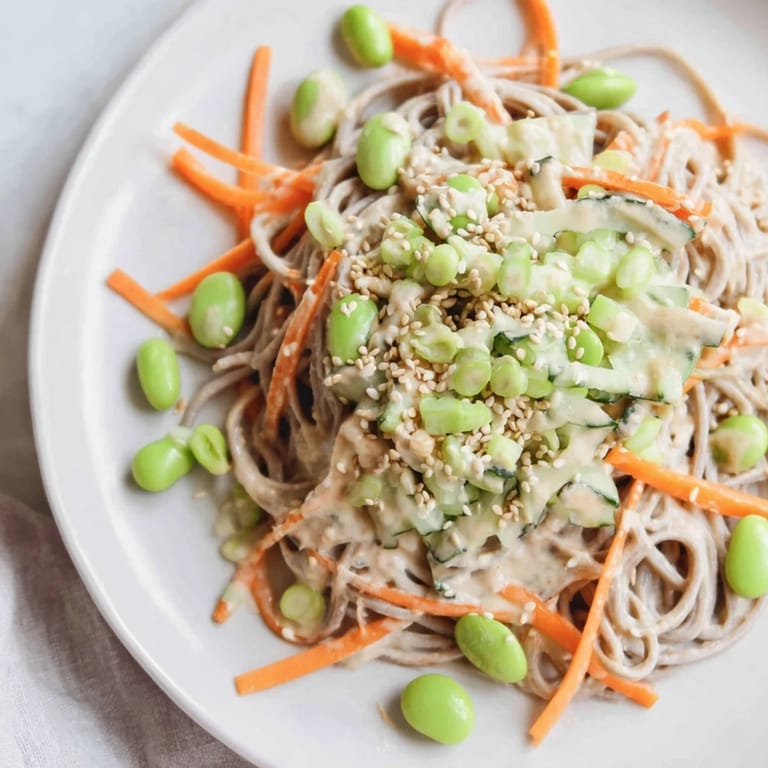
- Put the cooled noodles in a large bowl, pour the dressing over them, then add cucumber, carrots, and edamame. Use two utensils or your clean hands to toss gently but thoroughly, making sure every strand gets coated in that creamy, nutty dressing.
- Finish with the toppings that matter:
- Scatter spring onions and toasted sesame seeds on top just before serving, or add them a minute before if the salad will sit for a while. The sesame seeds stay crunchier this way.
- Let it chill and come together:
- Refrigerate for at least ten minutes—this gives the flavors time to get acquainted and makes every bite taste better. You can make this salad up to a day ahead; just store the sesame seeds separately so they don't turn soft.
 Save
Save I made this salad one evening when my partner came home exhausted from a long day, and he ate it standing up at the kitchen counter without saying much. Later he told me it was exactly what he needed—something cool and fresh and uncomplicated. That's when I understood that the best food doesn't have to impress; sometimes it just has to comfort you in a quiet way.
The Magic of Sesame
Sesame is one of those ingredients that transforms everything it touches. The dressing here relies on tahini and sesame oil, two forms of the same seed, and together they create a flavor that's creamy without any dairy and deeply satisfying. Once you taste how well sesame works in a cold dish, you'll start adding it to things you never thought needed it. The key is toasting your seeds fresh if you can and using oil that smells aromatic and alive, not stale.
Playing with Vegetables
The beauty of this salad is that it welcomes whatever vegetables are in season. I've made it with thinly sliced bell peppers, shredded cabbage, julienned zucchini, and even thin slices of raw beetroot when I was feeling adventurous. The only rule is to cut everything roughly the same size so the salad feels cohesive and not chaotic. Softer vegetables like tomatoes should be added just before serving so they don't release their liquid and dilute the dressing.
Making It Your Own
This recipe is more of a suggestion than a command. I've served it with shredded rotisserie chicken for guests who wanted more protein, stirred in some crispy chickpeas for crunch, and topped it with crushed peanuts for a completely different texture. The sesame dressing is forgiving enough that it works with almost any vegetable combination, and it's absolutely at home with tofu if you're leaning plant-based. Here's what makes it yours instead of mine:
- Add a teaspoon of sriracha or chili oil to the dressing if you want heat and smoke.
- Toss in some cooked shrimp or a handful of roasted cashews for richness and a completely different vibe.
- Finish with fresh basil or mint instead of cilantro if that's what tastes like home to you.
 Save
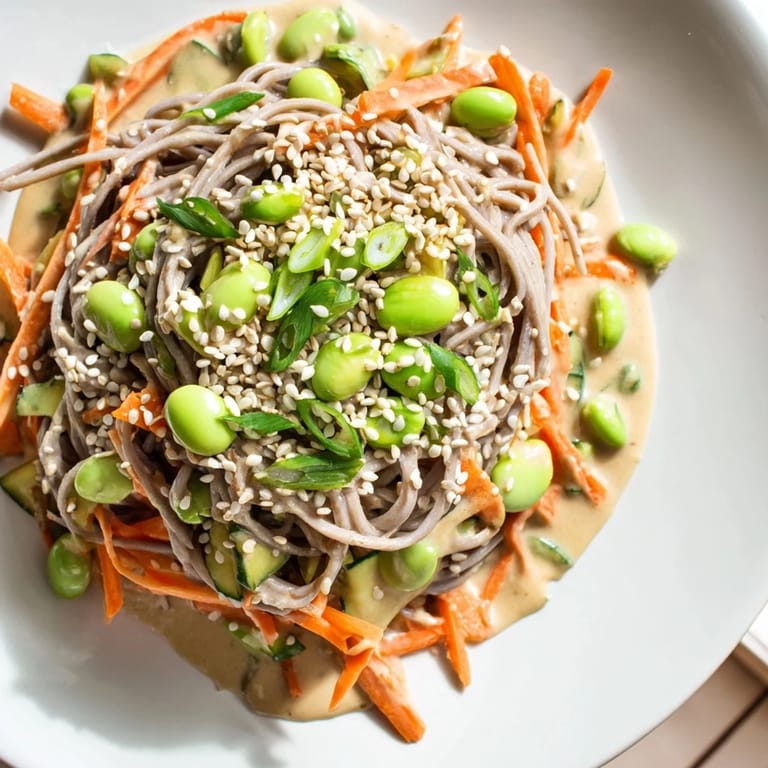
Save This salad has become my answer to the question of what to bring to a summer gathering, what to cook when it's too hot to think, and what to eat when you want something that tastes like care without requiring hours in the kitchen. Make it once and you'll understand why.
Recipe FAQs
- → What type of noodles work best for this dish?
Soba noodles or thin spaghetti are ideal; for gluten-free options, rice noodles can be used.
- → How can I adjust the dressing’s flavor?
Modify sweetness by adding more honey or maple syrup, and adjust acidity with extra rice vinegar to balance the creamy tahini base.
- → Can I add protein to this dish?
Yes, shredded chicken or tofu can be incorporated for additional protein alongside edamame.
- → What garnishes enhance the final dish?
Fresh herbs like cilantro or mint, crushed peanuts or cashews, and lime wedges complement the flavors well.
- → How long should the salad be chilled before serving?
Chilling for at least 10 minutes allows the dressing to meld and the flavors to develop fully.
- → Are there any allergen considerations?
Be aware of soy, sesame, and possible nut allergens in the ingredients; gluten may be present depending on noodle choice.