 Save
Save I discovered black currant sauce completely by accident one summer when a friend's garden was overflowing with these tiny, dark jewels. She handed me a colander and said, "Do something with these before they go bad," so I did what felt natural—tossed them in a pan with sugar and watched them transform into something glossy and alive. That first spoonful over vanilla ice cream was a revelation: tart enough to wake you up, sweet enough to feel like a treat, and the color so deep it looked almost black cherry at first glance. Now I make it whenever I want to turn something ordinary into something that tastes like you tried much harder than you actually did.
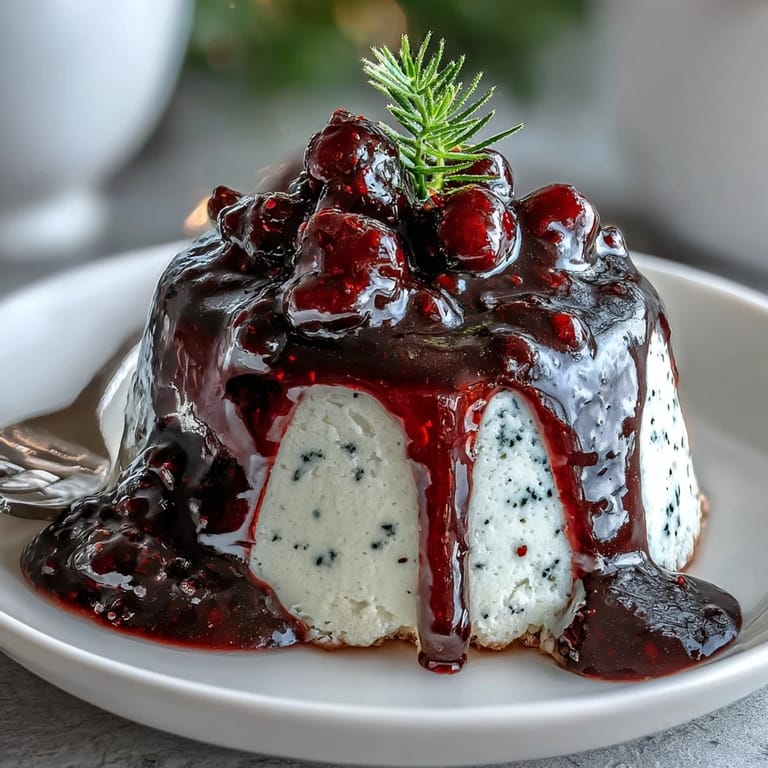
I'll never forget serving this over homemade cheesecake at a dinner party where someone had just complained that everything felt too sweet lately. One drizzle of this sauce changed the whole mood at the table—suddenly everyone was asking what was in it, how to make it, whether they could take some home. It was that moment I realized the best dishes aren't always the complicated ones; sometimes it's just knowing when tart and sweet need each other.
Ingredients
- Black currants: Fresh or frozen work equally well, and honestly frozen are often more flavorful since they're picked at peak ripeness—don't thaw them first, just let them break down in the heat.
- Granulated sugar: This is your balance point against the tartness; some batches of currants are more assertive than others, so taste as you go and adjust if needed.
- Water: Keeps everything from sticking and gives the currants room to release their juice without burning.
- Cornstarch: A tablespoon makes the difference between a thin juice and something that clings to the spoon with a luxurious sheen—totally optional but worth it if you want that restaurant-quality gloss.
- Lemon juice and vanilla: These aren't just flavor additions; they're the bridge that makes the tartness feel intentional instead of harsh.
Tired of Takeout? 🥡
Get 10 meals you can make faster than delivery arrives. Seriously.
One email. No spam. Unsubscribe anytime.
Instructions
- Combine and commit:
- Put your currants, sugar, and water into a small saucepan and give it all a gentle stir so the sugar starts waking up the fruit. You'll immediately smell that dark, almost bramble-like scent of black currants—that's how you know you're on the right track.
- Let them burst:
- Set the heat to medium and stir occasionally as everything comes to a gentle simmer. Watch for the moment when the currants start splitting open and releasing their juice, usually around 6 to 8 minutes—this is when the magic happens.
- Add gloss if you want it:
- If you're using cornstarch, whisk it with a tablespoon of cold water until there are no lumps, then stir it in smoothly. Keep simmering for just another minute until the whole thing goes from cloudy to glossy and thick enough to coat the back of a spoon.
- Finish and cool:
- Remove from heat, add your lemon juice and vanilla if you're using them, and let everything settle. If you want that silky, polished look, strain it through a fine sieve now; if you like texture and character, leave the skins and seeds in.
- Set it and serve it:
- Let it come to room temperature—it'll continue to thicken as it cools and will be perfect draped over whatever dessert is waiting.
 Save
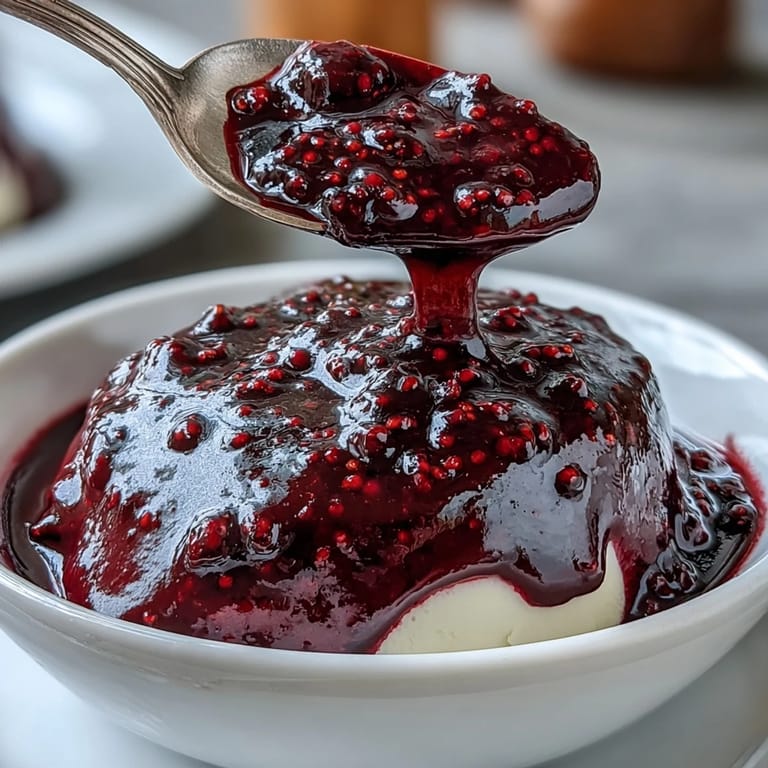
Save There's something about a sauce that looks this dramatic but comes together this easily that makes you feel like a real cook. I remember my niece asking if I'd made it professionally, and the truth that it took ten minutes somehow made her more impressed, not less.
Texture Matters More Than You Think
The choice between straining and not straining is more important than the recipe suggests. Strained sauce feels elegant and polished, almost like something you'd get at a fancy restaurant, while unstrained sauce has personality and tells you exactly what went into it—some people find that honesty more appealing. I've made it both ways depending on what I'm topping and who I'm serving, and neither version is wrong.
Frozen Currants Are a Quiet Superpower
Fresh black currants are increasingly hard to find outside of specialty markets, but frozen ones are usually easier to source and actually work better here because they've already been broken down by freezing, so they release their juice and flavor faster. You don't need to thaw them; just add them straight from the bag to the pan and they'll soften as everything heats. The color stays just as brilliant, and you'll get the same glossy result with less fussing.
Storage and Keeping
This sauce keeps beautifully in the refrigerator for up to a week in an airtight container, and it actually gets better as it sits because the flavors meld and mellow slightly. You can also freeze it for up to three months, though the texture might be slightly looser when it thaws—just reheat gently and it comes right back to life. Warm it just enough to loosen it before serving, or serve it cold straight from the fridge depending on what you're topping.
- Make it ahead of time so you can focus on the dessert itself rather than juggling multiple things at the last minute.
- Try it with raspberries or blackberries if you ever can't find black currants—adjust the sugar based on tartness.
- Keep it on hand for the moments when something needs just that one final touch of elegance.
 Save
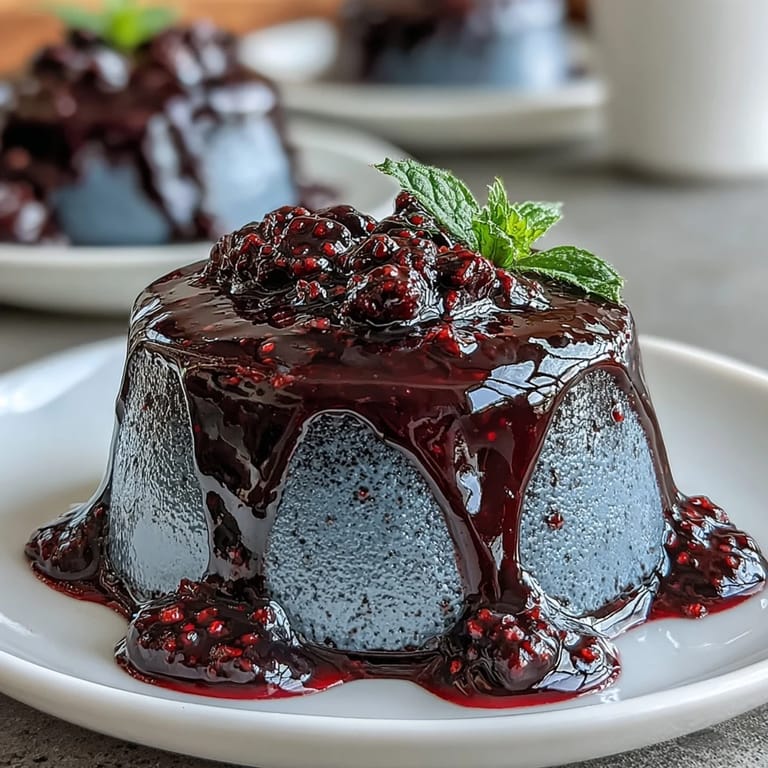
Save Black currant sauce is proof that the most memorable things don't need to be complicated; they just need to taste like someone cared. Keep this in your back pocket for whenever ordinary dessert needs to become the thing people remember.
Recipe FAQs
- → Can I use frozen black currants instead of fresh?
Yes, frozen black currants work perfectly in this sauce. There's no need to thaw them first—simply add them directly to the saucepan. You may need to cook for an extra minute or two to break them down completely.
- → How long does the sauce keep in the refrigerator?
When stored in an airtight container in the refrigerator, this sauce will stay fresh for up to one week. The flavors may even deepen slightly after a day or two.
- → What desserts pair best with black currant sauce?
The tartness of black currants complements creamy, rich desserts beautifully. Try it drizzled over cheesecake, panna cotta, vanilla ice cream, crème brûlée, or folded into whipped cream for a mousse topping.
- → Is straining the sauce necessary?
Straining is optional and depends on your preference. For a silky, smooth consistency without seeds or skins, strain through a fine mesh sieve. For a rustic texture with more fiber and visual interest, skip this step.
- → Can I reduce the amount of sugar?
Absolutely. Adjust the sugar based on the natural tartness of your currants and your personal taste preferences. Start with less, taste after simmering, and add more if needed.
- → Will this sauce work with other berries?
This method works wonderfully with raspberries, blackberries, blueberries, or a mixed berry blend. You may need to slightly adjust the sugar depending on the natural sweetness of the fruit you choose.