 Save
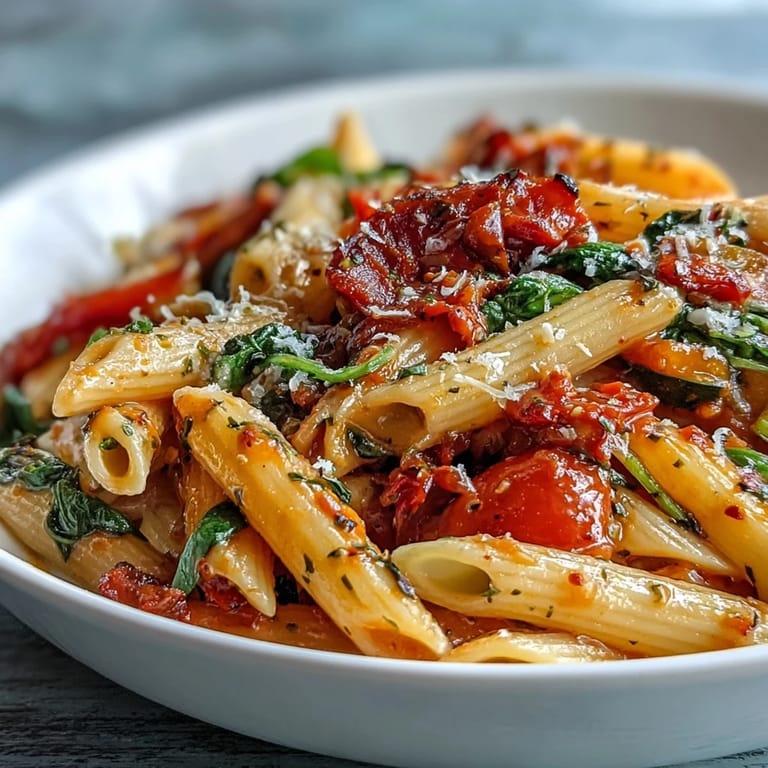
Save There's something almost magical about watching a single pot transform into a complete dinner, especially on those nights when the kitchen feels too small and my energy even smaller. I stumbled onto this one-pot pasta method during a particularly chaotic Tuesday when I'd forgotten to plan dinner, had maybe three ingredients I could reliably find, and absolutely zero motivation to stand over multiple burners. What started as desperation turned into my go-to recipe—the kind that's become so familiar I could make it half-asleep, yet somehow tastes different and better every time I pay attention to what's happening in that pot.
I made this for my neighbor last spring when she'd just moved in, and I wanted to bring something warm but not overly fussy—something that said hello without making a production of it. She ate it standing in her kitchen, still surrounded by boxes, and told me it tasted like what comfort feels like. We've been friends ever since, and she's asked for this recipe at least four times, which I think means it works.
Ingredients
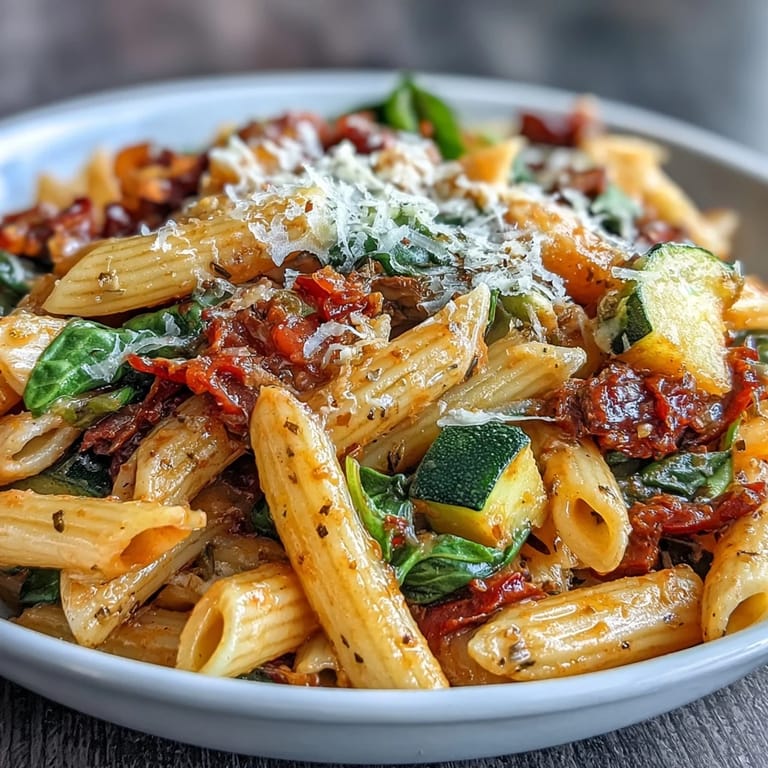
- Dried penne or fusilli (350 g): The shape matters slightly—tubes or spirals catch the sauce better than long noodles, and they soften evenly in the broth without turning to mush if you're not hovering anxiously.
- Medium onion, finely chopped: This is your flavor foundation, so don't skip the mincing step; it helps the onion disappear into the broth and season everything from the inside out.
- Garlic cloves, minced (2): Fresh garlic makes an enormous difference here—the aromatics that rise from the pot in those first minutes set the entire tone.
- Medium zucchini, diced: It softens beautifully in the broth and adds substance without overpowering the dish; choose one that's still firm to the touch.
- Red bell pepper, diced: The sweetness balances the acidity of the tomatoes, and the color makes the whole thing look intentional rather than thrown together.
- Canned diced tomatoes (400 g, with juices): Don't drain them—those juices are part of your sauce, and they prevent everything from drying out.
- Baby spinach (100 g): This wilts in at the very end, adding iron and greenery without requiring any real effort; frozen works too if you thaw it first.
- Vegetable broth (700 ml): This is what turns separate ingredients into something cohesive, so use the real thing if you can—bouillon cubes work in a pinch, but the difference is noticeable.
- Grated Parmesan cheese (60 g): The nuttiness rounds out the flavors and emulsifies slightly into the sauce; grate it yourself if possible, as pre-grated tends to be a bit dusty.
- Olive oil (2 tbsp): Use something you'd actually eat plain; this isn't the place to use up the bottle lurking in the back of your cabinet.
- Dried Italian herbs (1 tsp): A blend works, or you can use oregano and basil separately if you're particular about such things.
- Chili flakes (½ tsp, optional): A whisper of heat that doesn't announce itself but adds depth; leave it out if your dinner guests are sensitive to spice.
- Salt and black pepper to taste: Taste as you go here, since broth saltiness varies wildly between brands.
Tired of Takeout? 🥡
Get 10 meals you can make faster than delivery arrives. Seriously.
One email. No spam. Unsubscribe anytime.
Instructions
- Bloom the aromatics:
- Heat your olive oil in a large pot over medium heat until it shimmers slightly, then add the chopped onion and minced garlic. Let them soften for 2 to 3 minutes, stirring occasionally, until the kitchen smells like someone who knows what they're doing is cooking dinner. You'll know it's ready when the onion turns translucent and the garlic releases that mellow, golden aroma.
- Introduce the vegetables:
- Stir in the diced zucchini and bell pepper, letting them hang out in the hot oil for another 2 to 3 minutes. They won't be anywhere near cooked yet, but they'll start to soften at the edges and release their own flavors into the base you're building.
- Combine everything:
- Pour in the uncooked pasta, canned tomatoes with all their juice, and the vegetable broth. Sprinkle over the Italian herbs, chili flakes if using, a good pinch of salt, and several grinds of black pepper. Stir everything together thoroughly so the pasta doesn't stick to itself, then let it all come to a boil—you'll see the liquid start to bubble urgently at the edges.
- Let it simmer gently:
- Once it's boiling, reduce the heat to medium-low, place a lid on the pot, and let it cook for 10 to 12 minutes, stirring every couple of minutes to prevent sticking and ensure even cooking. The pasta will absorb the broth as it cooks, and the vegetables will soften into the sauce until everything feels unified and complete.
- Finish with spinach and cheese:
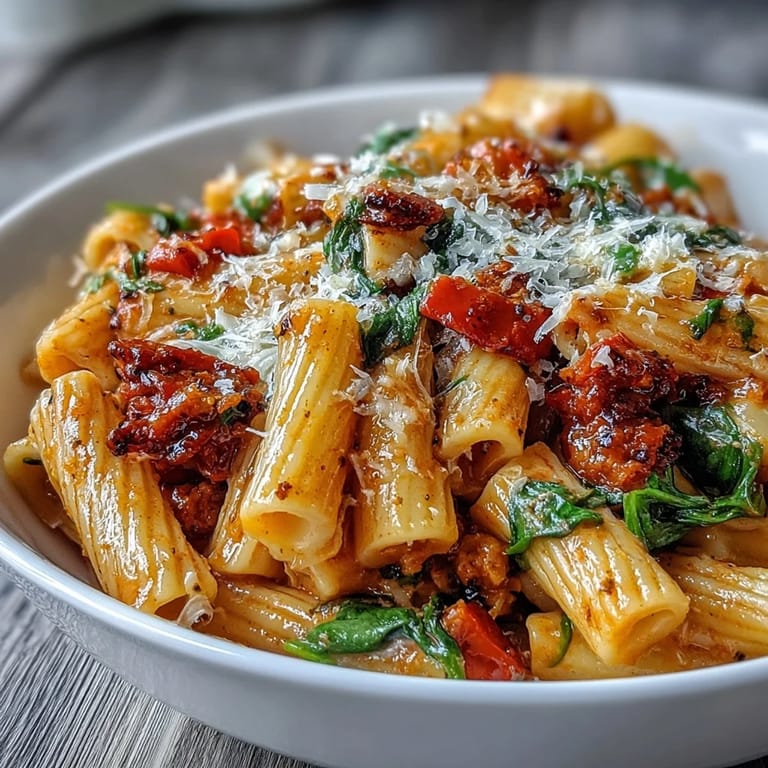
- Remove the lid, scatter the baby spinach over the top, and sprinkle the grated Parmesan directly onto the spinach. Stir gently for 1 to 2 minutes until the spinach wilts into vibrant ribbons and the cheese melts into creamy pockets throughout the dish. The residual heat should be enough to do both without any additional cooking.
- Taste and adjust:
- Take a spoonful and taste it thoughtfully—does it need more salt, more pepper, a whisper more chili? This is your moment to make it exactly how you like it, because no two pots are quite the same.
 Save
Save There was an evening last winter when my roommate came home completely defeated by their day, and I had this bubbling away on the stove. The smell alone seemed to soften something in them, and halfway through eating, they told me that this was the first meal in weeks that felt like someone was taking care of them. That's when I realized this recipe isn't really about being budget-friendly or quick, though those are lovely bonuses—it's about the generosity of putting something warm and genuine in front of someone who needs it.
Flexibility and Variations
This recipe is genuinely forgiving, which is partly why I keep coming back to it. If you don't have zucchini, mushrooms work beautifully and add an earthy undertone that deepens the whole dish. Peas bring sweetness, carrots add a subtle crunch, and honestly, I've thrown in whatever vegetables were lurking in my crisper drawer and felt genuinely surprised by how well they integrate. The broth is flexible too—chicken broth gives it a different flavor profile, though it loses the vegetarian angle, and I've even used water with extra salt in a pinch.
Making It More Substantial
If this is your main event and you want it to feel more filling, you have several elegant options that don't require much thought. Sliced cooked sausage stirred in at the end gives it richness without changing the cooking process at all. Shredded rotisserie chicken from the grocery store works if you're short on time or cooking energy. Canned white beans or chickpeas add protein and substance, and interestingly, they don't require any advance cooking because they're already tender.
The Practical Side
I've learned that serving this immediately, while it's still steaming and the cheese is actively melting, makes all the difference in how satisfying it feels to eat. If you need to make it ahead, I'd suggest cooking it about three-quarters of the way through—stopping before you add the spinach and Parmesan—then finishing it on the stovetop when you're ready to serve. Cold leftovers are surprisingly good tossed with extra olive oil and eaten at room temperature, like a loose pasta salad, though the first bowl hot from the pot is always the best version.
- Always have extra Parmesan at the table because people will want more, and they should be allowed to make that choice.
- A simple green salad and crusty bread on the side transforms this from a weeknight dinner into something that feels intentional and complete.
- If you're feeding people who are gluten-free or dairy-free, the substitutions are straightforward and don't compromise the result.
 Save
Save This recipe has become my quiet proof that feeding yourself and others well doesn't require complexity or expense, just intention and the willingness to show up with something warm. Make it for yourself on a hard day, or make it for someone else when you want to say something you're not quite sure how to speak aloud.
Recipe FAQs
- → Can I use gluten-free pasta in this dish?
Yes, gluten-free pasta can be used as a substitute to accommodate dietary preferences without altering the cooking process.
- → What vegetables work best for this one-pot pasta?
Onion, zucchini, bell pepper, and baby spinach provide great flavor and texture, but you can swap in mushrooms, peas, or carrots as desired.
- → How do I ensure the pasta cooks evenly in one pot?
Stir occasionally during simmering and use enough liquid to cover the pasta, allowing it to cook al dente and absorb flavors evenly.
- → Can I make this dish vegan?
Omit the Parmesan cheese or replace it with a plant-based alternative to keep the dish fully vegan while retaining creaminess.
- → Is it possible to add protein to this pasta?
Yes, adding cooked sausage, shredded chicken, or canned beans enhances the protein content and makes the dish heartier.