 Save
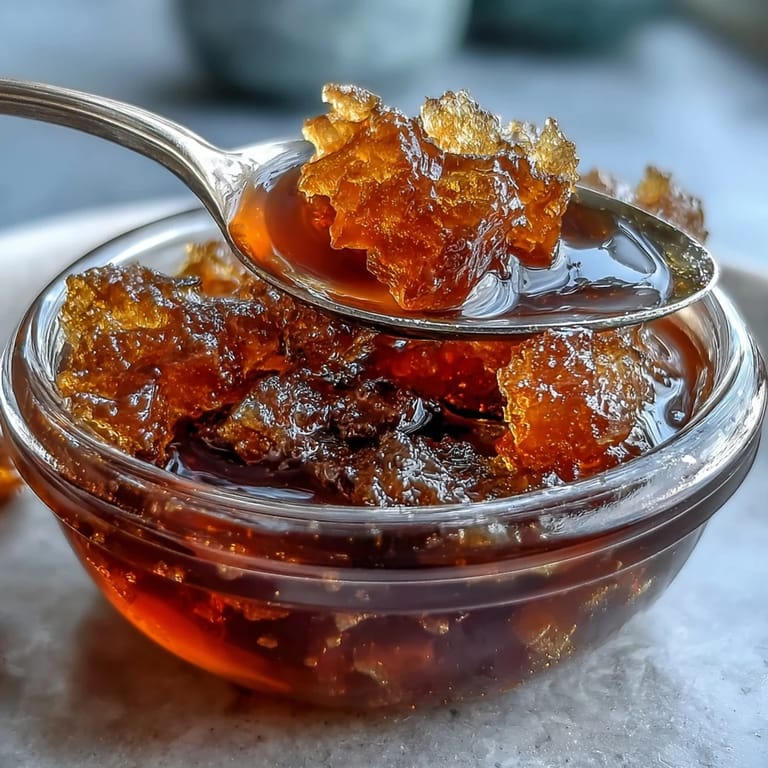
Save Last spring, I wandered through an overgrown corner of my neighborhood and noticed dandelions everywhere—those sunny yellow flowers most people treat as weeds. A friend mentioned she made jelly from them, and something about that stuck with me. A few weeks later, I found myself on my knees with scissors, carefully harvesting petals on a warm afternoon, feeling slightly ridiculous but oddly purposeful. That first batch of dandelion jelly taught me that the best recipes often hide in plain sight, waiting for curiosity to find them.
I brought three jars of this jelly to a potluck last year, and honestly, I underestimated how people would react. Someone spread it on a cracker with goat cheese and stopped mid-conversation, just savoring the moment. That's when I realized this wasn't just jam—it was proof that paying attention to the world around you, even something as ordinary as a lawn, could create something memorable. Now friends ask me every spring if I'm making more.
Ingredients
- Dandelion petals (2 cups, yellow parts only): The heart of this recipe—only use the bright yellow petals from pesticide-free areas, as the green sepals underneath taste bitter and will spoil your jelly. Pick them on a dry day if you can, and work quickly through them with gentle hands.
- Water (4 cups): This becomes your infusion base, so use filtered water if your tap water is heavily chlorinated—it genuinely makes a difference in the final flavor.
- Lemon juice (2 tablespoons, freshly squeezed): Never skip this or use bottled; fresh lemon brings brightness that cuts through the floral sweetness and helps the jelly set properly.
- Powdered fruit pectin (1 package, 1.75 oz): This is what transforms your dandelion infusion into actual jelly rather than syrup—read the package instructions carefully, as some pectins require different ratios.
- Granulated sugar (4 cups): The preservative and sweetener that brings everything together; measure it accurately or your jelly won't set.
Tired of Takeout? 🥡
Get 10 meals you can make faster than delivery arrives. Seriously.
One email. No spam. Unsubscribe anytime.
Instructions
- Strip and rinse your dandelion petals:
- Pull away every bit of green—the sepals, the stems, everything—because even a little bitterness will linger in your finished jelly. Rinse gently in cool water while you work, letting insects crawl away rather than drowning them.
- Steep the petals to draw out their essence:
- Boil the water, add your clean petals, let it bubble for exactly 5 minutes, then cover and walk away. This is where patience pays off—the longer it sits (up to overnight), the more golden and floral your infusion becomes.
- Strain and measure your liquid carefully:
- Pour everything through fine mesh or cheesecloth into a bowl, then gently press the petals to coax out every drop of flavor—but don't squeeze hard or you'll extract bitter compounds. You need about 3½ to 4 cups for the jelly to set properly.
- Combine your infusion with lemon and pectin:
- In a large pot, stir the dandelion liquid with fresh lemon juice and pectin until the pectin dissolves completely, about a minute of stirring. Bring it to a rolling boil—the kind where large bubbles form across the entire surface.
- Add sugar and boil hard:
- Pour all your sugar in at once while stirring constantly, then let it reach a rolling boil again and hold it there for 1 to 2 minutes. Use a candy thermometer to check for 220°F, or use the plate test—drop a tiny bit on a cold plate and push it with your finger; if it wrinkles, it's set.
- Finish and preserve:
- Skim off any foam that rose to the surface, then ladle the hot jelly into sterilized jars leaving ¼-inch headspace at the top. Wipe rims, seal with lids, and process in a boiling water bath for 10 minutes, then let them cool undisturbed for at least 12 hours before checking seals.
 Save
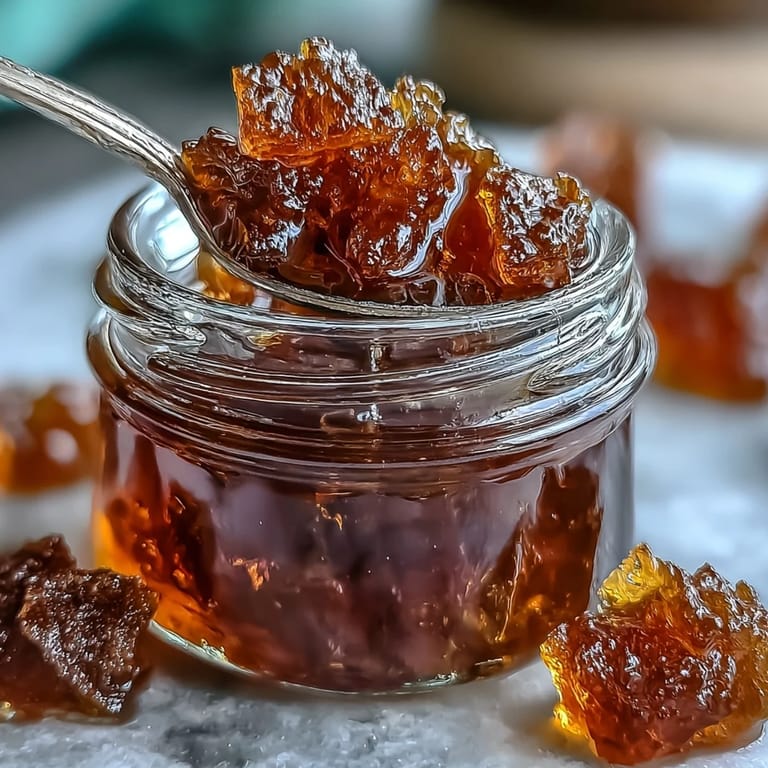
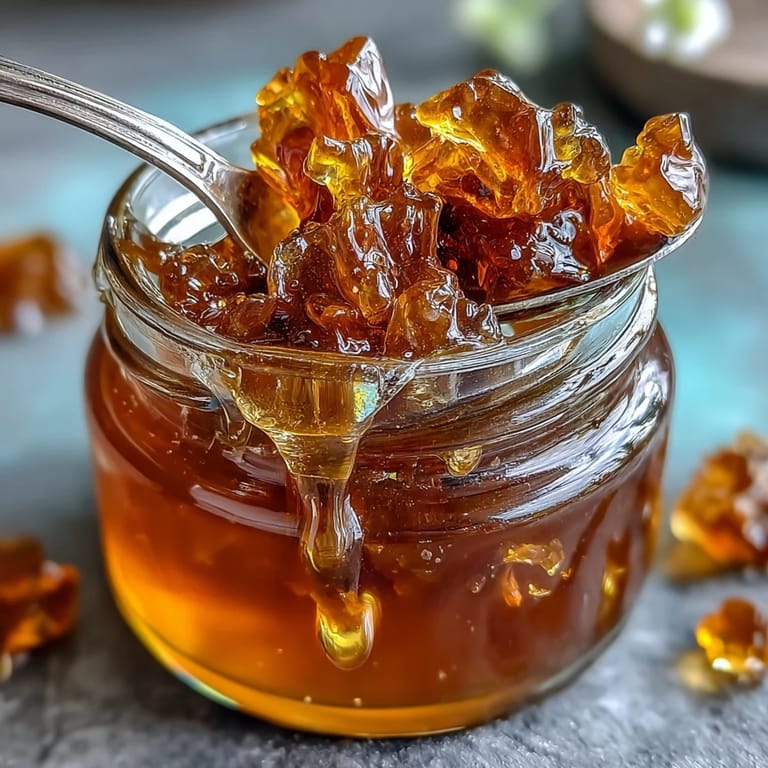
Save The moment a jar of this jelly sets perfectly, watching it go from liquid to solid as it cools, feels like small-scale magic. I keep one jar on my kitchen shelf just to look at it—that deep golden color against the light reminds me that good things sometimes grow where nobody's looking.
Foraging with Intention
Foraging for dandelions forces you to slow down and actually see your surroundings. I've discovered that the best flowers grow in sunny patches where the soil is rich, usually near fence lines or in the edges of yards people have mostly ignored. The act of harvesting petals one by one teaches patience in a way that standing in a grocery store checkout line never does. Once you start this, you begin noticing other plants too—how many edible things we walk past without thinking.
The Science of Jelly Setting
Jelly is essentially sugar and fruit juice held together by pectin, a natural thickener in fruit that needs acid and heat to activate properly. The lemon juice does two jobs here—it adds brightness and creates the acidic environment pectin needs to work. If your jelly doesn't set, it's almost always because one of these three things failed: the boil wasn't hot enough, the pectin didn't fully dissolve, or the ratio of sugar to liquid was off. Understanding this takes the mystery out of the process and gives you confidence to troubleshoot if something goes wrong.
Beyond Toast
This jelly deserves more than just morning toast, though it's perfect there with butter melting into every crevice. Dollop it onto sharp cheddar or aged gouda on a cheese board—the floral sweetness balances umami beautifully. Brush it onto finished cakes as a glaze, stir a spoonful into Greek yogurt, or serve it alongside duck or pork where it cuts through richness with elegance. One person I know swirls it into vanilla ice cream right before it freezes, creating a rippled effect that looks like sunset in a bowl. The dandelion-citrus combination opens doors you might not expect from something that started as a lawn weed.
- For a citrusy version, add orange zest or even a teaspoon of rose water if you want something more exotic.
- If your jelly turns out softer than you'd like, it's still delicious as a syrup for pancakes or drizzled over ice cream.
- Store sealed jars in a cool dark place and they'll keep for at least a year, though the color will fade slightly over time.
 Save
Save Making dandelion jelly transformed how I see spring; now when I pass a sunny yard full of yellow flowers, I see possibility instead of weeds. Share this with someone who appreciates the small, unexpected things in life.
Recipe FAQs
- → How do I prepare dandelion petals for this spread?
Only use the yellow petals, removing any green sepals and stems to avoid bitterness. Rinse gently to clean before steeping.
- → Can I adjust sweetness levels in the floral spread?
Yes, reducing sugar slightly and using low-sugar pectin can create a less sweet, more balanced flavor.
- → What is the purpose of steeping the petals?
Steeping extracts the delicate floral aroma and flavor from the petals, essential for the spread’s signature taste.
- → How should the jars be processed for preservation?
Fill sterilized jars with the hot jelly, leaving headspace, seal, and process in a boiling water bath for 10 minutes.
- → Can I add citrus flavors to this spread?
Adding orange zest along with lemon juice adds a bright citrus twist that complements the floral notes.
- → Is this spread suitable for special diets?
Yes, it is vegan and gluten-free, made from natural, plant-based ingredients.