 Save
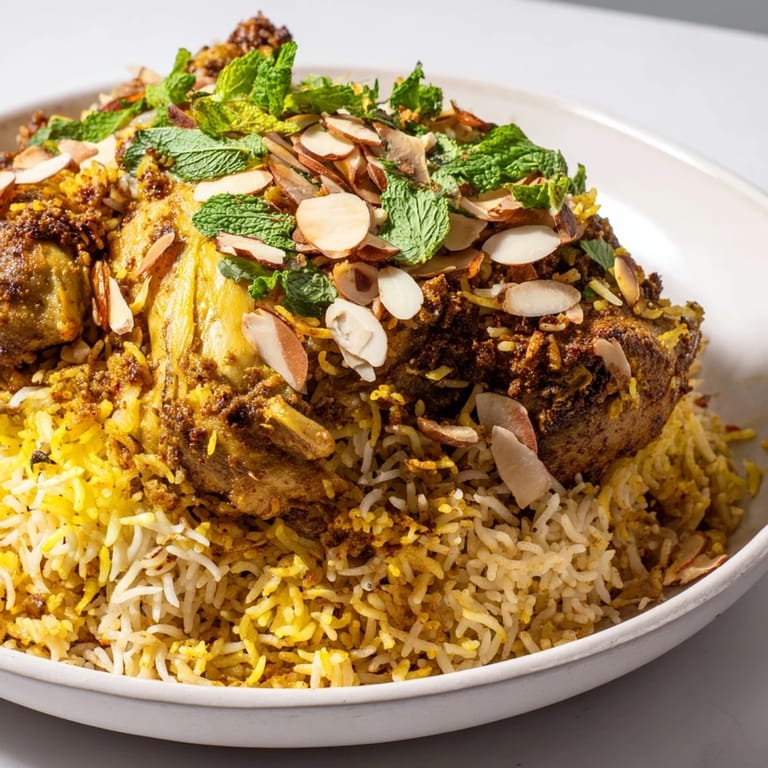
Save The first time I made Kuwaiti biryani, the aroma alone stopped my family in their tracks. I'd watched my neighbor prepare it for a family gathering, and she shared her technique with such pride that I knew I had to try it myself. That evening, layering the fragrant rice and tender meat in my Dutch oven felt like I was building something sacred, something that would fill the kitchen with memory and warmth for hours.
I remember the day I brought this to a potluck and someone asked for the recipe before even finishing their plate. There's something about biryani that makes people slow down, close their eyes for a moment, and truly taste their food. It became the dish I made whenever I wanted to show someone I cared.
Ingredients
- Bone-in chicken or lamb (900 g): The bones add deep flavor and richness during cooking, and serving pieces stay more tender than boneless cuts.
- Plain yogurt (1 cup): This is your tenderizer and flavor carrier, so use full-fat yogurt if you can find it.
- Ginger-garlic paste (1 tbsp): Fresh is always better than jarred; I learned this the hard way when a batch tasted oddly metallic.
- Ground spices (turmeric, cumin, coriander, chili powder, garam masala): Buy them whole and grind if possible, but make sure they're no older than six months for the brightest color and flavor.
- Basmati rice (3 cups): The long grains stay separate and don't turn mushy, which is everything in biryani.
- Ghee (5 tbsp total): This is the soul of the dish; clarified butter carries all those spice flavors in a way oil simply cannot.
- Whole spices for rice (cloves, cardamom, cinnamon, bay leaf): These steep into the rice and create subtle layers of flavor that you'll taste in every bite.
- Caramelized onions (2 large): Golden brown takes patience, but that's where the sweetness and depth come from.
- Fresh herbs (coriander and mint): Chop them just before layering; they lose their brightness quickly once cut.
- Saffron threads (pinch soaked in 3 tbsp milk): This is not a place to skimp; cheap saffron tastes like hay and won't give you that gorgeous color.
- Toasted nuts and raisins: Toasting the nuts yourself for just two minutes in a dry pan makes them taste alive instead of flat.
Tired of Takeout? 🥡
Get 10 meals you can make faster than delivery arrives. Seriously.
One email. No spam. Unsubscribe anytime.
Instructions
- Build your marinade, then trust the time:
- Mix the yogurt, lemon juice, ginger-garlic paste, and all your spices into a paste that smells almost spicy enough to make you sneeze. Add the meat and massage it gently until everything clings to each piece. I usually let it sit overnight in the fridge because the flavors need time to sink in.
- Rinse and soak the rice with intention:
- Run cold water through the rice until it runs completely clear, which removes the starch that would make it gluey. Soaking it for thirty minutes helps each grain stay separate during cooking.
- Par-cook the rice to just tender:
- Boil the soaked rice with the whole spices for only six to seven minutes, until you can pinch a grain and it gives way but still has a tiny firm center. This is the trickiest part because if you overcook it now, the final bake will turn everything to mush.
- Preheat your oven and prepare your vessel:
- Set the oven to 180°C and use an ovenproof Dutch oven with a tight-fitting lid. This is where the magic happens, so make sure nothing steams away.
- Caramelize your onions until they sing:
- Heat the ghee over medium heat and add the thin onion slices, stirring often. After about twelve to fifteen minutes, they'll turn deep golden and smell like caramel. This step changes everything.
- Sear the marinated meat gently:
- Add the meat to the pot with the remaining onions and let it brown for five to seven minutes without stirring too much. Then cover and simmer on low for twenty to twenty-five minutes if using chicken, or thirty-five to forty if using lamb, until the meat is tender and starting to fall from the bone.
- Layer with intention and reverence:
- Sprinkle half the herbs, raisins, and toasted nuts over the meat. Lay half the par-cooked rice gently over this, then add the remaining herbs, raisins, and nuts, and finally the rest of the rice on top. This creates pockets of flavor throughout.
- Crown it with saffron and butter:
- Drizzle the golden saffron milk (which will have turned pale and infused) evenly over the top layer of rice. Dot with ghee or butter so it melts down through the layers as it bakes.
- Seal, bake, and be patient:
- Cover the pot tightly with foil first, then place the lid on top. This seal is crucial. Bake for thirty to thirty-five minutes until the rice is fully tender and the saffron aroma is almost overwhelming.
- Rest and fluff with a gentle hand:
- Let it sit covered for ten minutes after removing from the oven. This stops the cooking and lets flavors settle. Then use a fork to gently fluff, being careful not to break the rice grains.
 Save
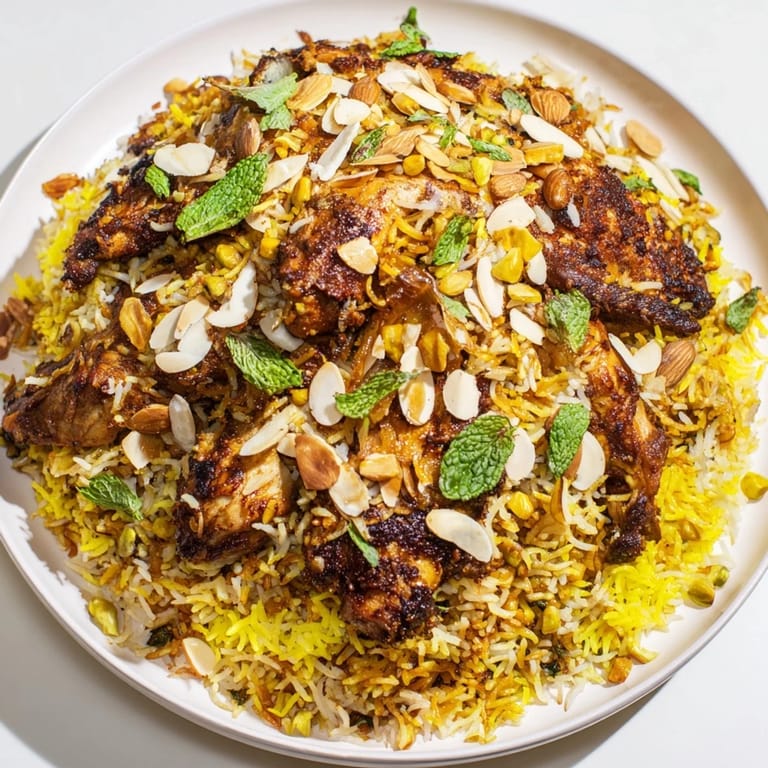
Save There was an afternoon when my daughter stood beside me watching the foil come off the pot, and the steam rose up like something sacred. She said it smelled like the world's best hug, and I realized that's exactly what this dish is.
The Art of Layering
Biryani is really a meditation on balance and layers. Each component has its own moment to shine, but together they create something greater than the sum of their parts. I learned to think of it less like recipe-following and more like composing a dish where the bottom notes are the tender meat and caramelized onions, the middle layers are fragrant rice and herbs, and the top notes are saffron and toasted nuts. When you respect that structure, every forkful tastes different depending on what you've gathered.
Why Ghee Makes All the Difference
Ghee isn't just a cooking fat in biryani; it's a flavor delivery system that oil can never quite replicate. The milk solids in ghee brown slightly during cooking, creating this nutty undertone that carries all those spices deeper into the rice and meat. I once tried making it with regular butter and could taste the difference immediately. Now I always keep ghee on hand, and a little goes such a long way that a jar lasts for many meals.
Serving and Storing Your Biryani
Serve the biryani directly from the pot at the table, where everyone can see those gorgeous layers. A simple raita or cucumber-yogurt salad alongside cuts through the richness perfectly. For leftovers, store the biryani in an airtight container in the refrigerator for up to four days; it actually deepens in flavor. To reheat, add a splash of water, cover tightly, and warm gently on the stovetop over low heat or in a 160°C oven for about fifteen minutes.
- The fried onions garnish goes on just before serving so they stay crispy and don't get soggy.
- If making this for a vegetarian crowd, marinated paneer or mixed vegetables layered the same way create just as much magic.
- A few drops of rose water stirred into the saffron milk adds an elegant floral note that makes people ask what that mysterious something is.
 Save
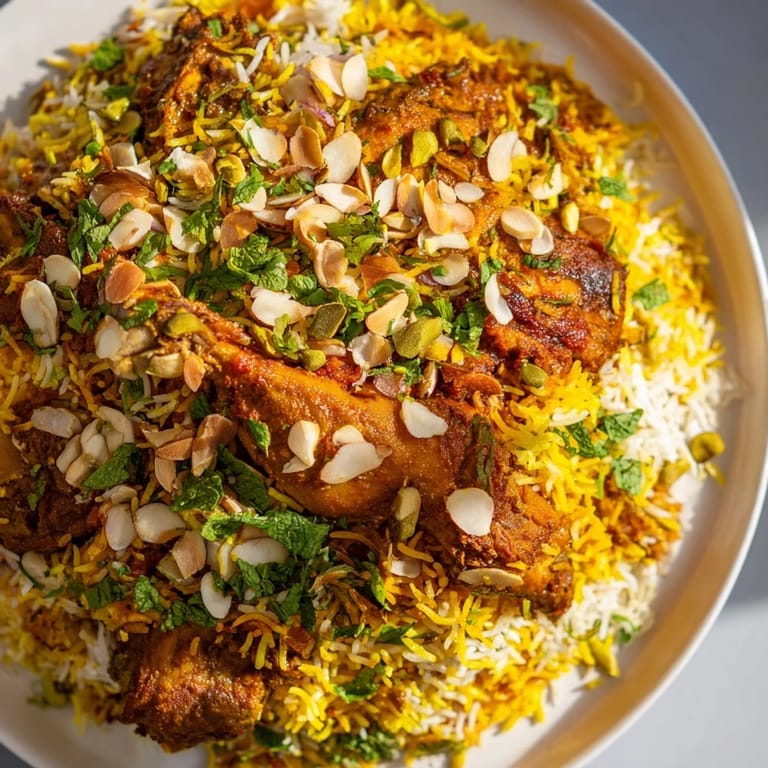
Save This biryani has become the dish I make when I want to remind myself and everyone around me that food is love, that time spent cooking matters, and that the simplest ingredients treated with care and respect can become something unforgettable. Make it, share it, and watch people slow down.
Recipe FAQs
- → What type of meat works best for this dish?
Bone-in chicken or lamb pieces are ideal, as they stay moist and absorb the marinade well during cooking.
- → Can I use a different type of rice?
Basmati rice is preferred for its long grains and fragrant aroma, helping create perfect fluffy layers.
- → How should the saffron be prepared?
Soak a pinch of saffron threads in warm milk before drizzling it over the rice to enhance color and flavor.
- → What are good alternatives to nuts if allergic?
Omitting nuts altogether or substituting with toasted seeds like pumpkin or sunflower can maintain texture without allergens.
- → Is there a suggested side to complement this dish?
Fresh yogurt-based sides like raita or cucumber salad pair well, balancing the rich and spicy layers.