 Save
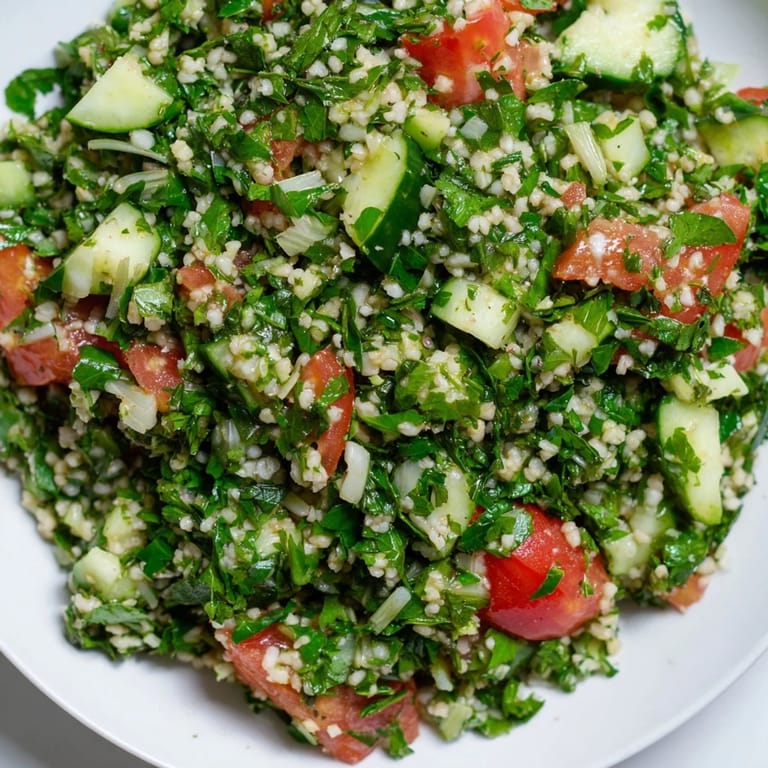
Save There's something about the smell of fresh parsley on a cutting board that instantly transports me to my grandmother's kitchen in Beirut, even though I've never actually been there. My mom would make tabbouleh on hot summer days when the tomatoes were at their sweetest, and she'd let me help chop the herbs while telling me stories about her childhood. The first time I made it myself, I was nervous I'd use too much lemon, but that bright, zesty bite is exactly what makes this salad sing. Now whenever someone asks me what real Lebanese food tastes like, this is the answer.
I remember bringing a big bowl of this to a potluck last July when everyone was complaining about the heat, and watching people's faces light up when they tasted it. One friend actually asked if I'd bought it from somewhere fancy, which made me laugh because there's nothing fancy about a knife, a cutting board, and good ingredients. That moment stuck with me because it proved that simple food, made with care, is sometimes exactly what people need.
Ingredients
- Fine bulgur wheat (1/2 cup): This grain is the backbone of tabbouleh; fine bulgur absorbs the dressing beautifully without turning mushy, and it cooks in just hot water with no stovetop needed.
- Boiling water (3/4 cup): The exact ratio matters here, so don't skip the measurement; too little and your bulgur stays hard, too much and it becomes porridge.
- Flat-leaf parsley (2 large bunches, about 2 cups packed): This is the star, not a garnish, so use the full amount and always choose flat-leaf over curly, which tastes more bitter and turns mushy when chopped.
- Fresh mint leaves (1/2 cup chopped): Fresh mint adds brightness that dried mint can never achieve; if you only have dried, use just 2 tablespoons because the flavor is so concentrated.
- Spring onions (2, finely sliced): They bring a gentle sharpness that balances the richness of the olive oil without overwhelming the delicate herbs.
- Tomatoes (3 medium, seeded and diced): Seeding them is important so the salad doesn't get watery; choose tomatoes at peak ripeness for the best flavor.
- Cucumber (1/2 medium, diced): English cucumbers work better than regular ones because they have fewer seeds and a thinner skin, but either way, seed them lightly if they're watery.
- Extra-virgin olive oil (1/4 cup): Don't use regular olive oil here; the fruity, robust quality of extra-virgin is what gives this salad its soul.
- Freshly squeezed lemon juice (1/4 cup): Bottled lemon juice tastes tinny and flat; fresh lemon is non-negotiable for a salad this simple.
- Fine sea salt (1/2 teaspoon): Sea salt dissolves better and tastes cleaner than table salt in a fresh salad like this.
- Freshly ground black pepper (1/4 teaspoon): Ground right before you make the dressing so it stays peppery and alive.
Tired of Takeout? 🥡
Get 10 meals you can make faster than delivery arrives. Seriously.
One email. No spam. Unsubscribe anytime.
Instructions
- Soak the bulgur until tender:
- Pour boiling water over the bulgur in a small bowl, cover it, and let it sit for 10 to 15 minutes. You'll notice it will absorb the water and become fluffy; this is exactly what you want. Fluff it gently with a fork to separate the grains, and drain any excess liquid if pools on top.
- Build the herb base:
- In your largest mixing bowl, combine the chopped parsley, mint, and spring onions. This might seem like a lot of green, but herbs shrink slightly as you handle them and blend together. The aroma alone will tell you you're on the right track.
- Bring everything together:
- Add the diced tomatoes and cucumber to the herbs, then fold in the cooled bulgur. Be gentle here so the vegetables don't break apart into mush.
- Make the dressing:
- Whisk the olive oil, lemon juice, salt, and pepper together in a small bowl until the salt dissolves completely. This simple dressing is the key to everything.
- Dress and toss:
- Pour the dressing over the salad and toss gently but thoroughly so every bite gets coated. Taste it and adjust the lemon or salt if needed, because every lemon is different and your tomatoes might taste sweeter than mine.
- Chill or serve:
- You can serve tabbouleh right away at room temperature, or chill it for an hour and let the flavors meld together. Both ways are delicious, depending on your mood.
 Save
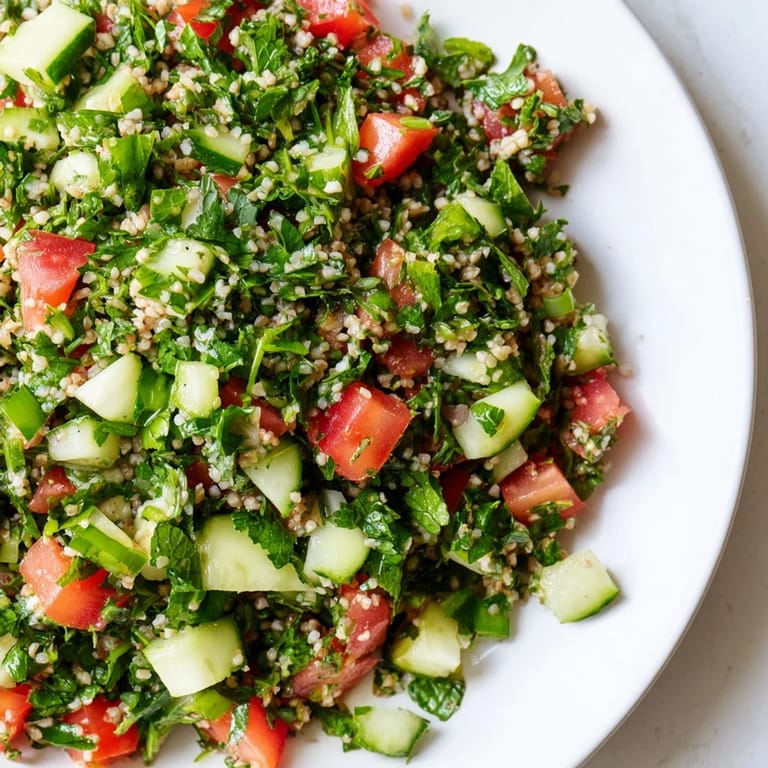
Save Years ago, a Lebanese friend of mine came to dinner and I served her this salad nervously, wondering if my homemade version could possibly live up to what she grew up eating. She took one bite, closed her eyes, and said it tasted like home, and I realized that food made with genuine love and attention tastes right no matter where the kitchen is.
The Art of Fresh Herb Cooking
Making tabbouleh taught me that fresh herbs aren't just decoration in the Middle Eastern kitchen; they're the main event. The volume of parsley might shock you at first, but once it's combined with the grain and vegetables, it becomes balanced and beautiful. I learned to stop being timid with my herbs and trust that they're supposed to be the dominant flavor, the thing that makes you feel alive when you eat it.
When to Serve Tabbouleh
This salad shines as part of a mezze spread alongside hummus, baba ganoush, and warm pita bread, but it's equally at home alongside grilled fish or chicken on a quiet weeknight. The freshness of the herbs and the brightness of the lemon juice cut through rich foods beautifully, making it the perfect palate cleanser at any table. It's also one of the few salads that works just as well at room temperature as it does chilled, which makes it ideal for picnics, potlucks, and outdoor gatherings.
Variations and Substitutions
Once you master the basic tabbouleh, you can play with it gently without losing its soul. Some cooks add pomegranate seeds for a burst of tartness, others include finely diced radishes for extra crunch, and a few traditional versions use slightly more mint than I've listed here. If gluten is a concern, quinoa works beautifully in place of bulgur; cook it separately and chill it completely before mixing in. The dressing can shift too—some prefer extra lemon if they like it more sour, and others add a tiny pinch of cumin for warmth.
- For a protein boost, crumble feta cheese or add roasted chickpeas, though this moves it away from strictly vegan.
- If tomatoes are out of season, use the best you can find or consider pomegranate seeds and roasted beets instead.
- Keep the ratio of herbs to grain favoring the herbs; tabbouleh should taste green and alive, not grainy.
 Save
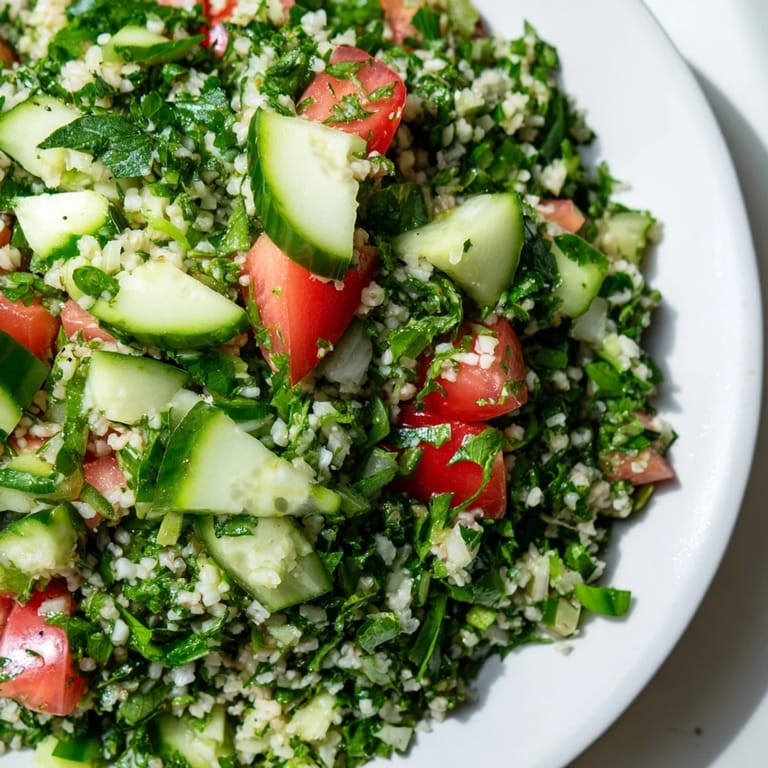
Save Tabbouleh is the kind of salad that reminds you why simple cooking is sometimes the most powerful. It asks so little of you but gives back so much freshness, flavor, and joy.
Recipe FAQs
- → What is the key grain ingredient in tabbouleh?
Finely cracked bulgur wheat is traditionally used, soaked in hot water to soften before mixing with herbs and vegetables.
- → Can tabbouleh be made gluten-free?
Yes, substituting bulgur wheat with cooked quinoa retains texture while making it suitable for gluten-free diets.
- → Which herbs are essential for authentic flavor?
Flat-leaf parsley and fresh mint provide the fresh, vibrant base essential to the dish's bright and aromatic profile.
- → How is the dressing prepared for tabbouleh?
A simple dressing of freshly squeezed lemon juice, extra-virgin olive oil, salt, and pepper is whisked together and tossed with the salad.
- → What is the best way to serve tabbouleh?
Serve chilled or at room temperature, often as a side dish with grilled meats, falafel, or part of a mezze platter.
- → How long can tabbouleh be stored after preparation?
It is best enjoyed fresh but can be refrigerated and consumed within two days for optimal flavor and texture.