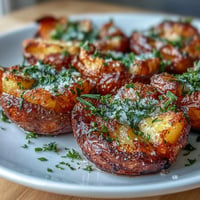
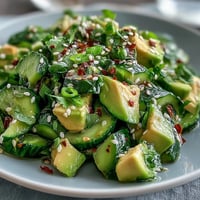
 Save
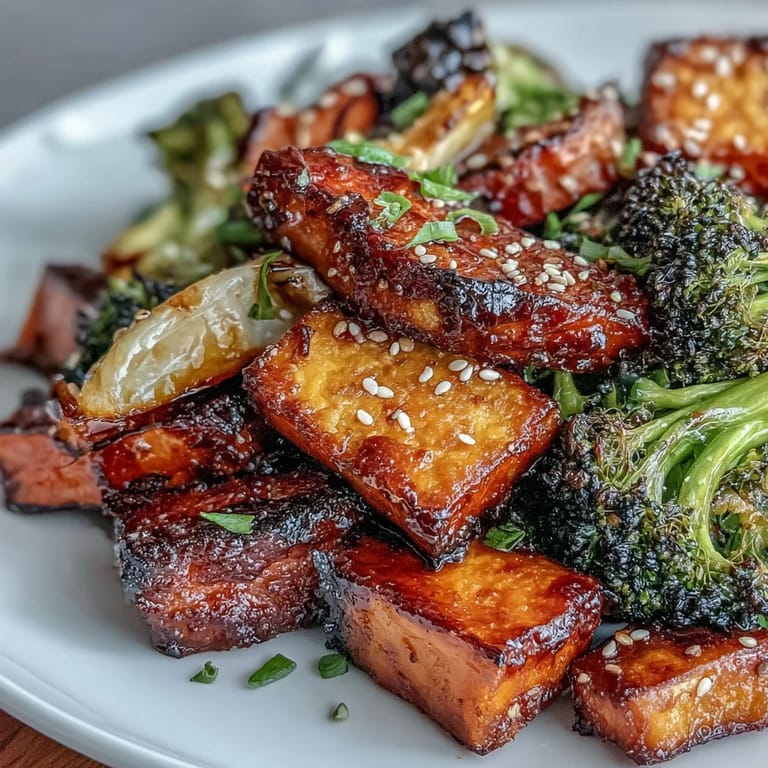
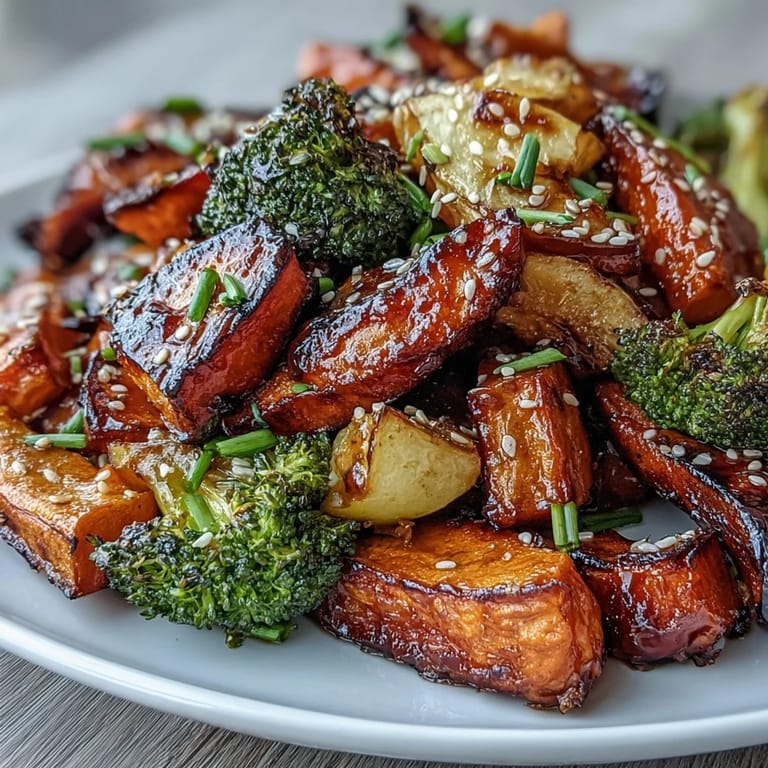
Save There was a Tuesday evening when my neighbor handed me a jar of white miso paste and said, 'Trust me, this changes everything.' I'd been roasting the same vegetables the same way for years, and honestly, they were fine. But that night, I melted butter with that funky-smelling paste, added a touch of maple syrup, and tossed it all together. The oven did its magic, and suddenly my kitchen smelled like a Japanese restaurant. My family came home to golden, caramelized edges and something that made them pause mid-bite and ask what I'd done differently.
I made this for my sister's potluck last spring when everyone was tired of the same old sides. People kept coming back to the vegetable platter, which honestly never happens. One guest asked if I'd used some fancy ingredient, and when I explained it was just miso and butter, she looked genuinely shocked. That moment taught me that simple components treated with intention create something memorable.
Ingredients
- Carrots: Cut into 1-inch pieces so they roast evenly and caramelize beautifully, not turning mushy or staying crunchy.
- Sweet potatoes: Cubed to match the carrot size, they develop a creamy interior while the edges crisp up in the heat.
- Red bell pepper: Chunked generously because roasting softens the raw bite and brings out natural sweetness.
- Zucchini: Sliced into rounds so you get those caramelized flat surfaces that everyone fights over.
- Red onion: Wedges stay intact during roasting, turning jammy and sweet rather than disappearing into mush.
- Broccoli florets: Added for color and nutrition, and they crisp up at the edges like little flavor bombs when roasted hot enough.
- Unsalted butter: Softened so it blends smoothly with miso, creating the glaze's rich, silky base.
- White miso paste: The secret ingredient that brings deep, savory umami without any fishiness, mellower than red miso and perfect here.
- Maple syrup or honey: Just enough to balance the miso's saltiness and encourage caramelization in the oven.
- Soy sauce: Adds another layer of umami and helps the glaze coat every vegetable evenly.
- Olive oil: Helps the glaze spread and prevents sticking on the baking sheet.
- Rice vinegar: A whisper of brightness that cuts through richness and keeps everything from tasting one-dimensional.
- Garlic: One clove minced fine so it distributes throughout the glaze and roasts into sweet, mellow notes.
- Black pepper: Freshly ground because it actually tastes like pepper, not dust.
- Toasted sesame seeds: The final flourish that adds nuttiness and crunch, worth toasting yourself if you have time.
- Fresh parsley or scallions: A garnish that brings freshness and color to the warm, caramelized vegetables.
Tired of Takeout? 🥡
Get 10 meals you can make faster than delivery arrives. Seriously.
One email. No spam. Unsubscribe anytime.
Instructions
- Get your oven ready:
- Preheat to 425°F and line your baking sheet with parchment paper so cleanup is effortless and nothing sticks.
- Gather your vegetables:
- Toss all your cut vegetables into a large bowl, making sure pieces are roughly similar in size so everything roasts at the same pace.
- Create the magic glaze:
- In another bowl, whisk together softened butter, miso paste, maple syrup, soy sauce, olive oil, rice vinegar, garlic, and pepper until you have a smooth, glossy mixture. If it feels too thick, that's fine—it'll loosen slightly when it meets the warm vegetables.
- Coat everything evenly:
- Pour the glaze over the vegetables and toss thoroughly until every piece is glistening and coated, which takes about a minute of actual tossing work.
- Spread on the sheet:
- Arrange vegetables in a single layer so they get direct heat on the baking sheet, creating those caramelized edges.
- Roast with intention:
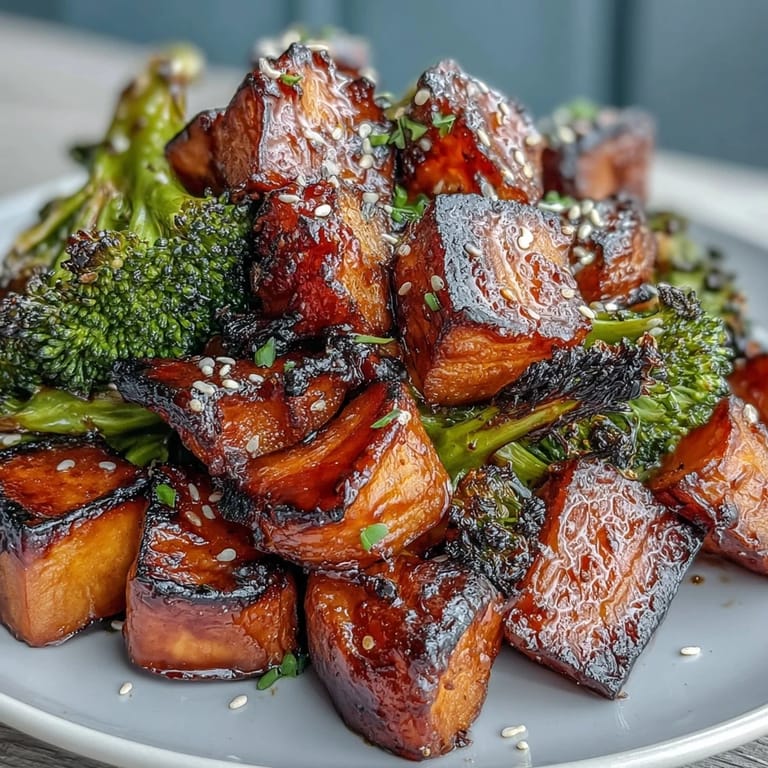
- Slide into the oven for 25 to 30 minutes, stirring halfway through so the vegetables roast evenly and the glaze doesn't burn on one side. You'll smell when it's done—the kitchen will smell like caramel and umami.
- Finish and serve:
- Transfer to a serving platter, scatter sesame seeds and herbs on top, and serve while everything's still warm and the vegetables are at their crispiest.
 Save
Save My partner once joked that this dish proved vegetables could actually taste exciting, which sounds silly but made me realize how much potential there is in side dishes when you treat them like the star. Now whenever I'm meal planning, I think about this tray first and build the rest of dinner around it.
Swapping Vegetables Without Losing Flavor
The beauty of this recipe is how forgiving it is when you work with what's in season or what your kitchen already has. Brussels sprouts halved lengthwise develop an incredible caramelized exterior, parsnips turn creamy and sweet, and cauliflower becomes almost nutty. The key is keeping pieces relatively uniform in size and not overstuffing the pan—vegetables need breathing room to caramelize, not steam. I've made this in spring with asparagus and early potatoes, in summer with zucchini and bell peppers, and in fall with root vegetables, and it's never disappointed.
Making It Work With Dietary Needs
The glaze's richness comes from butter, but vegan butter swaps in seamlessly—I've tested it, and the results are nearly identical, just with a slightly lighter taste. For anyone avoiding soy, tamari works perfectly in place of regular soy sauce and gives you that same savory depth. The vegetables themselves are naturally vegan and gluten-free, so this dish works beautifully as a side for almost any dietary restriction you're navigating. I once served this at a dinner where half the table had different dietary preferences, and everyone went back for seconds.
Storage and Reheating Tips
Leftovers keep for three days in an airtight container in the refrigerator, though they're honestly best eaten the same day while the edges are still crispy. Reheating is simple—a quick 10 minutes in a 350°F oven brings back the warmth and crispness without turning everything soft. You can also eat them cold the next day as part of a grain bowl or salad, which is exactly what I do with Monday night's leftovers.
- Don't crowd the baking sheet, or steam wins and caramelization loses.
- Taste the glaze before roasting if you want to adjust sweetness or saltiness to your preference.
- Sesame seeds burned onto a sheet are nearly impossible to remove, so add them after roasting if you're worried about your pan.
 Save
Save This dish has become my answer to the question 'what should I bring to dinner,' because it arrives warm, serves a crowd, and somehow makes people forget about heavier sides entirely. Once you've made it once, you'll find yourself returning to it again and again.
Recipe FAQs
- → What vegetables work best with the miso-butter glaze?
Root vegetables like carrots and sweet potatoes, along with bell peppers, zucchini, onions, and broccoli, absorb the glaze well and roast evenly.
- → Can I substitute the butter for a vegan alternative?
Yes, using plant-based butter maintains the creamy texture while keeping the glaze vegan-friendly.
- → How does roasting enhance the flavor of the vegetables?
Roasting caramelizes natural sugars, resulting in sweeter, tender vegetables with a slightly crisp surface.
- → Is it possible to prepare this dish ahead of time?
You can prepare the vegetables and glaze in advance, then roast just before serving to preserve freshness and texture.
- → What garnishes complement the roasted vegetables?
Toasted sesame seeds and fresh parsley or scallions add a nutty crunch and a burst of fresh herbaceous flavor.