 Save
Save My first encounter with Omani Shuwa happened in a cramped kitchen in Muscat, where my friend's mother was preparing it for a family gathering. The aroma hit me before I even saw the banana leaves—layer upon layer of warm spices that seemed to build their own melody in the air. She moved with such ease, rubbing that fragrant paste into the meat like she was performing a ritual, and I realized then that this wasn't just cooking; it was tradition wrapped in leaves and patience. When we finally unwrapped it hours later, the meat practically dissolved on my tongue, and I understood why this dish has fed families for generations.
I made this for a dinner party last winter when I wanted to prove that slow cooking wasn't boring. One guest asked if I'd been cooking all day, and I loved being able to say the actual hands-on time was barely thirty minutes—the oven did the heavy lifting. Watching people's faces light up when they tasted that impossibly tender meat wrapped in those delicate banana leaves made me realize that some of the most impressive dishes are really just about patience and good spices.
Ingredients
- Bone-in lamb shoulder or leg (2.5 kg): The bone adds depth to the flavor and keeps the meat juicy through the long cooking time; don't trim away all the fat, as it bastes the meat beautifully from within.
- Garlic paste (4 tbsp): Fresh garlic becomes mellow and sweet when slow-cooked, so don't shy away from the quantity—it's the backbone of your marinade.
- Ginger paste (2 tbsp): This cuts through the richness with a subtle warmth and helps tenderize the meat at the same time.
- Ground coriander (2 tbsp): The quiet hero that ties all the spices together without shouting; it's worth buying whole coriander seeds and grinding them yourself for maximum freshness.
- Ground cumin (1.5 tbsp): Brings an earthy undertone that reminds you why Middle Eastern spice blends are so addictive.
- Ground cinnamon (1 tbsp): A pinch of sweetness that deepens as the meat cooks; this isn't dessert spice here, it's savory warmth.
- Ground cardamom (1 tbsp): Complex and slightly floral, it elevates the whole dish if you use good quality.
- Ground black pepper (1 tbsp): Don't use pre-ground if you can help it; crack it fresh for a cleaner bite.
- Ground cloves (2 tsp): Potent and aromatic, these small amounts go a long way and give the dish its signature depth.
- Paprika (2 tsp): Adds color and a gentle pepper sweetness without heat.
- Turmeric (1 tsp): The golden undertone that makes everything feel warm and alive.
- Chili powder (2 tsp): Adjust this to your comfort level; it should warm without overwhelming.
- Salt (2 tsp): Season more generously than feels instinctive; the long cooking time mellows it out.
- White vinegar (1/4 cup): The acid brightens everything and helps the marinade penetrate the meat more effectively.
- Vegetable oil (1/4 cup): Creates the paste consistency that allows the spices to cling to every surface of the meat.
- Lemon juice (from 2 lemons): Fresh citrus adds its own sharpness that balances the warmth of the spices.
- Banana leaves (4–6 large): They're not just for wrapping; they impart a subtle, almost grassy flavor that foil simply cannot replicate.
Tired of Takeout? 🥡
Get 10 meals you can make faster than delivery arrives. Seriously.
One email. No spam. Unsubscribe anytime.
Instructions
- Mix your spice foundation:
- Combine all the marinade ingredients in a large bowl, stirring until you have a thick, fragrant paste. Take a moment to smell it—this is the aroma that will transform your kitchen for the next several hours.
- Score and season the meat:
- Using a sharp knife, make deep cuts across the surface of the lamb, spacing them about an inch apart. These aren't just for show; they're pathways for the marinade to travel deep into the meat, ensuring every bite is infused with flavor.
- Massage in the marinade:
- Don't rush this step—use your hands to rub the paste thoroughly over every surface and deep into those cuts. You'll feel the meat begin to transform under your fingers as the spices and acid start their work.
- Let time do the work:
- Wrap the marinated meat and refrigerate for at least 8 hours, though 24 hours is ideal. This patience is what separates Shuwa from any other braised meat dish; the spices need time to become part of the meat itself.
- Prepare your wrapping station:
- Preheat your oven to 160°C (320°F) while you take out the banana leaves. If they're stiff from the cold, hold them briefly over a warm flame or run them under warm water to make them pliable without tearing.
- Wrap with intention:
- Layer 2–3 banana leaves on your work surface, overlapping them so they form a large enough rectangle to encase the meat. Place the marinated lamb in the center and fold the leaves tightly around it, sealing the edges. Tie with kitchen twine if needed, or wrap the bundle in foil for extra security.
- The long, slow journey:
- Place the wrapped meat in a deep roasting pan, cover tightly with a lid or foil, and slide it into the oven. The meat will cook low and slow for 4–6 hours; you'll know it's ready when it shreds easily with a fork and the bones feel loose.
- The reveal:
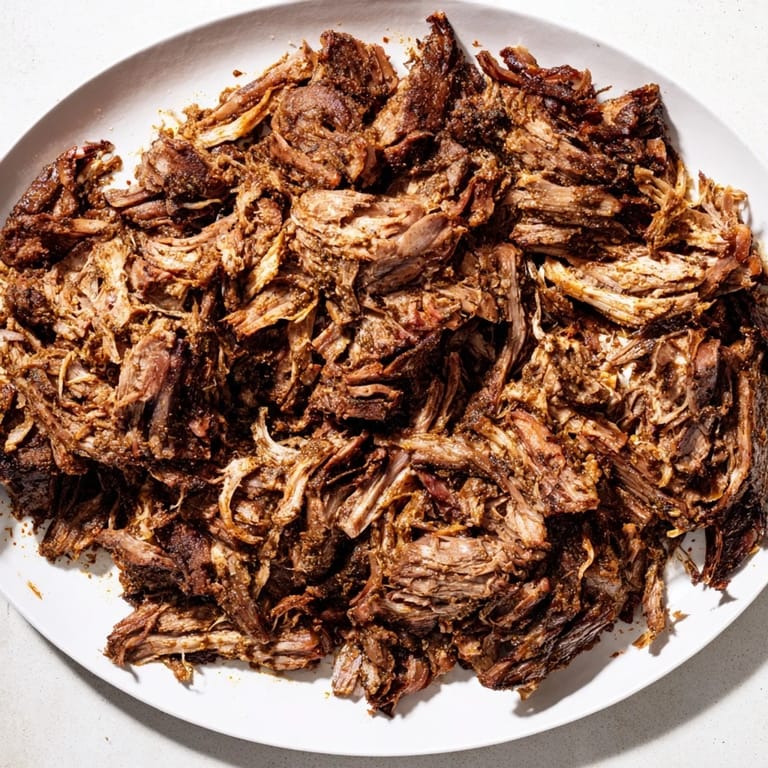
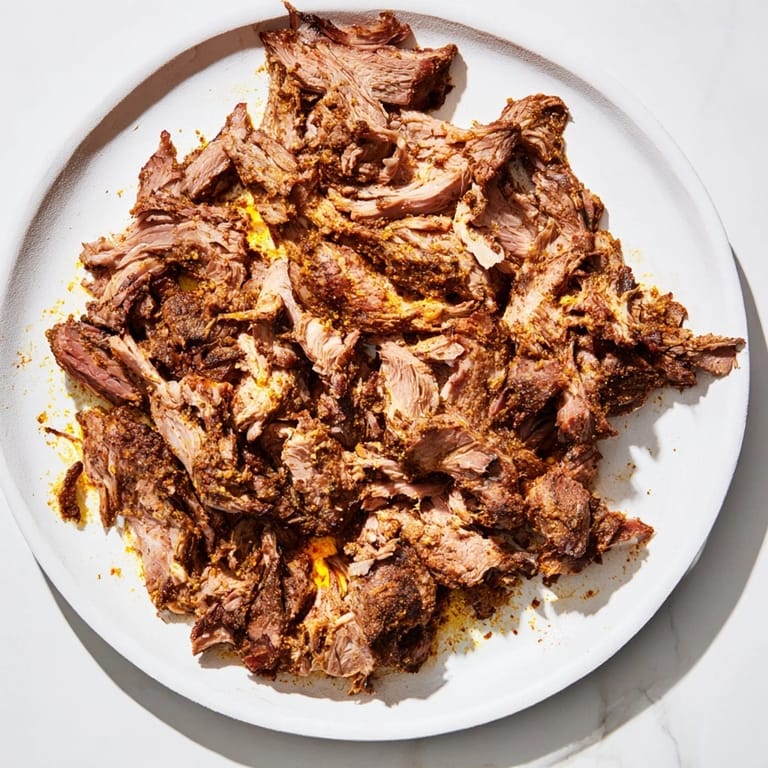
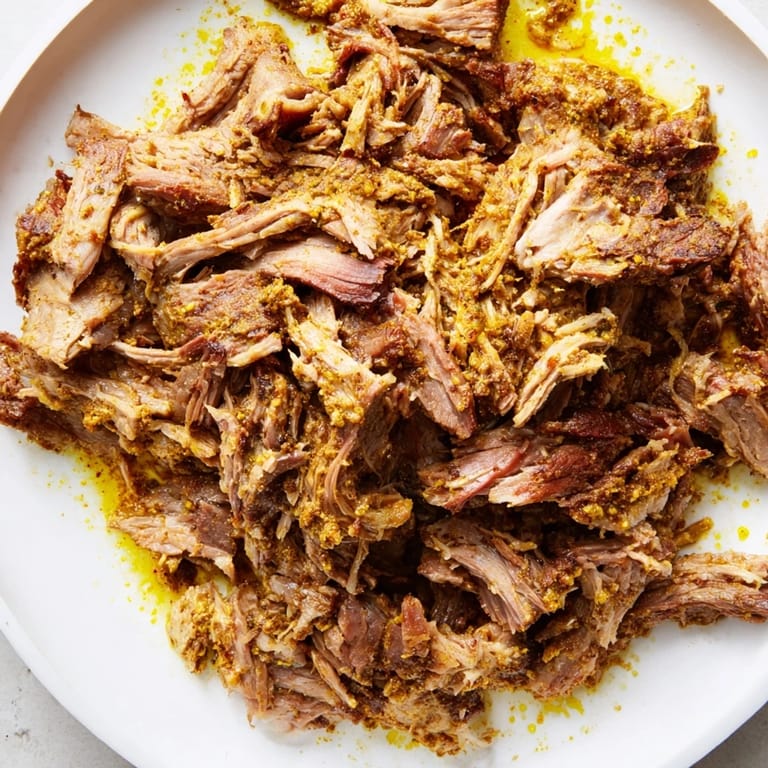
- When the meat is done, carefully unwrap it and shred or carve it into pieces. Some of the rendered fat will have collected in the banana leaf bundle—don't discard it, pour it over the meat as a finishing touch.
 Save
Save There's a moment during the last hour of cooking when the smell becomes almost unbearable—in the best way possible. I found myself opening the oven door repeatedly just to stand there in the steam and warmth, watching condensation bead on the foil. It's the smell of centuries of family gatherings, of patience rewarded, captured in your own kitchen.
The Tradition Behind Slow Cooking
Omani Shuwa comes from the tradition of underground sand ovens, where meat would cook buried in hot sand for hours. This oven method captures that same philosophy—low heat, sealed environment, plenty of time. The modern home oven may not have the smoke and earth of the original, but it honors the principle that the best flavors come from patience, not shortcuts.
Choosing Your Meat Wisely
Lamb is traditional and absolutely worth the investment if your budget allows, but beef and goat work beautifully too. The bone-in cut is crucial; it adds body to the cooking liquid and keeps the meat moist. If your butcher can cut the meat into 2–3 pieces rather than leaving it whole, it will fit better in your roasting pan without needing to fold it awkwardly.
Serving and Storage
Shuwa shines when paired with fragrant spiced rice, a sharp yogurt sauce, and fresh salad to cut through the richness. Leftovers actually improve the next day as the flavors settle and deepen; simply reheat gently with a splash of water to restore moisture. This dish freezes well for up to three months, making it perfect for cooking ahead.
- Shred the meat and freeze it in portions for quick meals later.
- The spiced cooking liquid can be spooned over rice or used as a base for other dishes.
- Cold Shuwa makes an unexpectedly delicious sandwich filling the day after.
 Save
Save Making Shuwa taught me that the most memorable meals often come from dishes that demand your respect rather than your constant attention. Once you've done the prep work and slid it into the oven, all that's left is to trust the process.
Recipe FAQs
- → What type of meat works best for Omani Shuwa?
Bone-in lamb shoulder or leg is traditional, but beef or goat can also be used depending on preference.
- → How does wrapping in banana leaves affect the dish?
Banana leaves help retain moisture and infuse a subtle earthy aroma into the slow-cooked meat.
- → Can the marinating time be shortened?
While 8–24 hours is recommended for maximum flavor, marinating for at least 8 hours ensures well-penetrated spices.
- → What cooking temperature is ideal for slow roasting?
Maintaining a low oven temperature around 160°C (320°F) allows the meat to become tender without drying out.
- → Are there alternatives to banana leaves for wrapping?
Parchment paper or heavy-duty foil can be used, though banana leaves add a distinctive aroma and flavor.
- → What side dishes complement this dish?
Spiced rice, fresh salads, and yogurt-based sauces create a balanced and flavorful meal.