 Save
Save I discovered this dish at a gallery opening in a converted warehouse, where a caterer was arranging these striking little ovals on white plates like edible art installations. The contrast between the creamy cheese and dark tapenade was so visually arresting that I had to know how they were made, and the answer turned out to be wonderfully simple. What captivated me wasn't just the elegance but the fact that something so sophisticated required almost no cooking—just good ingredients, a steady hand, and a sense of playfulness about presentation.
The first time I made these for a dinner party, I was genuinely nervous about getting the tapenade silhouettes to look intentional rather than smeared, so I practiced on the first two with a tiny spatula like I was applying makeup. By the third and fourth, I'd figured out that a light hand and a bit of confidence made all the difference, and honestly, the slightly imperfect ones looked more charming than if they'd been perfectly symmetrical.
Ingredients
- Fresh goat cheese or cream cheese (200 g): The foundation of this dish—goat cheese brings tanginess and a naturally creamy texture, while cream cheese is milder and slightly denser, so pick based on your mood and what you like to taste when eating rich appetizers.
- Black olive tapenade (80 g): This is your color and flavor contrast; store-bought works beautifully, but homemade is just olives, garlic, capers, lemon, and olive oil blended smooth, and it tastes noticeably fresher.
- Rustic baguette or gluten-free crackers: Optional but genuinely helpful for serving, as it gives guests something to anchor the delicate cheese to if they're eating standing up.
- Fresh herbs like thyme or chives, finely chopped: These add a whisper of brightness and visual texture that prevents the plate from feeling too heavy.
- Extra virgin olive oil: For drizzling around the cameos, which adds shimmer and a soft savory note that ties everything together.
Tired of Takeout? 🥡
Get 10 meals you can make faster than delivery arrives. Seriously.
One email. No spam. Unsubscribe anytime.
Instructions
- Shape the cheese into medallions:
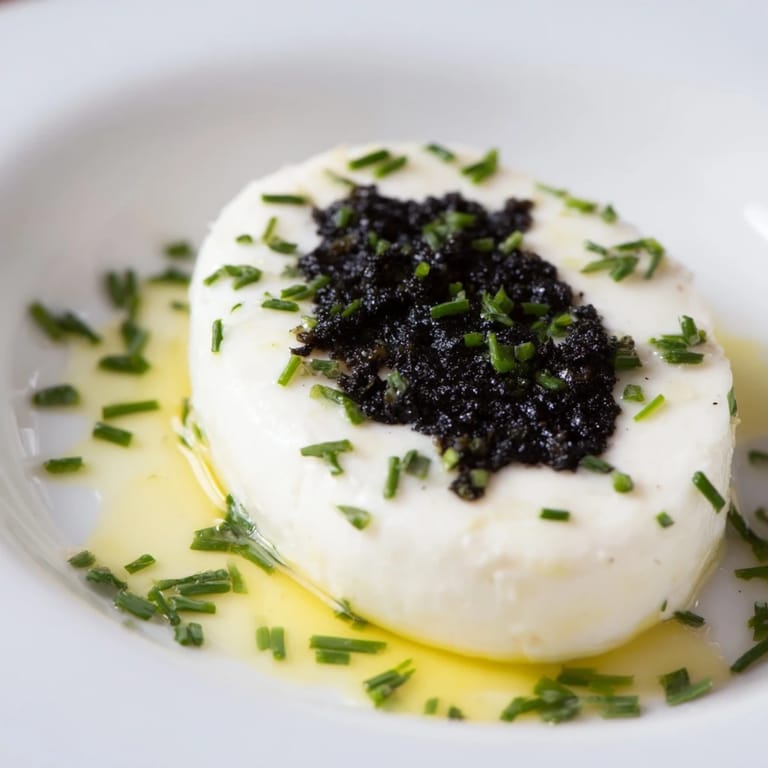
- Scoop or shape the cheese into four thick oval forms, each about 2 cm thick, and arrange them on serving plates or atop bread slices. If the cheese is very soft, chilling it for a few minutes first makes shaping easier and less messy.
- Apply the tapenade silhouette:
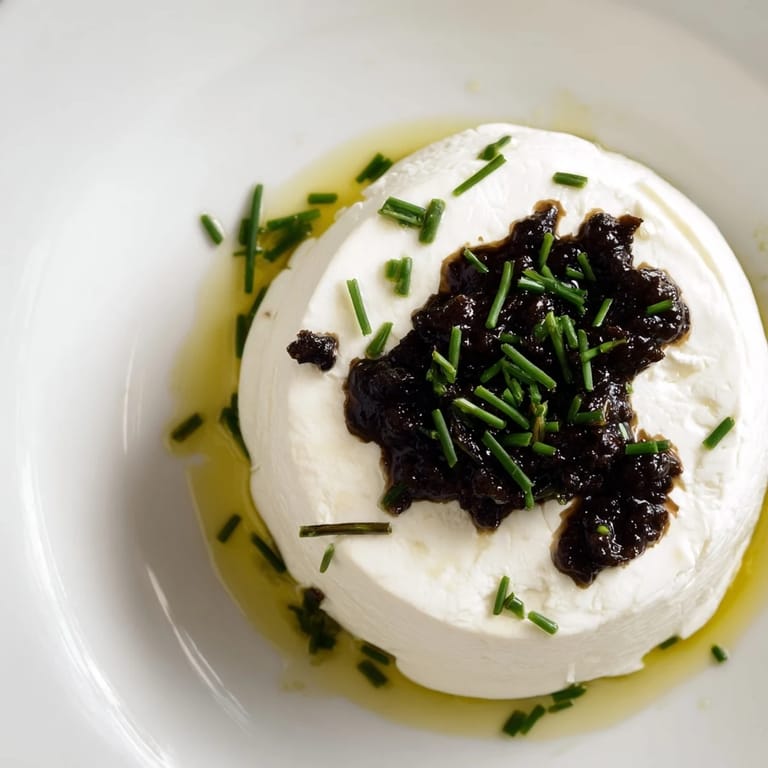
- Using the back of a small spoon or a butter knife, spread a thin layer of tapenade across each cheese oval to create that striking cameo effect. You can be precise and freehand a profile, use a stencil for a more defined shape, or simply let the tapenade follow the natural contours of the cheese—there's no wrong interpretation.
- Finish with oil and herbs:
- Drizzle a small amount of olive oil around each cameo and scatter the fresh herbs over the top. The oil catches the light and the herbs add color and flavor.
- Serve right away:
- These are best eaten within a few minutes of assembly, while the textures are still distinct and the presentation is crisp. Set out extra bread or crackers alongside for guests who want them.
 Save
Save What started as a nervous plating exercise became something I now make whenever I want to feel like I've put real thought into a gathering, even if I'm throwing it together minutes before guests arrive. There's something about the simplicity and elegance of it that makes people linger over the plate.
Making It Your Own
The beauty of this recipe is that it's a template more than a rigid formula. I've made versions with roasted red pepper tapenade for warmth, sun-dried tomato for earthiness, and even a basil pesto when I had fresh herbs and wanted to go lighter and greener. The technique stays the same, but the flavor story shifts depending on what you're drawn to in the moment. Think of it as a small canvas where you can play with colors and flavors without worrying about timing or cooking finesse.
Serving and Pairing
These cameos sit happily before a meal or as part of a small spread of appetizers, and they're sophisticated enough to feel at home at wine tastings or casual enough for a Friday night with friends. A crisp Sauvignon Blanc or a light Pinot Noir brings out the briny notes of the tapenade and complements the creamy cheese without overwhelming it. If you're serving at a larger gathering, you can assemble them a few hours ahead and keep them chilled, then bring them to room temperature just before people arrive.
A Few Final Notes
The magic of this dish is that it proves you don't need heat or complicated technique to feel elegant. It's about respecting good ingredients and taking a moment to present them thoughtfully. Whether you're making these for a dinner party or just because you want something beautiful to eat, approach it with a light hand and a sense of play—that's where the real sophistication lives.
- If you're making homemade tapenade, make it fresh the same day; it keeps in the fridge but tastes best right away.
- A quick chill in the fridge keeps the cheese firm enough to shape cleanly and makes the whole dish feel more refreshing.
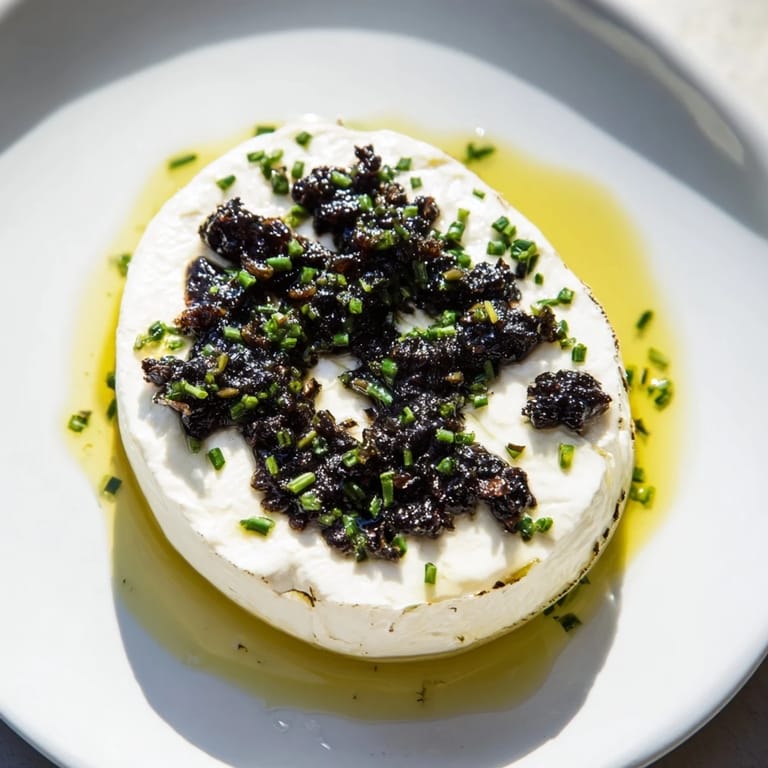
- Don't overthink the shape of your silhouettes—slight imperfections make them look more artisanal and intentional than mechanical perfection ever could.
 Save
Save This recipe reminds me that sometimes the most sophisticated moments in the kitchen are the ones where you do very little but choose what you do with intention. It's a small elegant thing, and it works because it's honest.
Recipe FAQs
- → What type of cheese works best?
Fresh goat cheese (chèvre) or cream cheese provides a creamy texture and mild flavor ideal for shaping and pairing with tapenade.
- → Can I make the tapenade at home?
Yes, blend pitted black olives with garlic, capers, lemon juice, and olive oil until smooth for a fresh tapenade.
- → Are there gluten-free serving options?
Yes, serving the cheese on gluten-free crackers keeps the appetizer suitable for gluten-free diets.
- → How do I create the cameo effect?
Spread the tapenade thinly over the cheese ovals, using a spoon or small spatula to shape a silhouette or decorative pattern.
- → What herbs are recommended for garnish?
Fresh thyme or chives finely chopped add color and subtle aromatic notes when sprinkled over the finished dish.