 Save
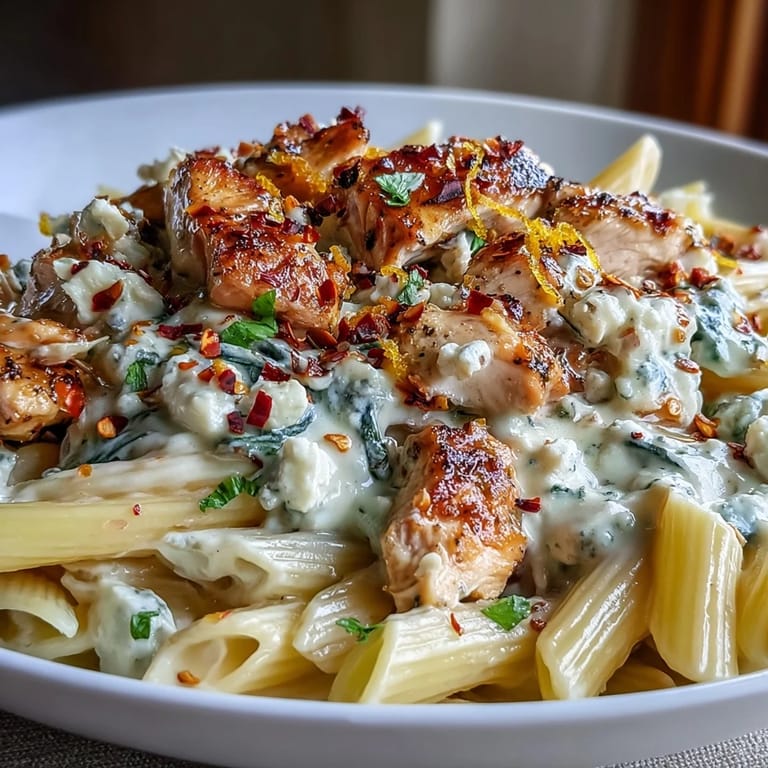
Save My sister called me in a panic one Tuesday evening, insisting she needed something that tasted like Greece but could be on the table in forty minutes. I had chicken, cream, and a lemon sitting on the counter, so I started improvising with feta and Parmesan, creating this sunny pasta that somehow captured everything she was craving. The first bite, with that tangy cheese melting into silky sauce, became the reason she now requests it constantly. There's something about how the lemon cuts through the richness that makes you feel like you're cooking with the Mediterranean breeze in your kitchen.
I made this for a dinner party where everyone was stressed about some work situation, and by the second bite, the whole table went quiet in that good way where food becomes a conversation all by itself. Someone asked for the recipe before dessert even arrived, which told me everything about how this pasta had landed. It's become my go-to dish when I want to cook for people without spending all day in the kitchen.
Ingredients
- Penne or rigatoni pasta, 12 oz: The ridges catch the creamy sauce beautifully, so avoid smooth pasta unless that's what you have on hand.
- Boneless, skinless chicken breasts, 1 lb cut into bite-sized pieces: Smaller pieces cook through quickly and distribute evenly throughout the dish, preventing dry edges.
- Salt, 1/2 tsp plus more to taste: Season the chicken generously before cooking, as this builds flavor into the protein itself.
- Freshly ground black pepper, 1/4 tsp plus more to taste: Fresh grinding makes a real difference here, giving the dish complexity rather than harshness.
- Dried oregano, 1/2 tsp: This connects the dish to its Greek roots and plays nicely with the lemon.
- Garlic powder, 1/2 tsp: This seasons the chicken evenly, where minced fresh garlic would create hot spots.
- Olive oil, 2 tbsp: Use something you'd actually taste in a salad, not the cheap stuff meant just for cooking.
- Garlic cloves, 3 minced: Add these to the pan after the chicken comes out, so they soften without browning too much.
- Lemon zest, from 1 lemon: Zest it before cutting the lemon for juice, and don't skip this, as it provides brightness that juice alone cannot deliver.
- Fresh lemon juice, 1/4 cup from about 1 large lemon: Bottled juice tastes flat by comparison, so squeeze it fresh even if your hand gets tired.
- Heavy cream, 1 cup: This is what makes the sauce silky and luxurious, binding everything together.
- Low-sodium chicken broth, 1/2 cup: This dilutes the cream just enough so the sauce isn't overwhelming, and gives you control over salt.
- Grated Parmesan cheese, 1/2 cup: Grate it fresh from a block if you can, as pre-grated contains anti-caking agents that prevent smoothness.
- Crumbled feta cheese, 1/2 cup: The tangy base of this dish, bringing a saltiness and complexity that cream alone would never achieve.
- Red pepper flakes, 1/4 tsp optional: A whisper of heat cuts through the richness beautifully, so consider adding this even if you usually skip spice.
- Fresh parsley, 2 tbsp chopped: This garnish brightens the finished dish and adds a fresh herbaceous note.
- Extra feta and lemon zest for serving, optional: These finishing touches let people customize their own bowl and make it feel restaurant quality.
Tired of Takeout? 🥡
Get 10 meals you can make faster than delivery arrives. Seriously.
One email. No spam. Unsubscribe anytime.
Instructions
- Start the pasta water:
- Bring a large pot of salted water to a rolling boil. The water should taste like the sea, so don't hold back on salt here.
- Cook the pasta:
- Add pasta and cook according to package instructions until it's al dente, which means it should still have a slight firmness when you bite it. Drain it in a colander, but save about 1/2 cup of that starchy cooking water because you'll need it later to adjust the sauce consistency.
- Season the chicken:
- While the pasta cooks, toss your bite-sized chicken pieces with salt, pepper, oregano, and garlic powder in a bowl. Make sure every piece gets touched by the seasonings so flavor develops evenly as they cook.
- Sear the chicken:
- Heat olive oil in a large skillet over medium-high heat until it shimmers and moves easily around the pan. Add the seasoned chicken and let it sit undisturbed for a minute before stirring, which gives it a golden crust. Cook for 6 to 8 minutes total, stirring occasionally, until the chicken is golden outside and cooked through with no pink inside. Transfer it to a plate and set aside.
- Build the sauce base:
- In the same skillet still warm with chicken drippings, add your minced garlic and lemon zest, stirring constantly for about 30 seconds until the kitchen fills with that bright, fragrant aroma. This brief cooking mellows the raw garlic without letting it turn bitter.
- Deglaze and simmer:
- Pour in the fresh lemon juice, using a wooden spoon to scrape up all those golden, flavorful bits stuck to the bottom of the pan. This deglazing adds depth, so don't skip it even though it seems small.
- Add cream and broth:
- Stir in the heavy cream and chicken broth, then bring the mixture to a gentle simmer. You'll see small bubbles around the edges, but don't let it boil hard or the cream might break.
- Melt in the cheeses:
- Reduce heat to low, then add the grated Parmesan and crumbled feta, stirring constantly until they melt into a smooth, cohesive sauce. This takes about 2 to 3 minutes and transforms from separate ingredients into something unified and creamy.
- Season and heat:
- Taste the sauce and add red pepper flakes if you want a gentle warmth, plus extra black pepper to your liking. Resist adding salt yet, as the cheeses are already quite salty.
- Bring it together:
- Return the cooked chicken to the skillet, then add the drained pasta and toss everything gently so each piece gets coated in sauce. If it looks too thick, splash in a bit of that reserved pasta water a little at a time until it reaches the consistency you want, where sauce clings to pasta but isn't soupy.
- Final taste:
- Taste again and adjust salt and pepper as needed, knowing the feta will give a gentle saltiness.
- Serve with love:
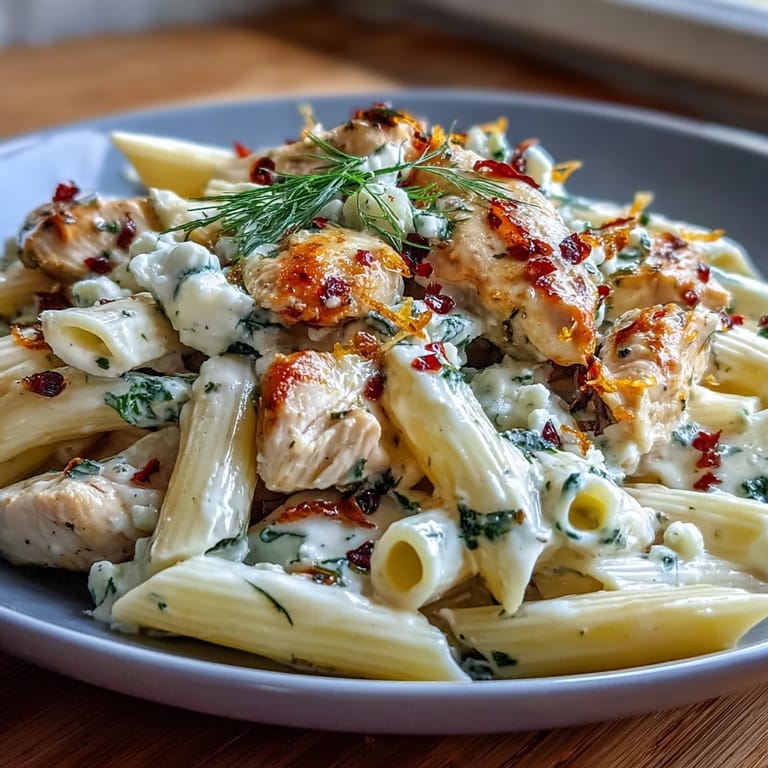
- Divide into bowls immediately while everything is hot and silky. Garnish with chopped fresh parsley, a crumble of extra feta, and another small pinch of lemon zest so every bite feels intentional.
 Save
Save There was a moment when my daughter, who usually picks at her food, asked for seconds of this pasta without prompting, and I realized that good food isn't about showing off but about creating something so honest that people feel it. That's what this dish does every single time.
Why the Lemon Matters
The lemon in this recipe isn't just flavor, it's the thing that prevents the cream and cheese from feeling heavy or one-note. When you use both zest and juice, you get brightness on two levels: the zest gives aromatic oils that perfume the dish, and the juice provides acidity that balances richness. I learned this the hard way by once skipping the zest to save time, and the result tasted flat despite being technically correct.
Chicken Doneness and Texture
Cutting the chicken into bite-sized pieces rather than leaving breasts whole changes everything about how this dish eats. Smaller pieces cook faster, they distribute throughout the pasta so you get protein in every bite, and they absorb the sauce flavor more effectively. The key is not to overcrowd the pan when searing, because if pieces touch each other they'll steam rather than brown, so work in batches if needed.
Variations and Flexibility
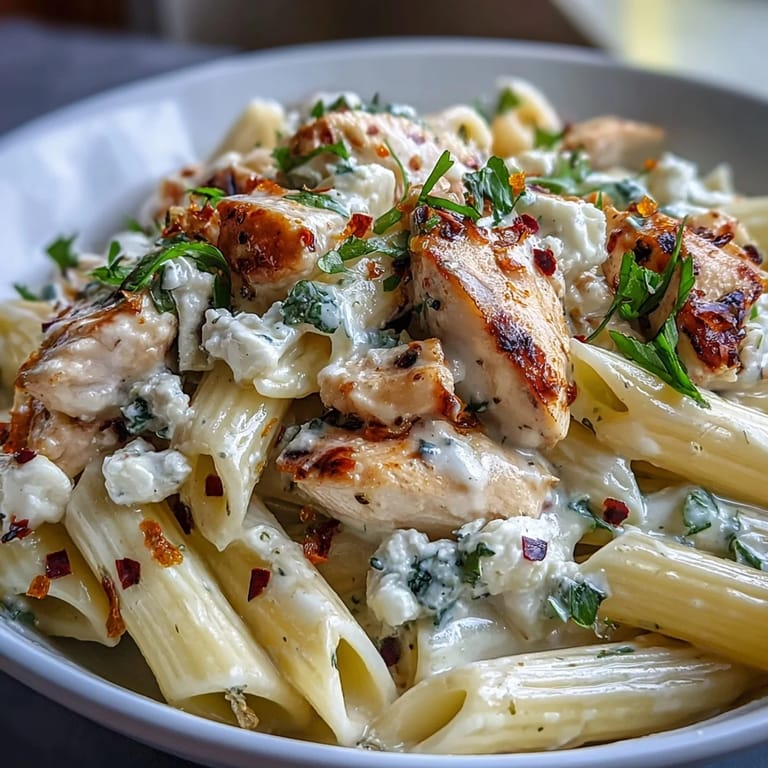
This recipe welcomes changes based on what you have and what your mood is, which is part of why it's become such a reliable dish in my kitchen. I've added spinach wilted into the sauce for color, threw in halved cherry tomatoes for a fresh element, and even tried it with artichoke hearts when I had them lingering in the fridge. The core of lemon, feta, cream, and chicken stays strong no matter what you add, so feel free to play around.
- For a lighter version that still feels satisfying, replace the heavy cream with half-and-half or Greek yogurt stirred in at the end.
- Fresh spinach or cherry tomatoes add color and nutrition without changing the fundamental character of the dish.
- A crisp Greek white wine like Assyrtiko or even a dry Sauvignon Blanc pairs beautifully because the acidity echoes the lemon in your pasta.
 Save
Save This is the kind of dish that reminds you why you cook in the first place, where simple ingredients become something that tastes like care. Make it when you want to feed people well without the stress.
Recipe FAQs
- → Can I use different pasta shapes?
Absolutely. While penne and rigatoni work wonderfully for catching the creamy sauce, you can substitute with fusilli, farfalle, or even shells. Short pasta with ridges or curves holds the lemon feta sauce exceptionally well.
- → Is there a lighter alternative to heavy cream?
Yes. You can replace half or all of the heavy cream with half-and-half for a lighter version. The sauce will be slightly less rich but still creamy and delicious. Just avoid milk entirely as it won't provide the proper texture.
- → Can I make this ahead of time?
The components can be prepared in advance—cook the chicken and make the sauce separately—but it's best to combine everything just before serving. The pasta absorbs sauce quickly, so if storing leftovers, add a splash of broth or cream when reheating.
- → What vegetables can I add?
Baby spinach, cherry tomatoes, or sautéed zucchini make excellent additions. Add spinach during the final minute of cooking so it wilts nicely, or toss in cherry tomatoes when returning the chicken to the skillet.
- → Can I use chicken thighs instead?
Certainly. Boneless skinless chicken thighs work beautifully and stay juicy. Just adjust cooking time slightly—thighs may need an extra 2-3 minutes to cook through completely.
- → How do I prevent the sauce from separating?
Keep heat on low when adding the cream and cheeses, and avoid boiling. Stir constantly until the cheese melts. If sauce appears too thick, the reserved pasta water helps create a silky consistency.