 Save
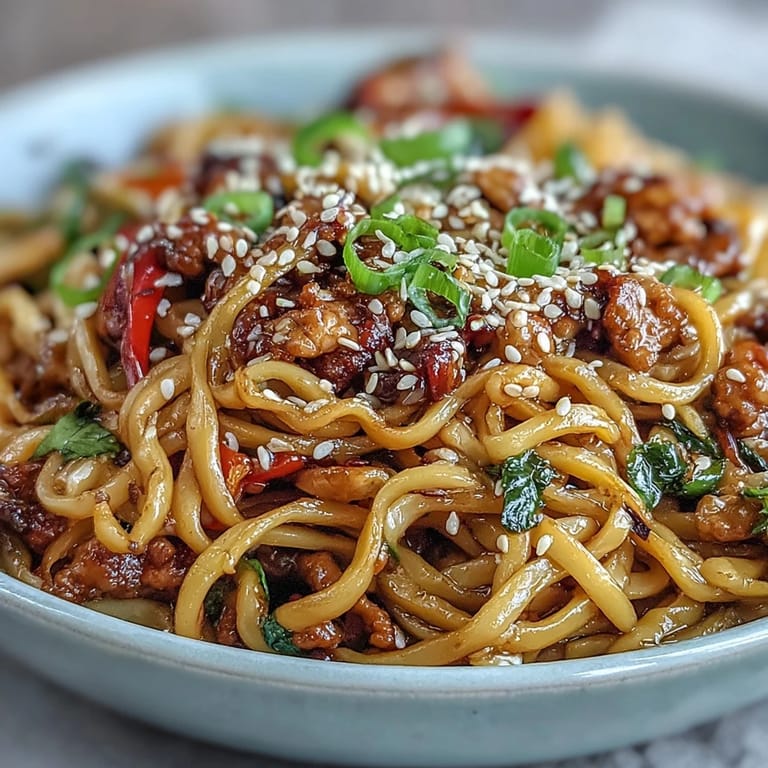
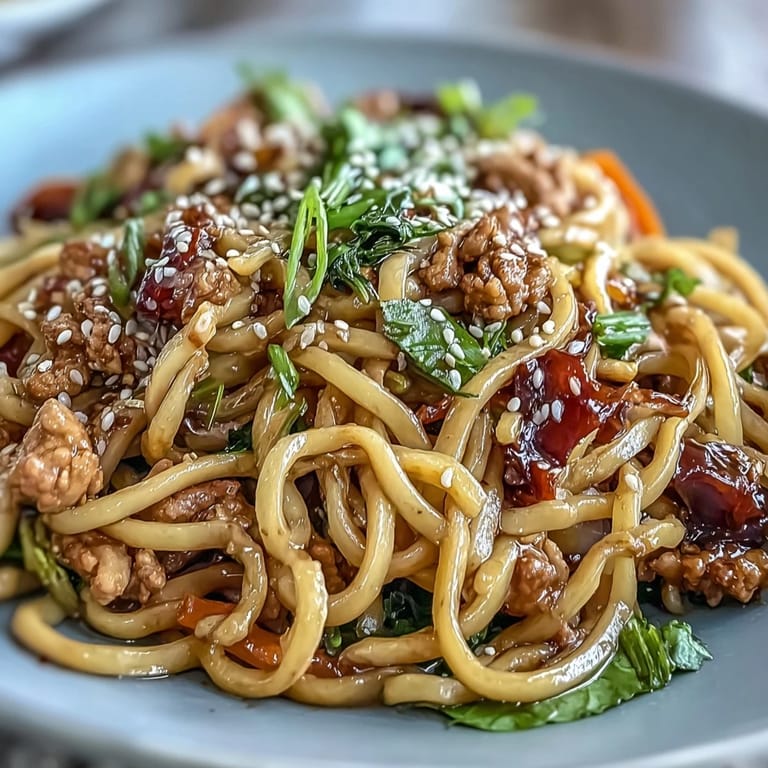
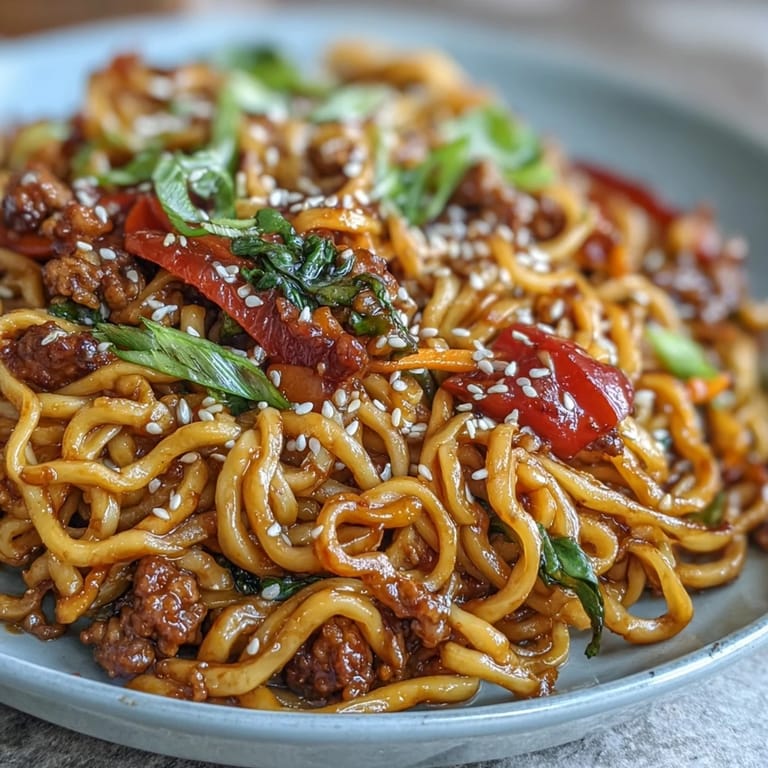
Save My neighbor brought over a container of these noodles one rainy Thursday, still steaming, and I was skeptical until that first bite hit—the sweet-spicy sauce clung to chewy noodles with ground turkey that had absorbed all that savory depth. She'd made it on a whim with what she had, and somehow it tasted like she'd been planning it for days. That night, I immediately asked for the loose inspiration and spent the next week perfecting my own version, learning that the magic wasn't in complexity but in the balance of heat, sweetness, and umami hitting all at once.
I made this for my roommate's study group once, quadrupled the recipe, and watched four stressed engineering students attack bowls like they'd been rationed food. One of them asked if I'd trained in Korea, which made me laugh because honestly, I'd just followed my gut and let the sauce do the talking. That moment taught me that food doesn't need a backstory to matter—it just needs to taste good and feel generous.
Ingredients
- Fresh or dried wheat noodles (300 g): Use fresh ramen or udon if you can find them—they have a bouncier texture that catches the sauce better than dried, but dried works just fine if that's what you've got.
- Soy sauce (3 tbsp): This is your salt anchor; cheap soy sauce tastes thin, so use something mid-range at least.
- Gochujang (2 tbsp): Korean chili paste with that deep fermented funk that makes everything taste intentional—store it in the fridge after opening and it lasts forever.
- Brown sugar (1 tbsp): Balances the chili heat and soy salt, making the sauce taste rounded instead of one-note.
- Rice vinegar (1 tbsp): Adds brightness that keeps the dish from feeling heavy, even with the richness of sesame oil.
- Sesame oil (1 tbsp): The expensive bottle is worth it here—cheap versions taste burnt, quality ones smell like toasted nuts and make you understand why it costs more.
- Ground turkey (400 g): Lean enough to not pool grease, but still flavorful if you brown it properly and don't skimp on the seasonings around it.
- Vegetable oil (2 tbsp): Split between cooking turkey and sautéing vegetables for better heat control.
- Garlic and ginger (3 cloves, 1 tbsp minced): Mince them fine and get them in the pan fast before they stick and turn bitter.
- Yellow onion, carrot, bell pepper, shiitake mushrooms: The vegetables should stay a little snappy, not mushy, so don't walk away once they hit the pan.
- Spring onions (4 total): Half goes in at the end for brightness, half garnishes so you get that fresh onion bite in every bite.
- Toasted sesame seeds (1 tbsp): Toast them yourself if possible—the difference between raw and toasted is the difference between bland and alive.
Tired of Takeout? 🥡
Get 10 meals you can make faster than delivery arrives. Seriously.
One email. No spam. Unsubscribe anytime.
Instructions
- Start your noodles first:
- Get water boiling and cook noodles until they're just shy of tender, following the package time but maybe drop it by a minute. Drain and rinse under cold water so they don't stick together into a solid block.
- Mix your sauce like you're not overthinking it:
- Whisk soy sauce, gochujang, brown sugar, rice vinegar, and sesame oil in a small bowl until smooth. Taste it straight from the spoon—it should make your mouth water, slightly spicy and sweet at once.
- Brown the turkey with intention:
- Heat 1 tbsp vegetable oil in your largest pan over medium-high heat until it shimmers, then add turkey and break it apart immediately. Let it cook for about 5 minutes, stirring occasionally, until there's no pink left and it's actually browned in spots, not just cooked through.
- Build flavor with aromatics:
- Push the turkey to the side, add the remaining oil, then add garlic and ginger. You'll smell it within 30 seconds—that's your signal to move fast before it burns.
- Stir-fry vegetables until they still have personality:
- Add onion, carrot, pepper, and mushrooms all at once. Keep them moving for 3 to 4 minutes—you want them tender but still with a little resistance when you bite, not collapsed.
- Bring it all together:
- Return turkey to the pan, add your cooked noodles and the sauce, then crank the heat up and toss everything for 2 to 3 minutes until the noodles are glossy and hot all the way through. This is the moment it transforms from ingredients into actual food.
- Finish with the fresh stuff:
- Stir in most of the spring onions, then divide into bowls. Top with sesame seeds and remaining spring onions so each bite has that sharp green edge.
 Save
Save My sister came home from a long shift one night, smelled this cooking, and just stood in the doorway for a minute before saying anything. She told me later that it was the first moment in days she'd thought about something other than work, and honestly, that's when I understood why this dish matters—it's one of those things that's too good to rush and too easy to make without thinking.
The Sweet and Spicy Balance That Makes It Work
Gochujang gets all the credit, but really it's the brown sugar and rice vinegar that make it sing. The sugar rounds out the chili's sharp heat so your mouth doesn't just burn—it tastes complex. The vinegar keeps everything from feeling heavy or one-dimensional, adding a snap that makes you want another bite.
Why Ground Turkey Instead of Chicken or Beef
Turkey sits in this perfect middle ground where it's lean enough to feel light but still has enough flavor to stand up to a bold sauce. I used to make this with chicken and it tasted a little timid, then switched to beef and suddenly it felt too rich for a weeknight. Turkey is the Goldilocks protein here—once you try it, other versions feel like compromises.
Make It Your Own
This is the kind of dish that begs for tinkering, so don't feel locked into my vegetable choices. Whatever's in your crisper drawer probably works fine as long as you respect cooking times—tougher vegetables like broccoli or snap peas need a bit longer, while leafy greens go in at the very end so they just barely wilt.
- Extra heat: add sliced fresh chili or a pinch of chili flakes, but remember you can always add more and never take it back.
- Umami boost: a splash of fish sauce or a sprinkle of dried seaweed pushes the savory depth even further.
- Texture: top with crispy fried onions, crushed peanuts, or nori strips for something that cracks between your teeth.
 Save
Save This is the kind of meal that sneaks into regular rotation without asking permission. Make it once and you'll find yourself craving it on random Tuesdays, knowing it takes less time than the phone call to order delivery.
Recipe FAQs
- → What makes this dish Korean-inspired?
The signature flavor comes from gochujang, a fermented Korean chili paste that adds sweet heat and umami depth. Combined with soy sauce, sesame oil, and rice vinegar, it creates an authentic Korean-style sauce that coats the noodles and turkey beautifully.
- → Can I use different types of noodles?
Absolutely. Udon and ramen work wonderfully, but you can also substitute soba noodles, rice noodles, or even spaghetti. Fresh noodles have the best bounce, but dried noodles cook up perfectly when prepared according to package directions.
- → How spicy is this dish?
The heat level is medium thanks to gochujang. For a milder version, reduce the gochujang to 1 tablespoon. To amp up the spice, add sliced fresh chilies, chili flakes, or increase the gochujang quantity to your taste preference.
- → What vegetables work best in this stir-fry?
The classic combination includes onion, carrot, bell pepper, and shiitake mushrooms. You can easily add or substitute with zucchini, snap peas, spinach, bok choy, or bean sprouts. Just adjust cooking times so softer vegetables don't overcook.
- → Can I make this ahead of time?
Yes, this dish reheats exceptionally well. Store in an airtight container in the refrigerator for up to 3 days. Reheat in a skillet over medium heat, adding a splash of water or extra sauce if the noodles seem dry. The flavors often develop even more overnight.
- → What protein alternatives can I use?
Ground chicken or beef work as direct substitutes. For a vegetarian version, try crumbled tofu, tempeh, or meat alternatives. You can also use sliced pork belly, shrimp, or thinly sliced beef—just adjust cooking time accordingly for your chosen protein.