 Save
Save There's something about a cake that comes together in a blender that feels like you're getting away with something delicious. My neighbor stopped by on a Wednesday afternoon with her daughter, both of them smelling like they'd been to the farmer's market, and I had exactly ten minutes to produce something that didn't look thrown together. I grabbed a container of Greek yogurt from the fridge, three eggs, and the brightest lemon I could find, and that's when I realized I'd never made anything quite this simple that turned out quite this good.
I've made this cake now through a whole season of visits—spring brunches where people arrived with strawberries, summer dinners where it paired with cold wine, and that one autumn morning when my daughter asked if we could make it before school instead of buying something from the bakery. She loved dumping ingredients into the blender and watching them swirl into a golden batter. That's when it stopped being just a recipe and became something we made together.
Ingredients
- Plain Greek yogurt (1 cup): This gives you moisture and tang without needing buttermilk or sour cream, and it keeps the crumb tender even days later.
- Large eggs (3): They bind everything together and add lift, so don't swap them out or skip them.
- Vegetable oil (1/2 cup): Use a neutral oil so the lemon stays the star, not the oil.
- Granulated sugar (1 cup): This sweetens the batter and balances the tartness from the yogurt and lemon juice.
- Lemon zest (from 2 lemons): Use a microplane to get fine, bright flecks that won't be harsh or bitter.
- Fresh lemon juice (1/4 cup): Always fresh, never the bottled kind, because it makes the whole flavor sing.
- Vanilla extract (1 teaspoon): A small amount that rounds out the flavor without announcing itself.
- All-purpose flour (1 1/2 cups): Measure by spooning into a cup and leveling off so you don't pack it too tight.
- Baking powder (2 teaspoons): This is what gives the cake its gentle rise and tender crumb.
- Salt (1/4 teaspoon): A small pinch that deepens the lemon flavor and balances sweetness.
- Powdered sugar (1/2 cup, optional for glaze): Whisked with lemon juice into a silky drizzle that looks simple but feels a little fancy.
Tired of Takeout? 🥡
Get 10 meals you can make faster than delivery arrives. Seriously.
One email. No spam. Unsubscribe anytime.
Instructions
- Get the oven ready and set up your pan:
- Heat your oven to 350°F and grease a 9x5-inch loaf pan generously or line it with parchment paper so the cake comes out cleanly. This takes two minutes and saves you so much frustration later.
- Blend the wet ingredients until smooth:
- Pour yogurt, eggs, oil, sugar, lemon zest, lemon juice, and vanilla into your blender and let it run for about thirty seconds until everything is pale and homogeneous. You'll hear the change in sound when the zest gets fully incorporated.
- Add dry ingredients and pulse gently:
- Sprinkle flour, baking powder, and salt over the wet mixture and pulse just three or four times until you don't see any dry streaks. Overmixing develops gluten and makes the cake tough, so be patient and stop when you're tempted to keep going.
- Pour and smooth the batter:
- Transfer everything into your prepared pan and use an offset spatula or the back of a spoon to level the top so it bakes evenly. A smooth top bakes to a gentle dome instead of a crater.
- Bake until golden and cooked through:
- Slide it into the oven for thirty-five to forty minutes until the top is golden and a toothpick inserted in the center comes out clean with maybe just a crumb or two. The kitchen will smell like lemon and butter even though there's no butter in it.
- Cool and prepare to glaze:
- Let it sit in the pan for ten minutes so it sets enough to turn out without crumbling, then run a knife around the edges and turn it out onto a wire rack to cool completely. Don't rush this step or it breaks apart.
- Make a simple glaze if you like:
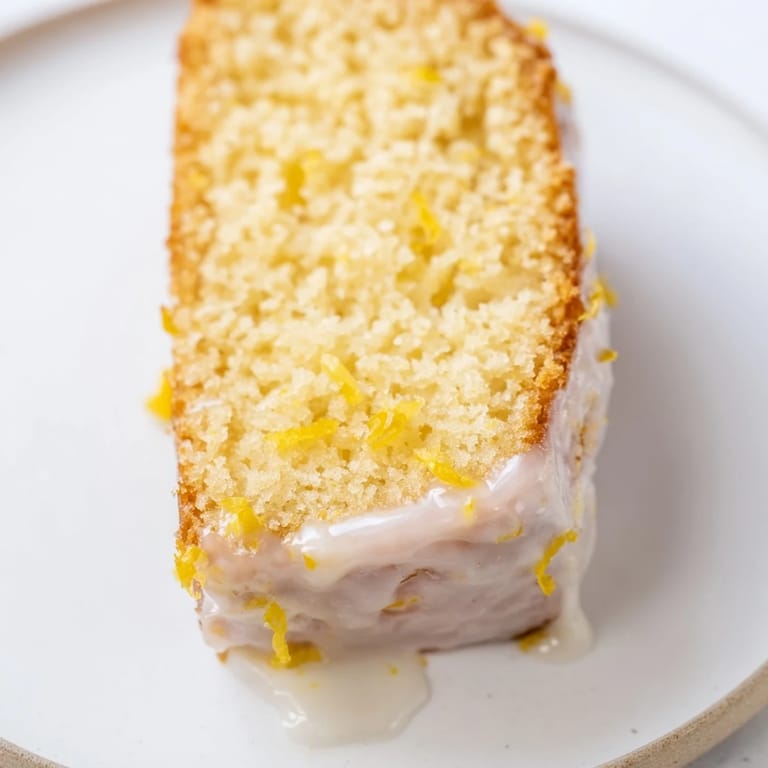
- Whisk powdered sugar with two to three teaspoons of lemon juice until it's smooth and pourable, then drizzle it over the cooled cake in loose zigzags. It sets to a thin, glossy finish that looks prettier than the cake tastes good, which is saying something.
 Save
Save I'll never forget the look on my friend's face when she tasted it and asked if I'd bought it from a bakery, then laughed when I told her the whole thing took less time than her drive home. That's the real magic of this cake—it tastes like you fussed over it when really you just trusted the blender and the oven to do the work.
Why This Cake Wins Every Time
The combination of Greek yogurt and oil creates a crumb that stays moist without ever feeling greasy or dense, which is a balance most cakes miss. You get that subtle tang that makes you reach for another slice even when you're full, and the lemon keeps the whole thing from feeling one-note or cloyingly sweet. It's elegant enough to serve to people you want to impress but casual enough to slice in the kitchen at midnight when you're sneaking a piece before bed.
When to Make This and What to Serve It With
This cake works for almost every occasion you can think of. I've made it for Easter brunch with berries piled on top, brought it to book club in the fall, and frozen slices for a quick breakfast when life gets chaotic. It pairs beautifully with Earl Grey tea because the bergamot and lemon are old friends, and a cold glass of Moscato makes it feel like you're at a garden party even if you're in your kitchen in the suburbs.
Small Tweaks That Make It Yours
The magic of this recipe is that it's a starting point, not a finish line. If you want brighter lemon flavor, add another half teaspoon of zest or a few drops of lemon extract, but go slowly because lemon can flip from bright to soapy if you're not careful. You can swap regular yogurt for Greek yogurt if that's what you have, though it will be slightly less tangy and you might want to drain it a bit first. Fresh berries, whipped cream, or a light dusting of powdered sugar all make it feel special without adding much work, and I've even made a lemon glaze by whisking powdered sugar with just enough lemon juice to make it silky instead of stiff.
- Add a pinch of poppy seeds to the batter for subtle texture and visual interest.
- Make it boozy with a splash of limoncello or Cointreau mixed into the glaze.
- Top each slice with a thin candied lemon wheel for elegance that takes five minutes to arrange.
 Save
Save Every time I make this cake, I'm reminded that the best recipes are the ones you make often and share easily. This one's become a constant in my kitchen, showing up when I need something fast but still feel proud to serve it.
Recipe FAQs
- → What makes the cake moist and tender?
The combination of Greek yogurt and vegetable oil helps retain moisture, creating a tender texture in the cake.
- → Can I substitute plain yogurt for Greek yogurt?
Yes, plain whole-milk yogurt can be used as a substitute, though the texture might be slightly less creamy.
- → How is the lemon flavor incorporated?
Lemon zest and fresh lemon juice are added to the batter, providing bright citrus notes throughout.
- → What baking pan size is recommended?
A 9x5-inch loaf pan is ideal for even baking and proper cake shape.
- → Can the glaze be omitted or replaced?
The lemon glaze adds a sweet citrus finish but can be omitted or replaced with fresh berries or whipped cream if preferred.
- → How to check if the cake is done?
Insert a toothpick into the center; if it comes out clean, the cake is fully baked.