 Save
Save I was setting up for a dinner party when I realized I'd forgotten to plan an appetizer. Standing in my kitchen, staring at a container of hummus and a box of crackers, something clicked—what if I stopped thinking of them as separate ingredients and turned the platter itself into art? The idea of building something that looked like it belonged in a gallery, not just on a table, suddenly felt urgent. Within minutes, I was spreading hummus in waves, standing crackers like canyon walls, and my guests would later tell me they hesitated before eating something so intentionally beautiful.
I'll never forget watching my friend Sarah lean in for a photo before grabbing the first cracker, and then everyone else stopped mid-conversation to pull out their phones. What started as a casual appetizer became the moment that defined the evening—not because the food was fancy, but because it proved that thoughtfulness and a little visual drama can transform something ordinary into memorable. That's when I understood this wasn't just about feeding people; it was about giving them something to look at and talk about before they even tasted it.
Ingredients
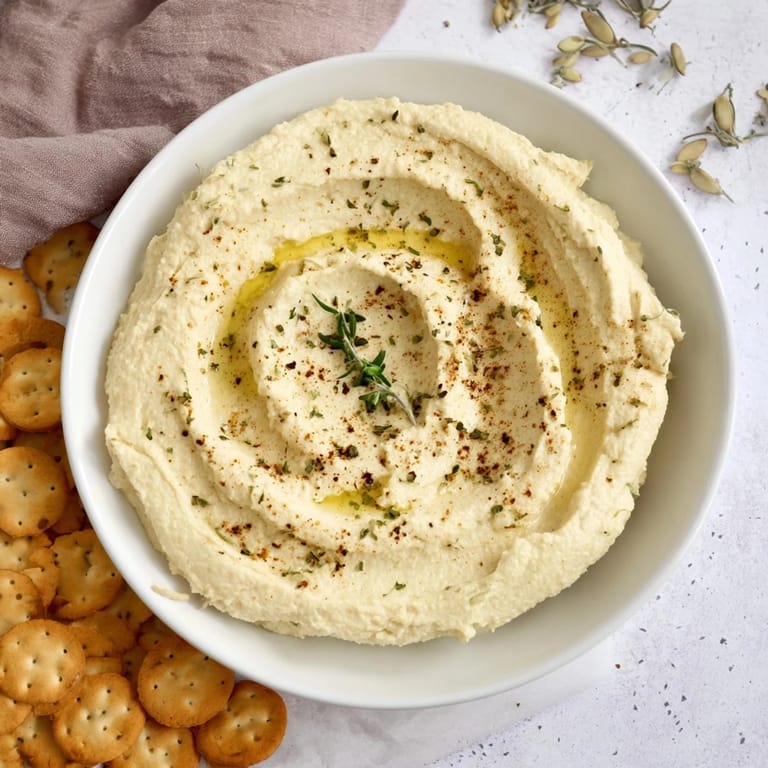
- Classic hummus (500g): The foundation deserves to be good—store-bought is perfectly fine, but if you have time, homemade hummus with fresh lemon and garlic will make this shine in ways that justify the extra effort.
- Smoked paprika (1 tsp): This ingredient changes everything, adding a subtle depth that whispers rather than shouts, transforming plain hummus into something with character.
- Extra-virgin olive oil (1 tbsp): Don't skip quality here; cheap oil feels flat against the other flavors, while good olive oil adds richness that makes people pause between bites.
- Ground cumin (1/2 tsp): A small amount goes a long way, warming the whole dish without overwhelming—it's the quiet voice that ties everything together.
- Cayenne pepper (1/4 tsp, optional): Add this only if you want a gentle heat that lingers; it's optional because not everyone enjoys that prickle, and forcing spice ruins the balance.
- Beige crackers (200g): Whole wheat, sesame, or water crackers work beautifully—the neutral color is intentional, letting the hummus layers be the star while crackers provide structure and contrast.
- Toasted sesame seeds (2 tbsp): Toast them yourself if you can; the difference between stale and fresh is the difference between a garnish and a flavor moment.
- Fresh parsley (2 tbsp, chopped): The green brings brightness and a whisper of herbaceousness that lifts the earthiness of chickpeas and spices.
- Lemon wedges (1 small lemon): Serve on the side and watch your guests discover that a squeeze of fresh lemon is the secret handshake this dish has been waiting for.
Tired of Takeout? 🥡
Get 10 meals you can make faster than delivery arrives. Seriously.
One email. No spam. Unsubscribe anytime.
Instructions
- Season the hummus:
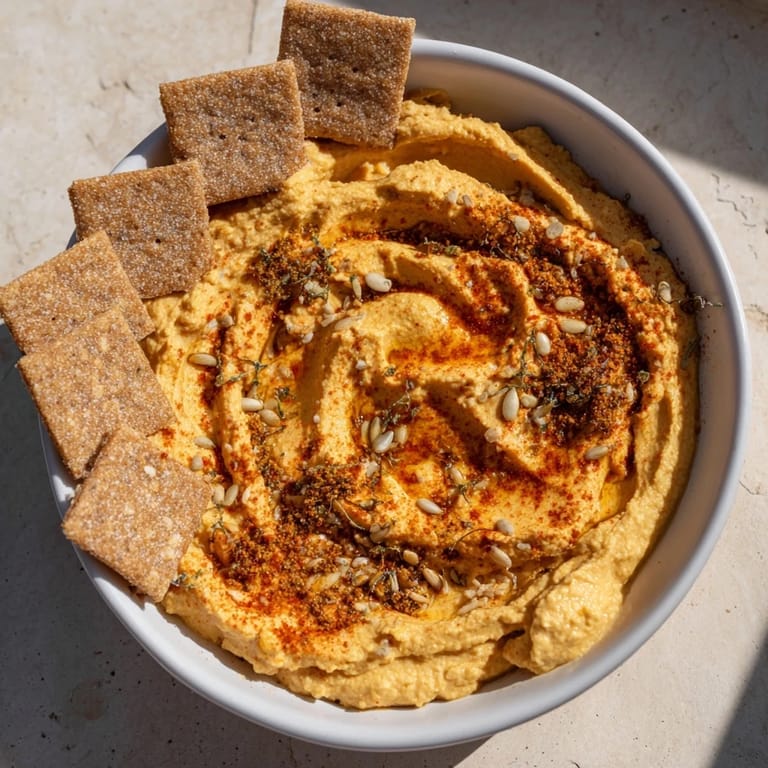
- Pour your hummus into a bowl and fold in the smoked paprika, olive oil, cumin, and cayenne pepper with a spatula, stirring until the color is even and the spices are fully incorporated. You'll notice the hummus deepens slightly in color and becomes fragrant—that's when you know it's ready.
- Create the canyon base:
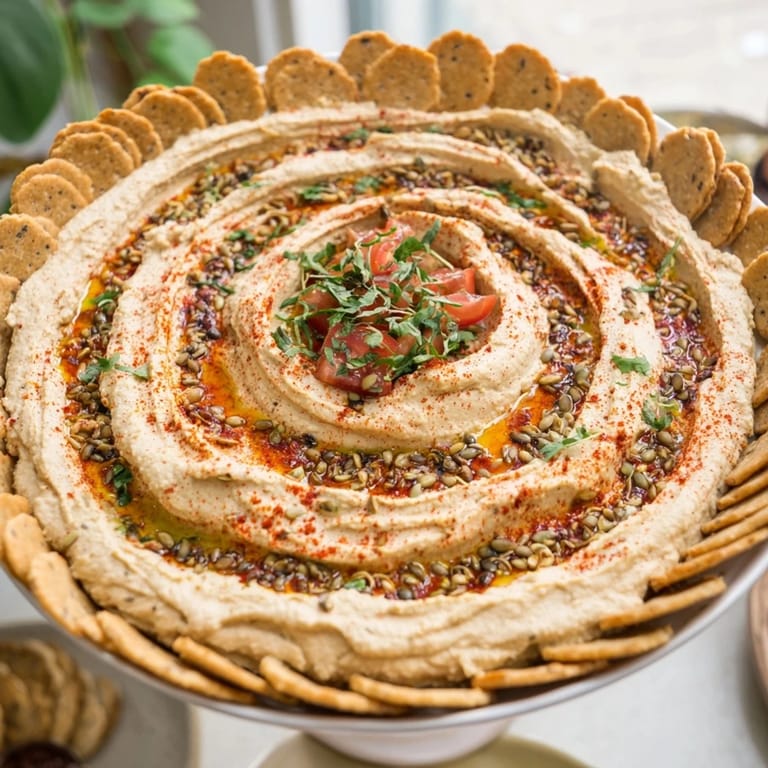
- Spread a thin layer of seasoned hummus across your serving platter in an intentional, wavy pattern, using your spatula to create gentle ridges and valleys that mimic a natural landscape. Don't overthink the shape; organic and slightly imperfect is more convincing than perfectly geometric.
- Build the canyon walls:
- Stand crackers upright into the hummus layer, following the contours you've created, spacing them close enough that they support each other but far enough apart that the hummus shows through. Slightly overlapping them adds texture and prevents the whole structure from shifting.
- Layer with intention:
- Spread another thin layer of hummus over the crackers, then add another row of upright crackers, repeating this pattern three to four times until you've built something with visible depth. Each layer should be slightly offset from the one below it, so the canyon effect becomes more dramatic as you build upward.
- Finish with garnish:
- Scatter toasted sesame seeds and fresh parsley across the top, concentrating them slightly more on the ridges where they catch light and draw the eye. This final step takes thirty seconds but transforms the whole presentation from interesting to stunning.
- Serve immediately:
- Arrange lemon wedges around the platter and bring it to the table while the hummus is still cool and the crackers still hold their snap. The moment between arrival and first bite is when people appreciate the craft.
 Save
Save My sister brought her kids to dinner one night, and I worried the youngest might be bored by what sounded like a hummus appetizer. Instead, she asked if she could help arrange the crackers, turning what could have been a simple snack into a moment where she felt like a real part of the meal—not just a kid eating, but someone creating something together with me. Food that engages people beyond their taste buds somehow becomes more nourishing.
The Science Behind the Layers
Stacking and alternating textures isn't just visual—it changes how your mouth experiences the flavors. The soft hummus coats your palate first, delivering warmth and earthiness, while the cracker arrives next, crumbing slightly and breaking the hummus's hold on your taste buds so you're tasting spice and salt as distinct notes rather than one blended sensation. This interplay is why eating it in layers tastes different than eating plain hummus with crackers on the side—it's the architecture that makes the flavor.
Variations That Still Work
Once you understand the structure, you can play with flavors without losing the effect. Swirling roasted red pepper hummus or sun-dried tomato variations between layers adds color complexity that deepens the canyon aesthetic. I've also added thin layers of labneh (strained yogurt) between hummus layers for tanginess, or scattered toasted chickpeas and diced cucumber for extra crunch that invites people to dig deeper. The format stays the same; only the colors and textures shift, giving you endless reasons to make this again.
Why This Works for Every Occasion
Whether you're hosting a formal dinner or a casual gathering, this appetizer reads as thoughtful without demanding hours in the kitchen. It's vegetarian and easily vegan, sits well on a table without spoiling for thirty minutes, and gives your guests something unexpected the moment they walk into the room. The beauty is that the same recipe works equally well for a small weeknight snack or feeding twelve people—it simply scales.
- If you're short on time, buy quality pre-made hummus instead of making it from scratch and no one will notice the difference.
- Toast your own sesame seeds five minutes before assembling; the aroma is worth that small effort.
- Always serve lemon wedges on the side because the final squeeze of brightness is what makes people ask for the recipe.
 Save
Save This dish reminds me that some of the best things we offer people aren't complicated—they just require seeing ordinary ingredients differently. The hummus and crackers were always delicious, but layering them with intention transforms them into something that nourishes both hunger and the eye.
Recipe FAQs
- → How do I create the layered texture?
Spread hummus in wavy ridges on a platter, then stand crackers upright following the waves to resemble canyon walls, alternating layers for depth.
- → Can I adjust the spice level?
Yes, add or omit cayenne pepper based on your desired heat. Smoked paprika and cumin add warmth without overpowering.
- → What are good garnish options?
Toasted sesame seeds and chopped parsley add texture and freshness. Lemon wedges provide a zesty finish.
- → Is this suitable for a vegan diet?
Yes, use vegan-friendly crackers and hummus to ensure the dish meets vegan requirements.
- → How long does it take to prepare?
The layered dish assembles quickly, requiring about 15 minutes without any cooking.
- → What tools are needed for assembly?
A large serving platter and spatula or offset knife are helpful for shaping hummus into ridges and layering crackers.