 Save
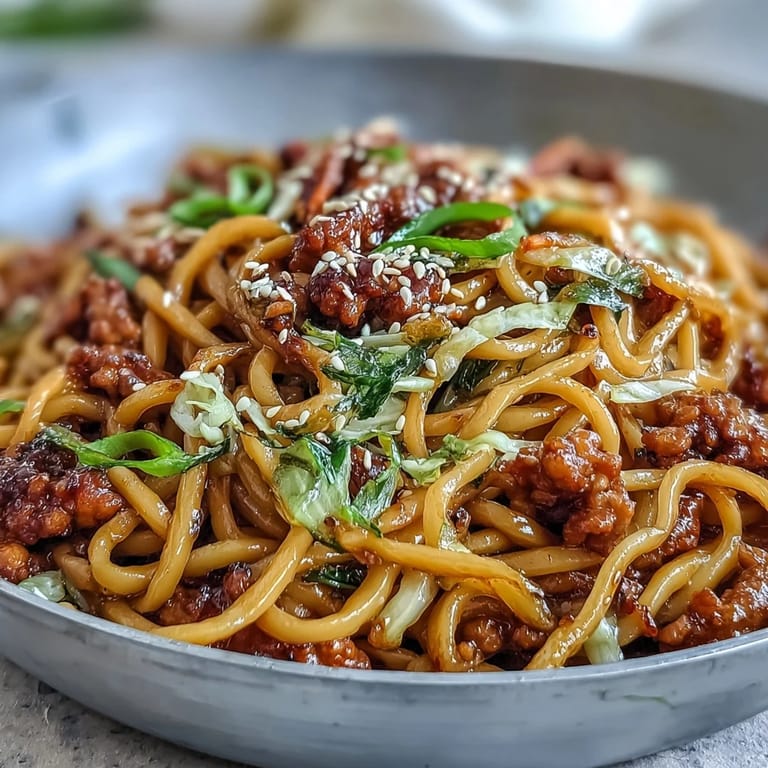
Save My friend Sarah showed up one weeknight with a jar of gochujang and a mission to teach me something beyond my usual rotation of weeknight dinners. She dumped ground turkey into my largest skillet, added vegetables with the confidence of someone who'd made this a hundred times, and suddenly my kitchen smelled like garlic, sesame, and something I couldn't quite name but desperately wanted to understand. Within thirty minutes, we were eating noodles tossed in this glossy, spiced sauce that somehow felt both comforting and exciting. I've made it dozens of times since, and it's become my go-to when I need dinner on the table fast but don't want it to feel rushed.
I made this for my coworkers at a potluck last spring, and it disappeared faster than anything else on the table, which surprised me because I thought it might be too adventurous for a crowd. People kept asking what made it taste the way it did, and I loved explaining that bright balance between salty, spicy, sweet, and the warmth of sesame that comes through at the end. That moment taught me that comfort food doesn't have to be boring, and sometimes the best dishes are the ones that introduce people to flavors they didn't know they were missing.
Ingredients
- Ground turkey: Choose a blend with a little fat (about 85/15) so it browns beautifully and doesn't dry out during cooking; if you only have very lean turkey, add a touch of oil to compensate.
- Fresh or dried wheat noodles: Udon or ramen work perfectly here, but even spaghetti works in a pinch, and fresh noodles cook faster if you're in a real hurry.
- Shredded carrots: They add natural sweetness and a pleasant crunch that holds up beautifully through the stir-fry.
- Red bell pepper: The sweetness balances the heat from the gochujang, and the color makes the whole dish feel less monochromatic.
- Small onion: Slice it thin so it cooks down quickly and distributes its mild bite throughout the dish.
- Napa cabbage: This is what takes the dish from good to really satisfying; it wilts slightly but keeps some texture, and it soaks up that sauce like nothing else.
- Green onions: Use them both during cooking and as garnish because they add brightness at different stages.
- Soy sauce: This is your base, the thing that makes it taste savory and grounded.
- Gochujang: Korean chili paste, the star ingredient that gives you umami and heat without harshness; find it in any Asian market or online, and keep a jar on hand for everything.
- Sesame oil: A little goes a long way, so don't skip this, and use it at the end rather than cooking with it to preserve its nutty flavor.
- Brown sugar: Just a touch to round out the flavors and mellow the spice.
- Garlic and ginger: Minced fresh garlic and ginger are not optional here; they're what make this taste alive and present.
- Rice vinegar: This keeps everything from feeling too heavy and adds a subtle tang.
- Toasted sesame seeds: Sprinkled on top, they add a final layer of nutty richness and make the dish look intentional.
Tired of Takeout? 🥡
Get 10 meals you can make faster than delivery arrives. Seriously.
One email. No spam. Unsubscribe anytime.
Instructions
- Make your sauce first:
- Whisk soy sauce, gochujang, sesame oil, brown sugar, minced garlic, rice vinegar, and ginger together in a small bowl. This way you're not scrambling when everything's cooking, and you can taste it to make sure it hits the balance you want.
- Get the noodles ready:
- Cook them according to package directions, then drain and rinse under cold water so they don't stick together. Setting them aside in a separate bowl keeps you organized and prevents them from overcooking while you handle the turkey and vegetables.
- Brown the turkey:
- Heat your skillet over medium-high heat with just a drizzle of oil, then add the ground turkey and break it apart with a spatula as it cooks for about four to five minutes. You want it cooked through but not gray and sad; it should have some color and texture.
- Add the harder vegetables first:
- Toss in the onion, carrots, and bell pepper and stir-fry for two to three minutes until they're starting to soften but still have some life to them. This timing matters because you want everything to finish cooking at the same moment.
- Bring the cabbage in:
- Add your shredded Napa cabbage and stir for another two minutes; you'll see it wilt down considerably, which means it's absorbing all those flavors.
- Pour in the sauce:
- Add your prepared sauce and toss everything together, making sure the turkey and vegetables are evenly coated. The whole mixture will smell incredible at this point, and you'll want to taste it on a spoon to check the heat level.
- Toss in the noodles:
- Add your cooked noodles and stir-fry for another two to three minutes until everything is heated through and the noodles are glossy with sauce. If it feels dry, you can add a splash of water, but usually the sauce clings perfectly to the noodles.
- Finish and serve:
- Remove from heat, top with toasted sesame seeds and extra green onions if you have them, and serve immediately while everything's still steaming.
 Save
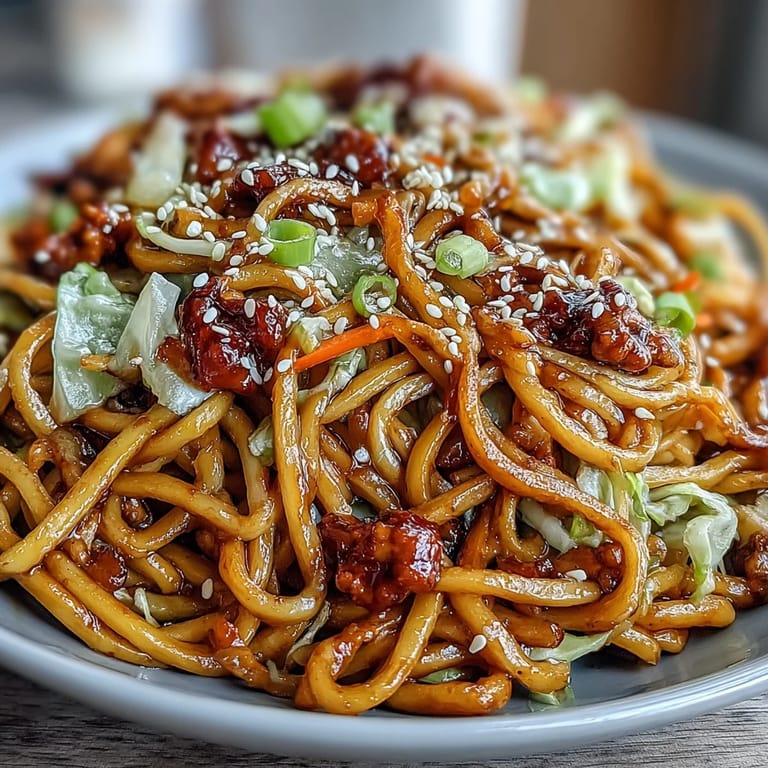
Save My kid, who usually pushes vegetables around her plate like they personally offended her, actually asked for seconds and wanted to know what made it taste "spicy but not mean." That question stuck with me because it perfectly describes what gochujang does: it brings heat and depth without any of the harsh burn of plain chili powder. That moment when a picky eater becomes a fan of your cooking is a small kind of magic.
Why Gochujang Changed My Weeknight Cooking
Before I understood gochujang, my stir-fries felt one-note, like I was just combining ingredients rather than creating something with personality. This Korean chili paste has this fermented complexity that makes everything taste deeper and more intentional, and once I realized it was an ingredient I could keep on hand, my whole approach to quick dinners shifted. It's become one of my essential pantry staples, right up there with good soy sauce and sesame oil.
Customizing This Dish to Your Mood
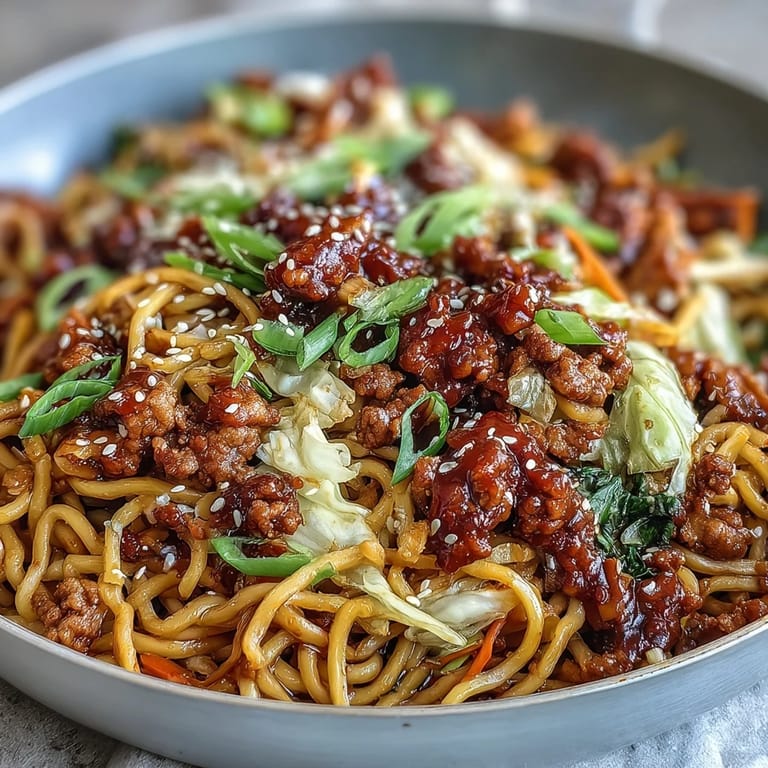
The beauty of this recipe is that it's a framework rather than a rigid formula, so you can swap vegetables depending on what's in season or what you're craving. I've made it with broccoli when I needed something heartier, with snap peas when I wanted more crunch, and even with spinach when I was trying to sneak in extra greens. The turkey and sauce stay the same, but the vegetables can be whatever keeps you excited about eating it.
Making It Your Own
Once you've made this a few times, you'll start to understand how each component works and feel confident adjusting the heat level, the sweetness, even the noodle choice based on what sounds good that particular day. I've added a splash of rice wine when I wanted it richer, served it over cauliflower rice when I was going low-carb, and even used it as a filling for lettuce wraps when I had a crowd and wanted something lighter. The dish has taught me that flexibility in the kitchen is just as important as following the recipe perfectly.
- If you love serious heat, gochugaru (Korean chili flakes) sprinkled on top at the very end gives you that extra kick without changing the base flavor.
- Toasted sesame seeds can be made at home by warming them gently in a dry pan for a minute or two, which makes them taste even richer and fresher than store-bought.
- Leftovers reheat beautifully in the microwave, and sometimes the flavors deepen even more overnight, making this one of those recipes that gets better as a leftover.
 Save
Save This dish has become the dinner I make when I want to feel like I've actually cooked something interesting but don't have hours to spend in the kitchen. It's the kind of meal that tastes like you put in real effort while keeping your evening peaceful and unhurried.
Recipe FAQs
- → What type of noodles work best?
Fresh udon or ramen noodles work beautifully, but dried wheat noodles, lo mein, or even spaghetti make excellent substitutes. Cook according to package instructions until just tender.
- → Can I make this less spicy?
Reduce the gochujang to 1 tablespoon or substitute with a mild Korean bean paste. You can also add a teaspoon of honey or additional brown sugar to balance the heat.
- → How do I store leftovers?
Store in an airtight container in the refrigerator for up to 3 days. Reheat in a skillet with a splash of water or broth to refresh the noodles and prevent sticking.
- → What protein alternatives can I use?
Ground chicken, beef, or pork work equally well. For a vegetarian version, use crumbled tofu or add shelled edamame for protein while keeping the same delicious sauce.
- → Can I prepare the sauce ahead?
Absolutely. Mix the sauce ingredients and store in a sealed jar in the refrigerator for up to 2 weeks. The flavors meld beautifully over time, making it even more delicious.