 Save
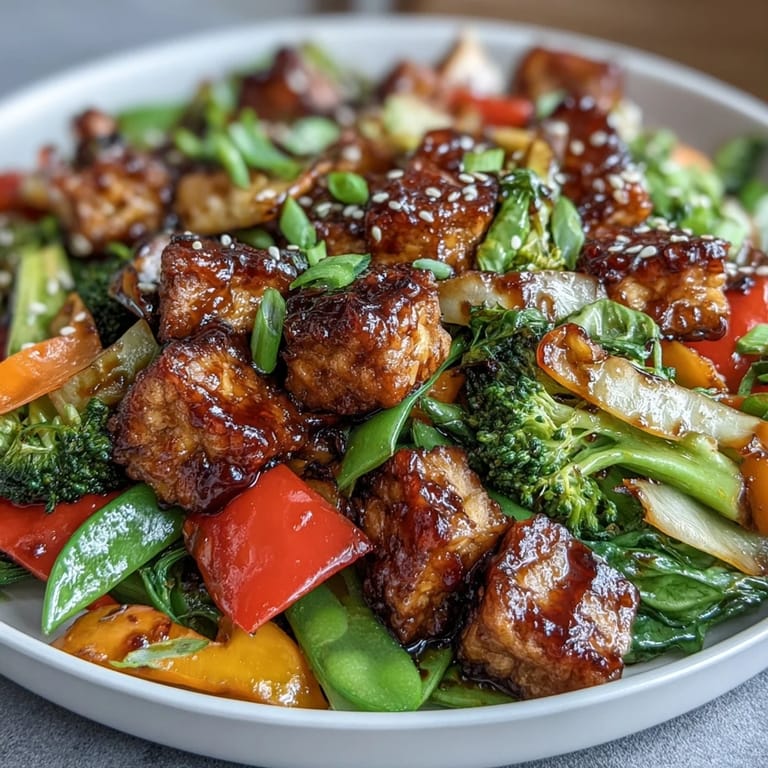
Save There's a particular Tuesday evening I keep coming back to when I think about this stir-fry—the kind of day where everything felt rushed but somehow turned golden anyway. My partner wandered into the kitchen while I was cubing tempeh, suspicious at first (tempeh skeptic, let's say), but by the time those nutty cubes hit the wok and started turning crispy, the whole apartment smelled like something was worth believing in. That's when I learned that tempeh isn't something to work around—it's the unexpected star that makes weeknight dinner feel intentional.
I made this for a small dinner party once, back when I was trying to impress people who didn't eat meat but also didn't want to feel like they were sacrificing anything. Someone asked for the recipe halfway through the first bite, which never happens—people usually wait until they're being polite at the end. That's when I realized this dish has this quiet confidence about it, the kind that doesn't need to announce itself.
Ingredients
- Tempeh, 250g cut into 1 cm cubes: This is your protein, and the cube size matters because it lets each piece get golden and crispy on the outside while staying tender inside—too small and it falls apart, too large and it won't cook through evenly.
- Red and yellow bell peppers, sliced: The colors aren't just pretty; they add sweetness and substance that balances the nutty tempeh and savory sauce.
- Carrot, julienned: Cut into thin matchsticks so it cooks quickly and gives little bursts of sweetness throughout each bite.
- Sugar snap peas and broccoli florets, 100g each: These keep their snap and structure even with high heat, which is exactly what you want in a stir-fry.
- Spring onions, sliced, and garlic and ginger, minced: The aromatic trio that hits the oil first and wakes up everything that follows.
- Soy sauce, 3 tbsp (tamari if gluten-free): The savory backbone that ties every component together.
- Rice vinegar, 1 tbsp: A gentle acid that prevents the sauce from tasting flat or one-dimensional.
- Maple syrup or agave, 1 tbsp: Just enough sweetness to round out the flavors without making this feel dessert-like.
- Toasted sesame oil, 1 tsp: Use the real stuff—the toasted kind has a depth that regular sesame oil doesn't reach.
- Cornstarch, 1 tsp: This tiny amount thickens the sauce so it actually clings instead of pooling at the bottom of the wok.
- Vegetable oil, 2 tbsp: High heat oil for tempeh and the final stir-fry work.
- Sesame seeds and cilantro, optional: Finishing touches that add texture and a fresh herbal note if you want them.
Tired of Takeout? 🥡
Get 10 meals you can make faster than delivery arrives. Seriously.
One email. No spam. Unsubscribe anytime.
Instructions
- Make the sauce first:
- Whisk together soy sauce, water, rice vinegar, maple syrup, sesame oil, and cornstarch in a small bowl and set it aside—this way you're not scrambling while everything's cooking at high heat. The cornstarch needs a moment to dissolve into the liquid, so stirring it together early makes the final toss smooth and even.
- Toast the tempeh:
- Heat one tablespoon of oil in a large wok or skillet over medium-high heat, then add your tempeh cubes and let them sit for a minute or two before stirring—this gives them a chance to develop that golden, nutty crust. You'll hear the sizzle soften as they cook, which is your signal that they're developing flavor rather than just heating through.
- Bloom the garlic and ginger:
- Add the remaining oil, then immediately add minced garlic and ginger, stirring constantly for about thirty seconds until the kitchen smells like something alive and spiced. Don't let it sit too long or it'll burn and turn bitter.
- Build the vegetable layer:
- Toss in the bell peppers, julienned carrot, sugar snap peas, and broccoli florets, stirring frequently for four to five minutes until the vegetables are tender but still have a bit of resistance when you bite down. The broccoli will change color first, darkening slightly at the edges.
- Bring it all together:
- Return the tempeh to the wok, give your sauce a quick stir to recombine (the cornstarch might have settled), and pour it in while tossing constantly. Cook for another minute or two until the sauce thickens and everything is glistening and evenly coated.
- Finish and serve:
- Remove from heat, toss in the sliced spring onions, and top with sesame seeds and cilantro if you're using them. Serve hot over jasmine rice, soba noodles, or whatever you have on hand.
 Save
Save There was a moment during that dinner party when someone quietly admitted they'd been avoiding tempeh for years because they assumed it was one of those foods you eat to feel virtuous rather than because it tastes good. Watching them understand that those two things could be the same thing—that's when I realized recipes like this one matter in a way that goes beyond just feeding people.
The Tempeh Question
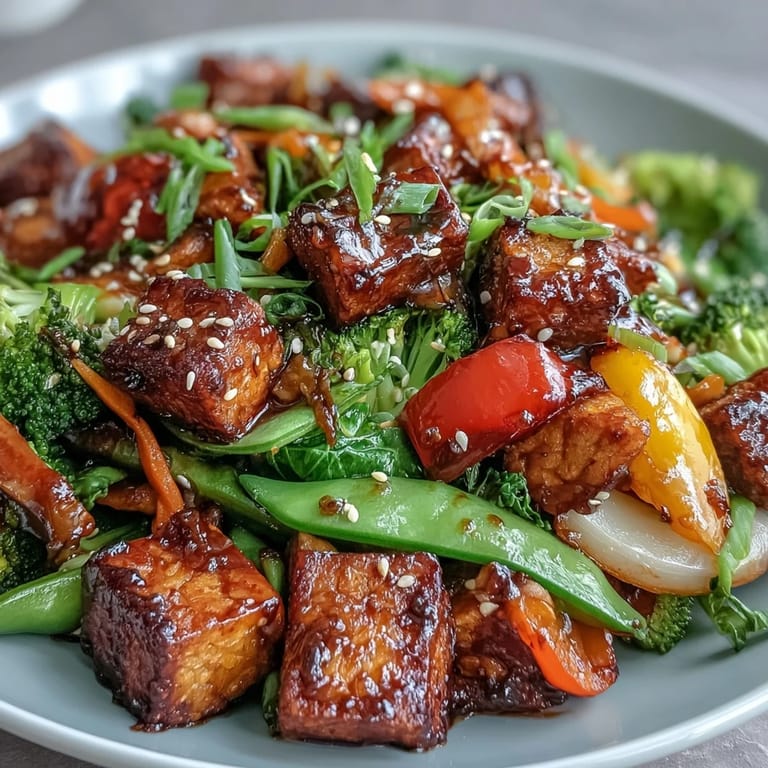
Tempeh gets overlooked sometimes in favor of tofu, but it's actually the better choice for stir-frying because it has more structure and a nuttier flavor that stands up to bold sauces. If you've only had it in uninspired forms before, this recipe is a chance to understand what people are excited about—the key is giving it enough time in the heat to develop a crust. Think of it less like an ingredient you're trying to sneak past people and more like a base note that everything else plays against.
Vegetables as Canvas
The vegetable selection here isn't arbitrary; each one brings something different to the table—the peppers add sweetness and body, the carrots give earthiness, the snap peas contribute that textural contrast, and the broccoli adds substance. But this is also one of those recipes where you can swap things around based on what's at the market or what you're craving—add mushrooms for umami, toss in some baby corn for crunch, throw in zucchini if you want something lighter. The sauce is forgiving enough to handle whatever vegetables make sense to you.
Building Flavor Layers
What makes this stir-fry sing is how the sauce isn't trying to do everything on its own—it relies on the tempeh being crispy, the garlic and ginger hitting the oil first, and the vegetables staying just slightly underdone so they hold their own character. The maple syrup or agave keeps things balanced, and the rice vinegar makes sure nothing tastes muddy or one-note. This is one of those dishes where patience in preparation pays off in every bite.
- Taste the sauce on a spoon before you add the vegetables and adjust for salt or sweetness—it should make you pause and take notice.
- If you want heat, add chili flakes or sriracha to the sauce before you cook, not after, so the flavors meld.
- Cook the vegetables until they're barely tender so they don't go soft and forgettable.
 Save
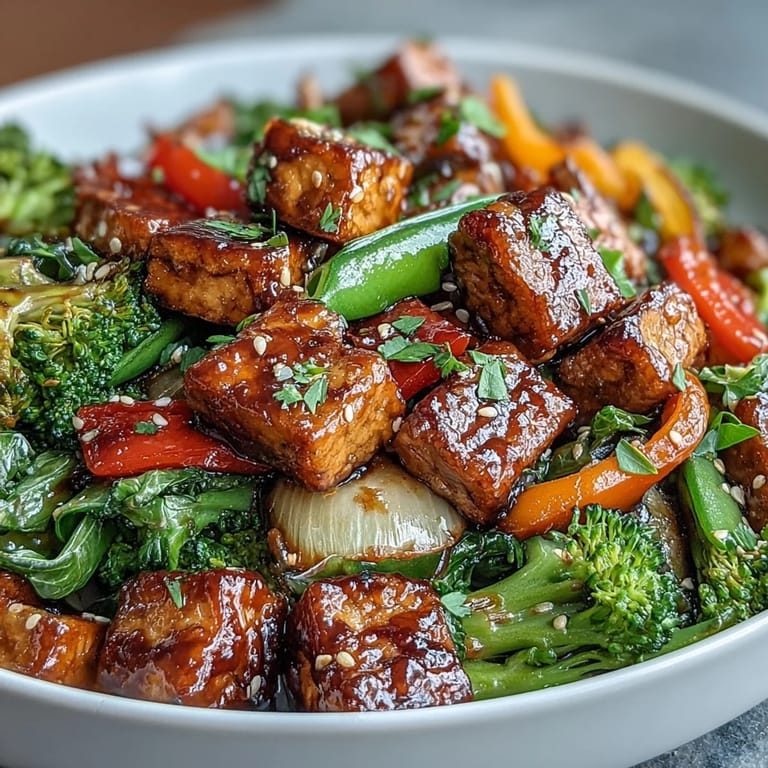
Save This is the kind of recipe that becomes a regular in your rotation without you planning for it to—just one of those things you keep coming back to because it works, tastes good, and somehow manages to feel both simple and intentional. Make it enough times and you'll stop following the measurements so closely, which is when you'll know it's truly yours.
Recipe FAQs
- → Can I substitute tempeh with tofu?
Yes, firm tofu works well as a substitute. Press it first to remove excess water, then cube and cook similarly to the tempeh. Cooking time may vary slightly depending on tofu firmness.
- → What other vegetables can I add?
Mushrooms, baby corn, zucchini, bok choy, or snow peas make excellent additions. Use whatever seasonal vegetables you have on hand, keeping pieces similarly sized for even cooking.
- → How can I make this gluten-free?
Simply replace regular soy sauce with tamari or coconut aminos. All other ingredients are naturally gluten-free, making this an easy dietary adjustment.
- → Can I prepare this ahead?
You can chop vegetables and whisk the sauce up to a day in advance. Store them separately in airtight containers in the refrigerator. Cook everything just before serving for the best texture and flavor.
- → What should I serve with this stir-fry?
Steamed jasmine rice, brown rice, or soba noodles are classic accompaniments. For a lighter option, serve over cauliflower rice or enjoy on its own as a protein-rich main course.
- → How do I store leftovers?
Store in an airtight container in the refrigerator for up to 3 days. Reheat gently in a skillet or microwave, adding a splash of water if the sauce has thickened too much.