 Save
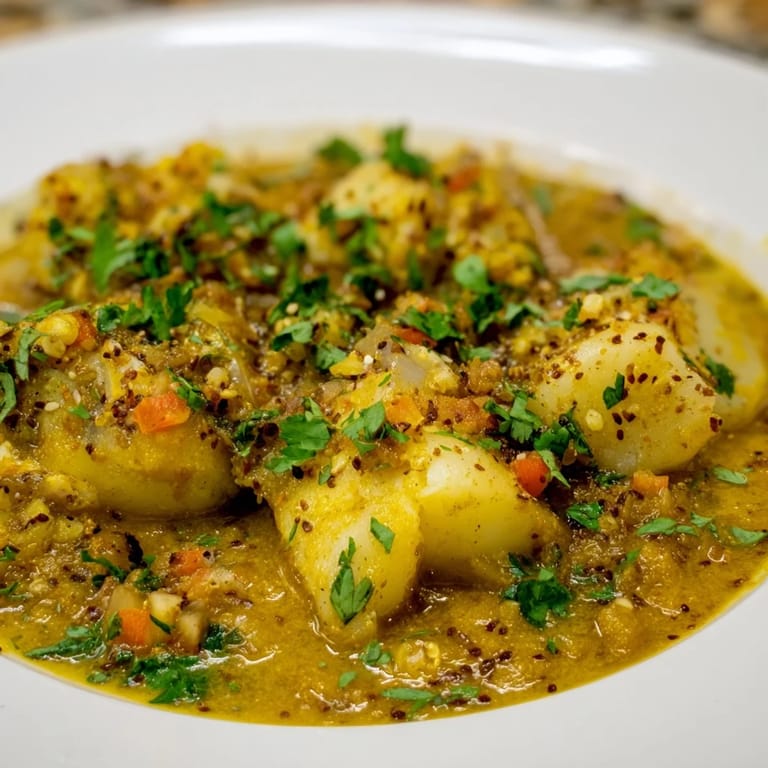
Save The first time I made Bahraini fish curry, I was standing in my kitchen on a grey afternoon, following my neighbor's hurried instructions while she gestured with her hands still wet from washing vegetables. She described it as the kind of dish that tastes like comfort but feels like celebration, and I understood why the moment that first spoonful of tender fish met the golden coconut sauce. There's something about the way the spices bloom in oil—cinnamon, cardamom, coriander all at once—that fills your kitchen with a warmth that has nothing to do with the stove.
I made this for my sister one Sunday when she mentioned craving something neither heavy nor complicated, and watching her eyes close after that first bite told me everything. She asked for the recipe before she'd even finished her plate, which might sound silly, but it felt like the highest compliment a cook could receive. Now whenever I'm cooking for someone I want to impress without seeming like I'm trying, this is my quiet secret weapon.
Ingredients
- Firm white fish fillets (cod, snapper, or hammour), 600g: Cut into large chunks so they stay intact during the gentle simmer; smaller pieces will fall apart and muddy your sauce.
- Salt and ground turmeric: This pre-seasoning step isn't just flavor—it draws out moisture and helps the fish firm up, so don't skip the ten-minute rest.
- Vegetable oil, 2 tbsp: Use something neutral; you want the spices and coconut to shine, not compete with sesame or olive notes.
- Large onion: Finely chopped onions dissolve into the sauce and create a silky base; don't rush this part of the cooking.
- Garlic and fresh ginger: Mince the garlic fine and grate the ginger so they distribute evenly through the sauce without creating tough little bits.
- Green chilies, 1–2: These add heat and freshness, but slice them thin so the flavor spreads throughout; whole chilies would feel aggressive in your mouth.
- Tomatoes, 2: Fresh or canned, chopped to release their juice into the curry; they add brightness and body to the sauce.
- Ground coriander, cumin, cinnamon, black pepper, paprika, and cardamom: Toast these mentally as you measure them out—this combination is what transforms simple fish into something memorable, so use fresh spices if you can.
- Coconut milk, 400ml: Full-fat coconut milk creates a richer sauce; use the thin stuff if you must, but add less water to compensate.
- Water and lemon juice: The water keeps the sauce pourable, and lemon juice at the end wakes up all those sleepy spices.
- Fresh coriander (cilantro): Chopped and scattered at the very end, this green note keeps the dish from feeling heavy.
Tired of Takeout? 🥡
Get 10 meals you can make faster than delivery arrives. Seriously.
One email. No spam. Unsubscribe anytime.
Instructions
- Prepare and season the fish:
- Pat your fish pieces completely dry with paper towels—moisture is the enemy of tender fish. Toss with salt and turmeric, then let them sit for ten minutes while you gather the rest of your ingredients; this resting time actually matters.
- Build your aromatics base:
- Heat oil in your pan over medium heat and add the chopped onion, stirring occasionally until it turns golden and soft, about five to seven minutes. You'll know it's ready when it's nearly translucent and smells sweet rather than sharp.
- Wake up the spices:
- Stir in minced garlic, grated ginger, and sliced green chilies, cooking just until fragrant—about one minute. If you cook this longer, the garlic will start to brown and taste bitter, so watch carefully.
- Add the tomatoes:
- Chop your tomatoes and add them to the pan, stirring and letting them cook down for three to four minutes until they've softened and released their juice into the oil and aromatics.
- Toast the spice blend:
- Sprinkle in all your ground spices—coriander, cumin, cinnamon, pepper, paprika, and cardamom—stirring constantly for one to two minutes so they toast slightly and distribute evenly. Your kitchen should smell absolutely incredible at this point.
- Create the curry sauce:
- Pour in the coconut milk and water slowly, stirring gently to combine everything into a cohesive sauce. Bring it to a gentle simmer, not a rolling boil, because you want to treat the fish kindly.
- Add and poach the fish:
- Gently slide your seasoned fish pieces into the simmering curry, nestle them into the sauce, and cover the pan. Simmer gently for twelve to fifteen minutes, until the fish is cooked through and flakes easily when you press it lightly with a fork.
- Finish and balance:
- Taste your curry and adjust the seasoning with salt and the juice of half a lemon—the acid brightens everything and keeps it from tasting one-dimensional. Don't hold back on the lemon.
- Garnish and serve:
- Scatter fresh chopped coriander over the top just before serving, and bring it to the table hot with steamed basmati rice or warm flatbread alongside.
 Save
Save The magic of this dish isn't in any single ingredient but in the moment when everything in the pan comes together—when you watch the sauce turn that burnished golden color and realize you've created something that tastes nothing like the sum of its parts. It's the kind of cooking that feels like small magic, the kind worth doing again and again.
The Spice Story Behind Bahraini Curry
Bahraini cooking sits at the intersection of Indian, Persian, and Arab cuisines, which you can taste immediately in the spice blend—cardamom and cinnamon whisper of Persian influence, while cumin and coriander speak to Indian traditions. The coconut milk tells the story of ancient trade routes and access to Southeast Asian goods, all converging in a single pot. Understanding this history doesn't change how you cook it, but it does make the dish feel less like a recipe and more like edible history.
What Makes Fish Tender and Silky
The secret to fish that doesn't turn into rubber is respecting its delicate nature—this means medium heat, a covered pan to trap steam, and a time that lets it cook through without any aggressive heat. The acid in the lemon juice actually helps the fish stay tender by gently breaking down proteins rather than aggressively drying them out like high heat would. Think of it as cooking with patience instead of force, and the fish will reward you with a texture that's almost buttery.
Serving and Pairing Ideas
This curry is best served immediately over steamed basmati rice or alongside warm flatbread that you can tear and use to scoop up the silky sauce. A simple cucumber and tomato salad on the side cuts through the richness beautifully, and a squeeze of fresh lemon juice at the table lets everyone adjust the brightness to their taste. Some people swear by adding a dollop of yogurt on the side, though that technically breaks the dairy-free part of the equation.
- If you have leftovers, the curry actually tastes better the next day once all the spices have mingled overnight.
- You can absolutely swap the fish for large shrimp or firm tofu without changing any cooking times.
- A pinch of saffron stirred in at the very end adds an almost floral note that feels unexpectedly luxurious.
 Save
Save Every time I make this dish, I'm transported back to that grey afternoon in my kitchen, but the beauty is that it creates its own memories—different each time, for whoever's lucky enough to be eating it. That's the real power of a recipe like this.
Recipe FAQs
- → What type of fish works best for this dish?
Firm white fish like cod, snapper, or hammour are ideal as they hold their texture well during simmering.
- → Can I adjust the spice level?
Yes, the amount of green chilies can be modified to suit milder or spicier preferences.
- → What can be served alongside this dish?
Steamed basmati rice, Bahraini ghoozi rice, or warm flatbread complement the rich coconut sauce nicely.
- → Is it possible to replace fish with other proteins?
Shrimp or firm tofu can be substituted to create pescatarian or vegetarian variations with a similar flavor profile.
- → How are the spices balanced in the cooking process?
Ground spices are toasted with aromatics before adding liquids, allowing their flavors to meld and intensify.