 Save
Save There's something about mac and cheese that stops time in the kitchen. The first time I made it properly from scratch, I was standing at my stove stirring a béchamel, completely mesmerized by how the milk slowly transformed into something thick and glossy. My roommate walked in mid-whisk, smelled the butter and cream, and just leaned against the counter waiting without saying a word. That's when I realized this wasn't just comfort food—it was a small spell we could cast whenever we needed it.
I made this for my sister's dinner party on a cold November night, and I remember being nervous about whether the sauce would break or separate. It didn't. Instead, it became this beautiful, silky blanket coating every piece of pasta, and watching people at the table forget about conversation for a moment to focus entirely on their bowls—that's when I knew the recipe was right.
Ingredients
- Elbow macaroni, 350 g (12 oz): Cook it just shy of the package instructions so it stays slightly firm and doesn't turn to mush when it meets the hot cheese sauce.
- Unsalted butter, 3 tbsp (45 g): Your foundation for the roux; unsalted lets you control the salt level completely.
- All-purpose flour, 3 tbsp (25 g): This creates the thickener for the béchamel; don't skip the minute or two of cooking the raw flour or it'll taste chalky.
- Whole milk, 2 cups (480 ml), warmed: Warming it first prevents lumps and helps the sauce come together smoothly.
- Heavy cream, 1 cup (240 ml): This is the secret to silkiness; it mellows the sharpness of the cheeses and makes every bite rich.
- Sharp cheddar cheese, 200 g (2 cups), grated: The backbone of flavor—go for something aged if you can find it.
- Gruyère or Swiss cheese, 75 g (¾ cup), grated: This adds nuttiness and helps the sauce emulsify beautifully.
- Parmesan cheese, 50 g (½ cup), finely grated: The umami punch that makes people wonder what you did differently.
- Dijon mustard, 1 tsp: A tiny whisper that deepens the cheese flavor without making anything taste mustardy.
- Garlic powder, onion powder, salt, pepper, and cayenne: These are your seasoning insurance; taste and adjust as you go.
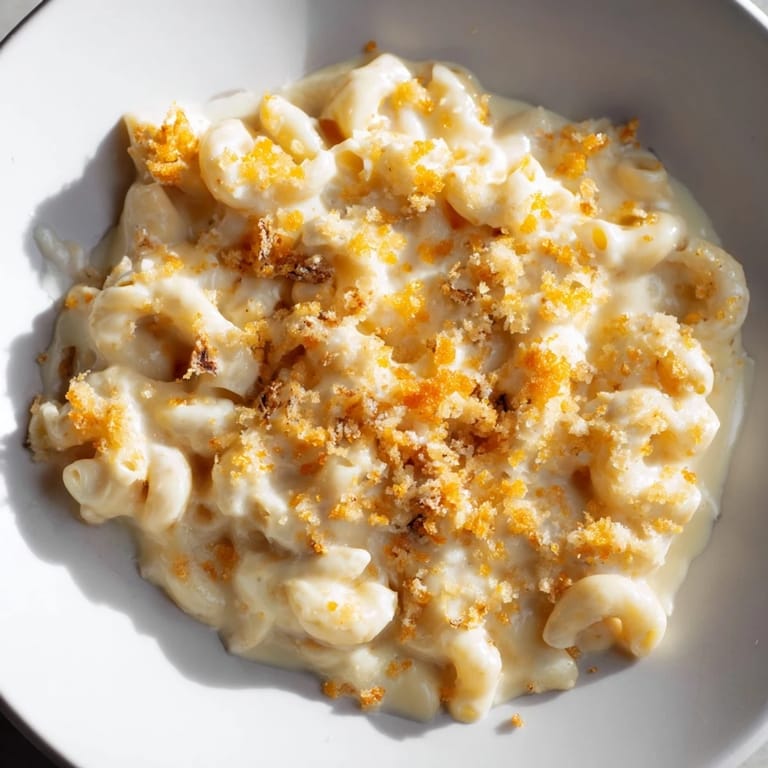
- Panko breadcrumbs, ½ cup (30 g), melted butter, and Parmesan for topping: Only for the baked version; these create that golden, crunchy contrast.
Tired of Takeout? 🥡
Get 10 meals you can make faster than delivery arrives. Seriously.
One email. No spam. Unsubscribe anytime.
Instructions
- Get your mise en place ready:
- Grate all three cheeses into separate piles, warm your milk in a small pot or microwave, and have your pasta water salted and waiting. This is the difference between a smooth process and a frantic scramble.
- Cook the pasta to just-shy-of-done:
- Drop it into boiling salted water and pull it out about a minute or two before the package says it's finished. It'll continue cooking when it hits the sauce, and you want that slight resistance when you bite it.
- Build your roux with patience:
- Melt the butter over medium heat, then whisk in the flour and let it cook for a minute or two until it's lightly golden. Watch carefully—burnt roux tastes bitter and ruins everything.
- Transform the roux into sauce:
- Slowly pour in the warm milk and cream while whisking constantly, moving from the center of the pot outward to catch lumps. It should go from thin to silky in about 4 to 5 minutes of gentle simmering.
- Season and add your cheese:
- With the heat turned low, stir in the mustard, garlic, onion powder, salt, pepper, and a pinch of cayenne. Then add the cheeses one handful at a time, stirring until each batch melts completely before adding the next.
- Combine pasta and sauce gently:
- Fold the drained macaroni into the cheese sauce, using a spatula or wooden spoon to coat every piece without breaking the pasta. This is the moment where it all becomes real.
- Finish your way:
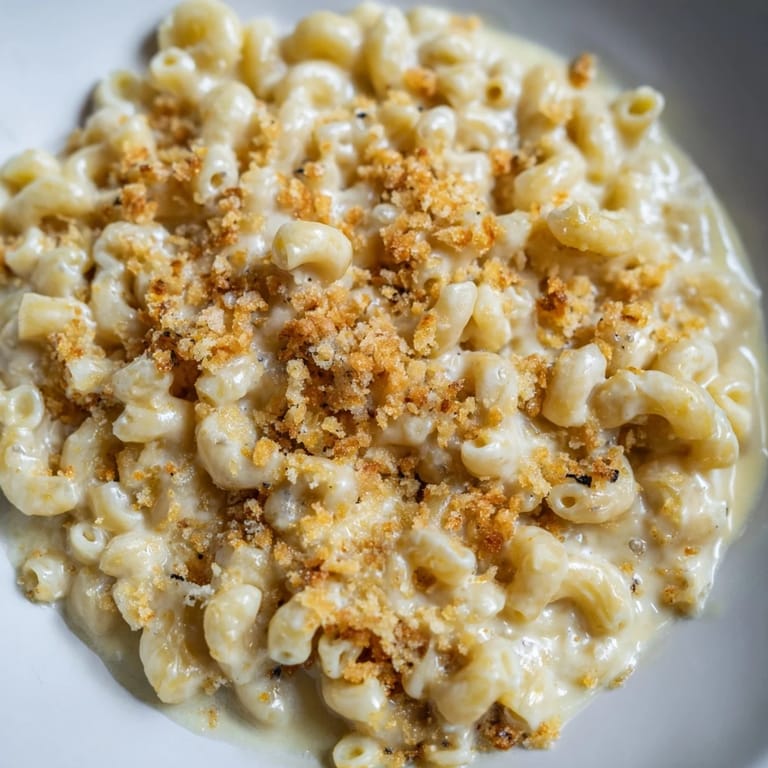
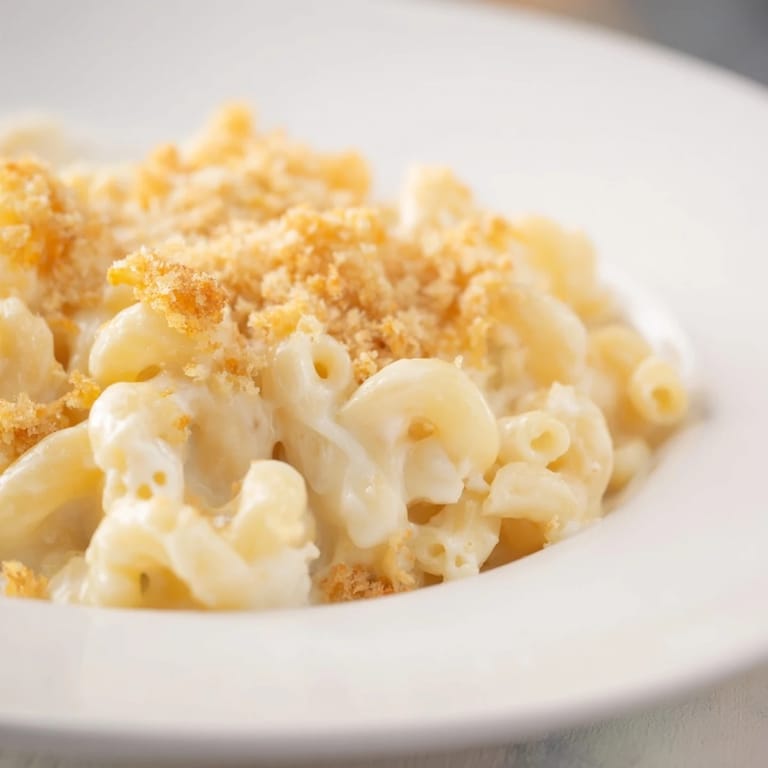
- For stovetop, serve hot right away with a little extra cheese sprinkled on top. For baked, pour into a buttered dish, mix the breadcrumbs with melted butter and Parmesan, scatter across the top, and bake at 200°C (400°F) for 20 to 25 minutes until golden and bubbling.
 Save
Save My neighbor once asked how I made mac and cheese that didn't feel heavy, and I realized it's because I'm not afraid to use cream—it sounds indulgent, but it actually makes the dish feel lighter and more elegant. There's something generous about feeding people something this comforting; it says you cared enough to do it right.
The Cheese Strategy That Changed Everything
Using three cheeses instead of one is the move that transforms this from average to something people ask you to make again. Sharp cheddar is your backbone, Gruyère adds sophistication and helps the sauce stay silky, and Parmesan brings the umami whisper that makes people lean back and say, 'Wow, what is that?' The interplay between them is what makes this special.
Baked or Stovetop: Choosing Your Path
I've made it both ways, and they're genuinely different experiences. Stovetop is for when you want immediate gratification, when you're hungry and that creamy, almost loose sauce is exactly what you need. Baked is for when you have a few extra minutes and want that contrast—the crispy, buttery breadcrumb top giving way to the silky sauce underneath, and somehow that textural moment makes it feel more like dinner and less like comfort food.
Making It Your Own
The beauty of this dish is that it welcomes additions without losing its soul. I've stirred in crispy bacon, sautéed mushrooms, and blanched broccoli without changing the core technique, and every version felt intentional rather than random. The béchamel and cheese mixture are strong enough to support flavor additions without becoming confused or muddy.
- Stir in cooked bacon or sautéed mushrooms for depth without changing the method.
- A pinch of cayenne or smoked paprika adds complexity if you want less sweetness.
- Fresh thyme or a tiny pinch of nutmeg in the béchamel is traditional and transforms the entire mood.
 Save
Save Mac and cheese is proof that the simplest dishes, made with real care and good ingredients, become the ones people remember. Make this for someone you love, and watch what happens.
Recipe FAQs
- → What type of pasta works best in this dish?
Elbow macaroni is traditional for its size and shape, which holds the cheese sauce well, but small shells or cavatappi are good alternatives.
- → How do I achieve a smooth béchamel sauce?
Cook the flour and butter together without browning, then gradually whisk in warm milk and cream, stirring constantly until thickened.
- → Can the cheese blend be adjusted?
Yes, swapping Gruyère for Monterey Jack or mozzarella offers milder flavor while maintaining creaminess.
- → What is the purpose of Dijon mustard in the sauce?
It adds subtle tang and depth, balancing richness and enhancing the overall flavor profile.
- → How can I make the baked version crispy on top?
Sprinkle a mixture of panko breadcrumbs, melted butter, and Parmesan cheese over before baking for a golden, crunchy crust.
- → Is it possible to add vegetables or protein?
Yes, additions like cooked bacon, sautéed mushrooms, or blanched broccoli complement the creamy texture and flavors well.