 Save
Save The first time I assembled a pasta board like this, it was a Saturday when three of my closest friends texted simultaneously asking what I was making for dinner—I had no idea. Instead of panicking, I raided my pantry and found three half-boxes of different pasta shapes, three jarred sauces I'd been meaning to use, and some chicken I'd thawed that morning. Two hours later, everyone was standing around my kitchen island like it was a buffet, mixing marinara penne with pesto farfalle, and suddenly this chaotic moment became the most fun dinner I'd hosted in months.
I still laugh remembering when my friend Marcus accidentally grabbed the pesto bowl thinking it was Alfredo and declared it was the best white sauce he'd ever had—until he took a second bite. That's when I realized this board works because it's forgiving and fun, never pretentious. It became our signature move for casual entertaining after that night.
Ingredients
- Spaghetti (100 g): The thinnest pasta here, perfect for clinging to marinara and soaking up sauce—use it as your base if you're still figuring out what you like.
- Penne (100 g): Those little tubes trap sauce inside them, making every bite feel deliberate and satisfying.
- Farfalle (100 g): The bow ties catch sauce in their creases, and honestly they're the most photogenic pasta on the board.
- Boneless, skinless chicken breasts (2): Pound them to even thickness before grilling so they cook at the same rate and stay juicy inside.
- Olive oil (1 tbsp for chicken, plus extra-virgin for finishing): Regular olive oil can handle the heat of the grill; the good stuff is just for the final drizzle when everything's on the board.
- Italian seasoning (1 tsp): If you don't have this, just use dried oregano and basil—no need to overthink it.
- Salt and pepper: Season the chicken generously before it hits the pan, not after.
- Marinara sauce (1 cup): Use jarred if you're short on time; nobody needs to know, and it's one less thing to worry about.
- Alfredo sauce (1 cup): The creamy anchor that makes everything feel indulgent.
- Pesto sauce (1 cup): This is where the brightness comes in—if you're using store-bought, check that it actually has basil in it.
- Grated Parmesan cheese (½ cup): Freshly grated tastes better than pre-grated, but pre-grated works in a pinch.
- Cherry tomatoes (½ cup, halved): These add color and a little burst of acid that cuts through the richness of the sauces.
- Fresh basil leaves (¼ cup): Tear them by hand instead of chopping—it keeps them from turning dark and bitter.
- Black olives (¼ cup, sliced): A small salty anchor that keeps you reaching for more bites.
Tired of Takeout? 🥡
Get 10 meals you can make faster than delivery arrives. Seriously.
One email. No spam. Unsubscribe anytime.
Instructions
- Get the water going:
- Fill a large pot with salted water—it should taste like the sea—and bring it to a rolling boil. This is your foundation, so don't rush it.
- Cook each pasta separately:
- Add spaghetti first, then penne, then farfalle at their recommended times so they finish together. Drain each one and toss with a light coat of olive oil to keep them from sticking.
- Prep and season the chicken:
- While the pasta cooks, pat your chicken breasts dry—this is the secret to getting them to brown instead of steam. Rub them generously with olive oil, Italian seasoning, salt, and pepper.
- Grill the chicken:
- Heat a grill pan or skillet over medium-high heat until it's really hot, then place the chicken down without moving it. Let it sit for 5–7 minutes until it releases easily from the pan, then flip and cook the other side until the juices run clear when pierced.
- Rest and slice:
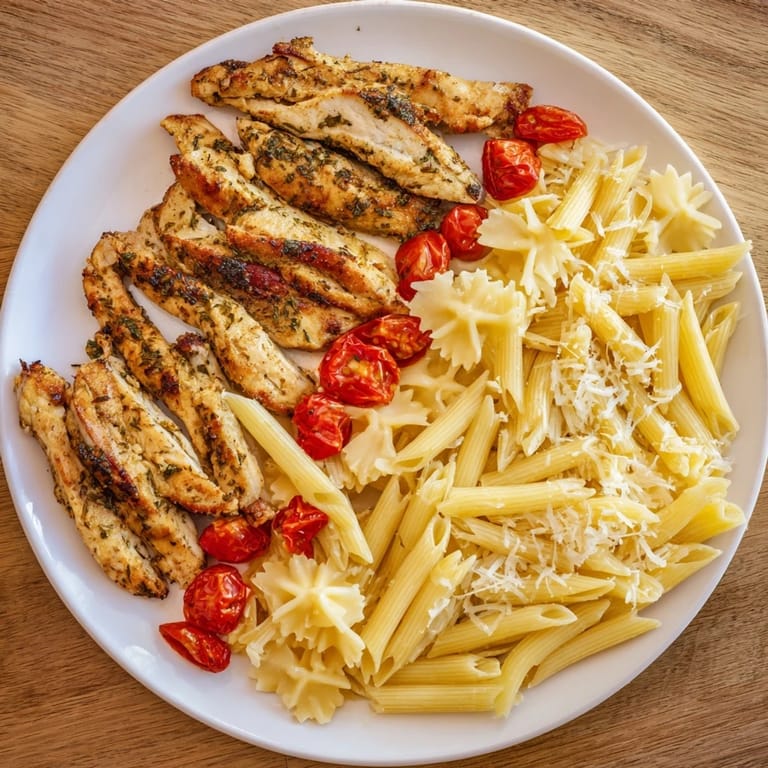
- Let the chicken sit for at least 5 minutes after cooking so the juices redistribute—this keeps it tender. Then slice it into strips that are thick enough to feel substantial but thin enough to drape nicely on the board.
- Warm your sauces gently:
- Pour each sauce into its own small saucepan and warm over low heat, stirring occasionally. You want them warm and pourable, not bubbling.
- Arrange on the board:
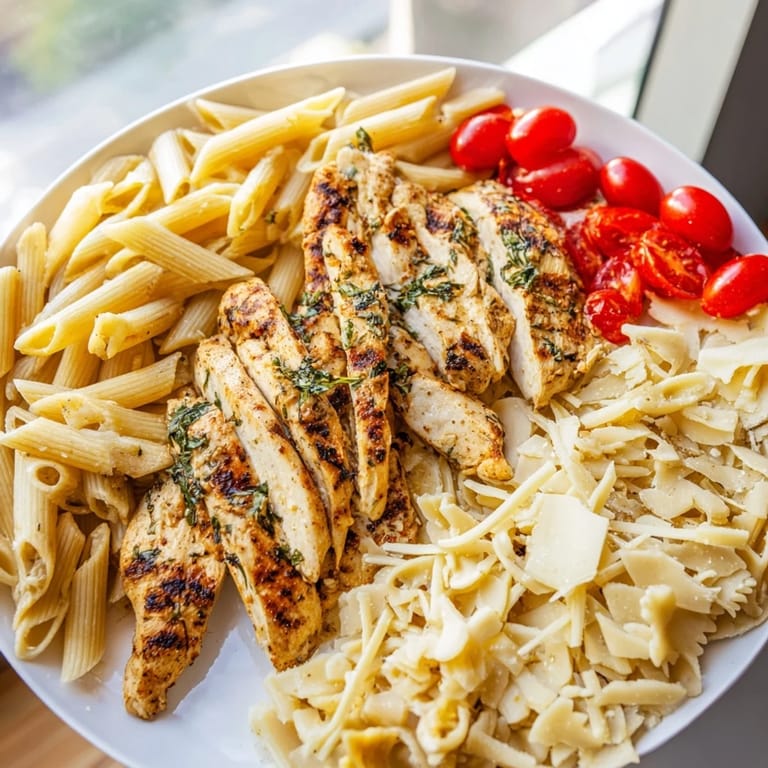
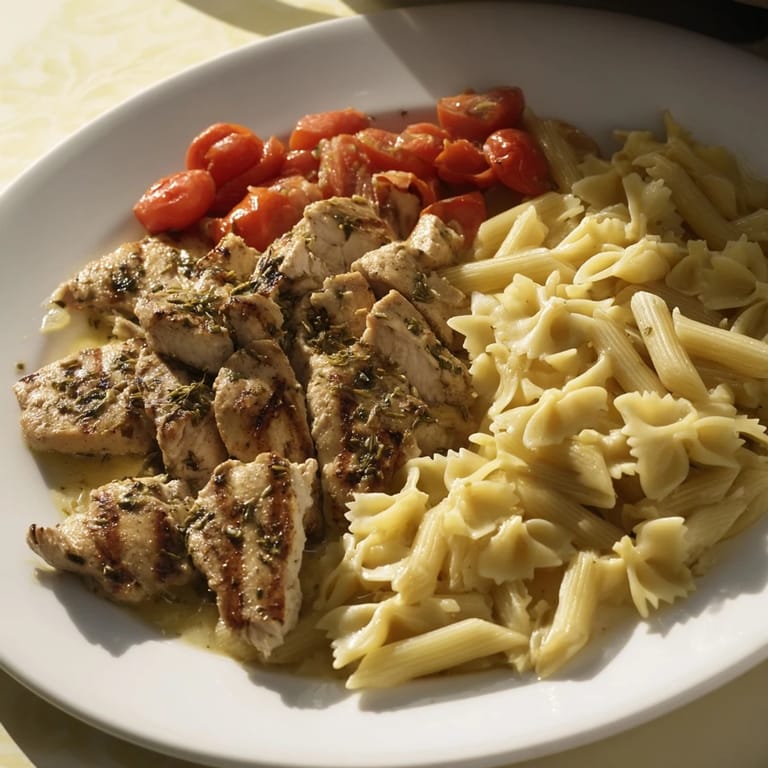
- Start with the three pastas in distinct sections—think of it like a color wheel. Group the chicken strips to one side, then arrange your small bowls of sauce in the spaces between.
- Build out the toppings:
- Add small piles or bowls of Parmesan, cherry tomatoes, basil, and olives around the board. Leave some breathing room so it doesn't feel chaotic.
- Final touch:
- Just before serving, drizzle the extra-virgin olive oil over everything, especially over the pasta. It catches the light and makes everything look even more inviting.
 Save
Save There's something magical about watching people's faces light up when they realize they can have marinara on their penne and pesto on their spaghetti in the same bite. This board stopped feeling like just dinner and started feeling like permission to play with your food.
The Beauty of a Shared Board
Cooking for groups used to stress me out because someone always wanted something different. With this board, that becomes the whole point. It's not a compromise; it's the menu. You're giving your guests agency, which somehow makes them enjoy the meal more because they built it themselves.
Timing and Prep Strategy
You can actually do most of this ahead if you need to. Cook the pastas and chicken an hour or two before guests arrive, keep them at room temperature, and just warm the sauces when everyone's actually at the table. The board comes together in about five minutes at that point, and you get to spend your evening actually talking to people instead of hovering over the stove.
Making It Your Own
This is where the recipe becomes yours. Add roasted vegetables, swap in sun-dried tomatoes, use different cheeses, or drizzle truffle oil if you're feeling fancy. One friend added crispy pancetta strips last time, and everyone pretended I'd invented the dish that way. Here are some ways to make it feel fresh every time you make it:
- Roast some vegetables like zucchini or eggplant and add them as a fourth option alongside the pastas.
- Swap one of the sauces for something unexpected—maybe a lemon butter sauce or a spicy arrabbiata.
- Finish with crispy breadcrumbs or toasted pine nuts if you want texture and a little crunch.
 Save
Save This meal isn't just about feeding people; it's about creating a moment where everyone gets to customize their own experience. That's when dinner becomes something worth remembering.
Recipe FAQs
- → How should the different pastas be cooked?
Cook spaghetti, penne, and farfalle separately in salted boiling water until al dente, then drain and toss with olive oil to prevent sticking.
- → What seasoning is used for the grilled chicken?
Chicken breasts are rubbed with olive oil, Italian seasoning, salt, and pepper before grilling to enhance flavor.
- → Can the sauces be warmed ahead of time?
Yes, marinara, Alfredo, and pesto sauces can be gently warmed in small saucepans over low heat before serving.
- → What toppings complement the board?
Grated Parmesan, cherry tomatoes, fresh basil leaves, and sliced black olives add texture and freshness to the dish.
- → Is there a vegetarian alternative to the chicken strips?
For a vegetarian option, omit chicken or substitute with grilled vegetables to maintain variety and flavor.
- → What tools are recommended for preparing this platter?
You'll need a large pot, grill pan or skillet, sharp knife, cutting board, serving board or platter, and small bowls for sauces.