 Save
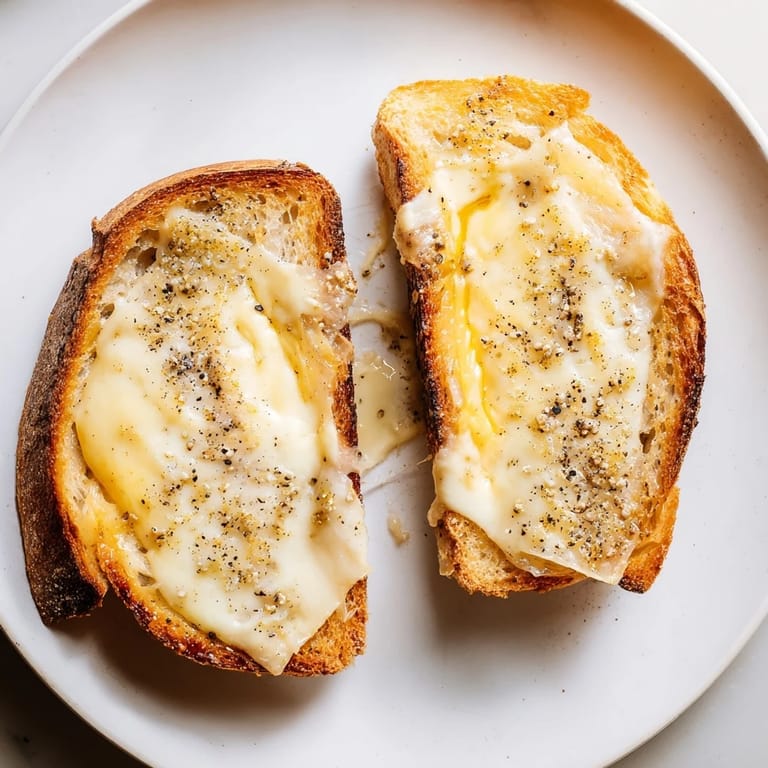
Save There's something about the smell of butter hitting a hot pan that makes you stop and pay attention. I learned that lesson the hard way one lazy Sunday when I decided to elevate a grilled cheese beyond the usual nostalgia—I drizzled that first golden sandwich with truffle oil and suddenly understood why people get reverent about simple food. It wasn't fancy pretension; it was just butter, cheese, and this earthy whisper of truffle that made the whole thing feel like a small celebration between slices of bread.
I made this for a friend who swore they'd outgrown grilled cheese, that it was kid food, nostalgic clutter. They took one bite, closed their eyes, and I watched them remember why simple food matters. We sat at the kitchen counter in comfortable silence, passing napkins back and forth, and I realized this sandwich had somehow become more interesting than the conversation we were supposed to be having.
Ingredients
- Sourdough or country-style bread: Four slices of something with actual structure and character—the tanginess of sourdough plays beautifully against the richness of everything else.
- Sharp cheddar cheese: About 5 ounces, sliced or grated; the sharpness is non-negotiable here because it cuts through the butter and truffle oil instead of disappearing.
- Unsalted butter: Two tablespoons, softened so it spreads evenly without tearing your bread.
- Truffle oil: Two teaspoons total (one per sandwich), either white or black depending on your mood and what you find at the store.
- Freshly ground black pepper: Just a pinch, optional but it adds a quiet sophistication that makes the whole thing feel intentional.
Tired of Takeout? 🥡
Get 10 meals you can make faster than delivery arrives. Seriously.
One email. No spam. Unsubscribe anytime.
Instructions
- Heat your pan with intention:
- Set a large skillet or griddle over medium heat and give it a minute to warm evenly. You're aiming for that sweet spot where butter sizzles the moment it touches down without browning immediately.
- Butter every surface:
- Soften your butter first—cold butter tears bread and resists spreading. Coat one side of each slice so you've got a thin, even layer ready to make contact with the pan.
- Start the sandwich assembly:
- Place two buttered slices into the hot pan, buttered side down, and listen for that gentle sizzle. Layer your cheese directly onto the bread while it toasts, and give it that optional crack of pepper if you're feeling it.
- Close it up:
- Top each sandwich with a buttered slice, buttered side up, pressing it down gently so everything stays friends.
- Cook with patience and attention:
- Give it 3 to 4 minutes per side, using a spatula to press very gently so the cheese melds with the bread. You're looking for deep golden brown, not burnt—if the outside is browning too fast, turn your heat down slightly.
- Finish with restraint:
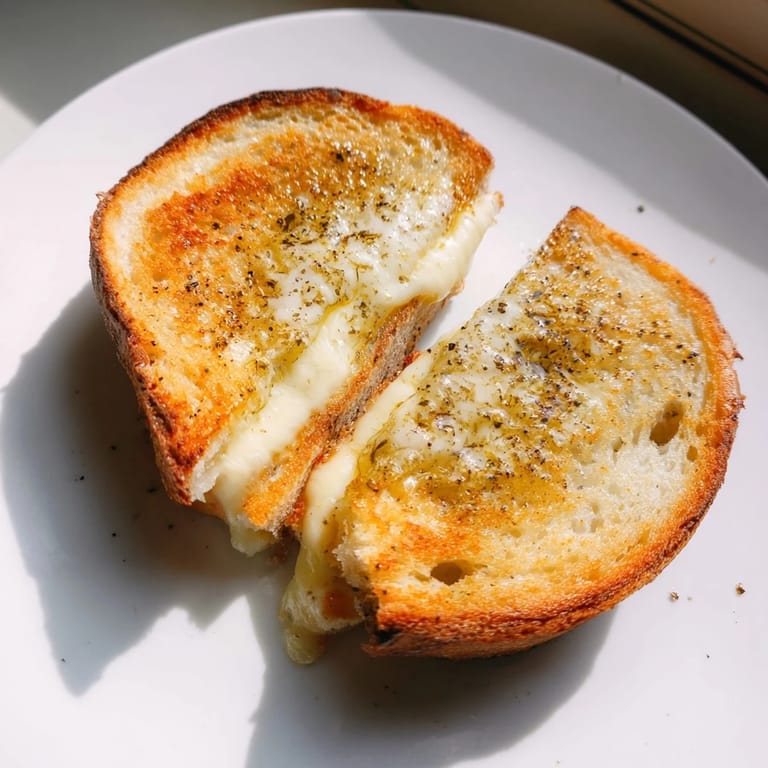
- Pull the sandwiches onto a plate, let them rest for just a minute (this keeps them from falling apart), then drizzle each one with a teaspoon of truffle oil. The warmth will carry that aroma right up to you.
- Serve immediately:
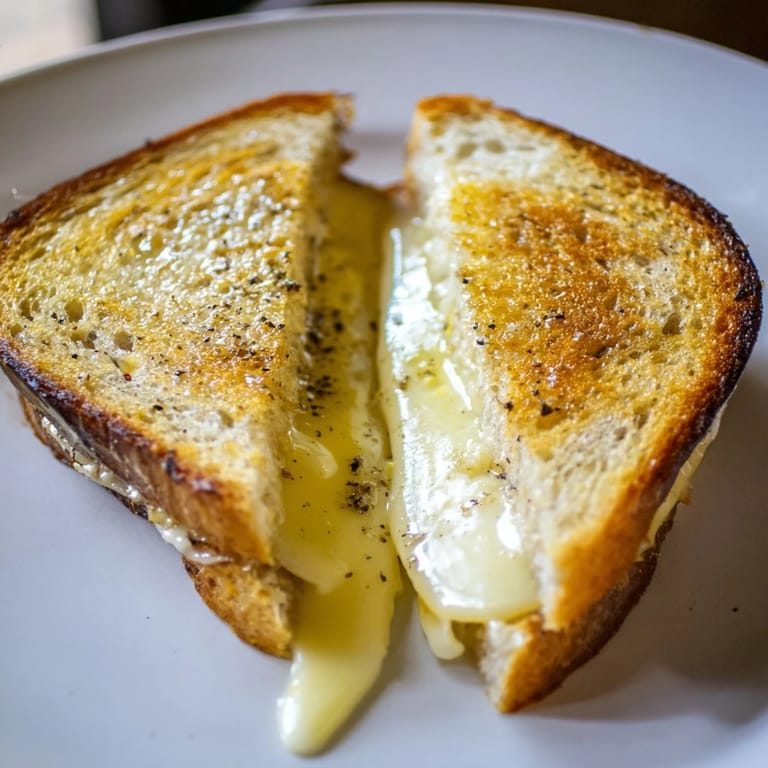
- Slice on the diagonal if you want to feel fancy, or cut straight down the middle and eat it hot.
 Save
Save My mom called while I was eating this—one of those random Tuesday check-ins—and I heard myself describing it in a way that made her laugh because I was taking a sandwich very seriously. But that's what this is; it's permission to care about small things. It's butter and cheese and bread elevated not by complexity but by choosing better versions of each one.
The Cheese Matters More Than You Think
Sharp cheddar isn't just a flavor choice; it's the foundation that everything else builds on. When you use the mild stuff, the truffle oil just floats on top like an afterthought, but sharp cheddar has enough personality to stand up and say hello back to those earthy truffle notes. I've tried this with softer cheeses out of curiosity and regretted it every time—there's a reason cheddar is classic.
Why Softened Butter Changes Everything
Cold butter straight from the refrigerator will tear your bread to pieces when you try to spread it, and you'll end up frustrated before you even get to the pan. Softened butter—left out for maybe 10 minutes while your skillet heats—spreads like you actually planned this, and that small act of preparation shifts the whole experience. It's the difference between rushing and cooking.
Beyond the Basic Recipe
Once you've made this the straightforward way, you start thinking about what else it could be. A slice of mozzarella alongside the cheddar adds a creamy texture that plays against the sharpness; Gruyère brings a nuttiness that echoes the truffle in a different key. I served it once with a simple tomato soup and watched people's faces as they understood why this combination is timeless.
- A thin slice of crispy bacon tucked between the cheese and bread turns this from vegetarian into something carnivorous and undeniable.
- Fresh arugula or a smear of fig jam added right before serving brings brightness or sweetness depending on what you're craving.
- White truffle oil smells more delicate; black truffle oil is earthier and bolder—taste them both if you can and pick your favorite.
 Save
Save This sandwich taught me that luxury doesn't always mean complicated. Sometimes it just means paying attention to things you already love and choosing slightly better versions of them.
Recipe FAQs
- → What bread works best?
Sourdough or country-style bread provides a sturdy yet tender base that crisps well when grilled.
- → Can I use different cheeses?
Yes, adding mozzarella or Gruyère alongside sharp cheddar enhances creaminess and flavor complexity.
- → How to avoid burning the bread?
Cook over medium heat and press gently; adjust heat if browning occurs too quickly to ensure even melting.
- → What does truffle oil add?
It imparts an earthy, fragrant richness that transforms the sandwich into a luxurious treat.
- → Is it possible to make it gluten-free?
Yes, substitute with gluten-free bread and verify truffle oil ingredients to maintain dietary requirements.